
Last updated November 15, 2026
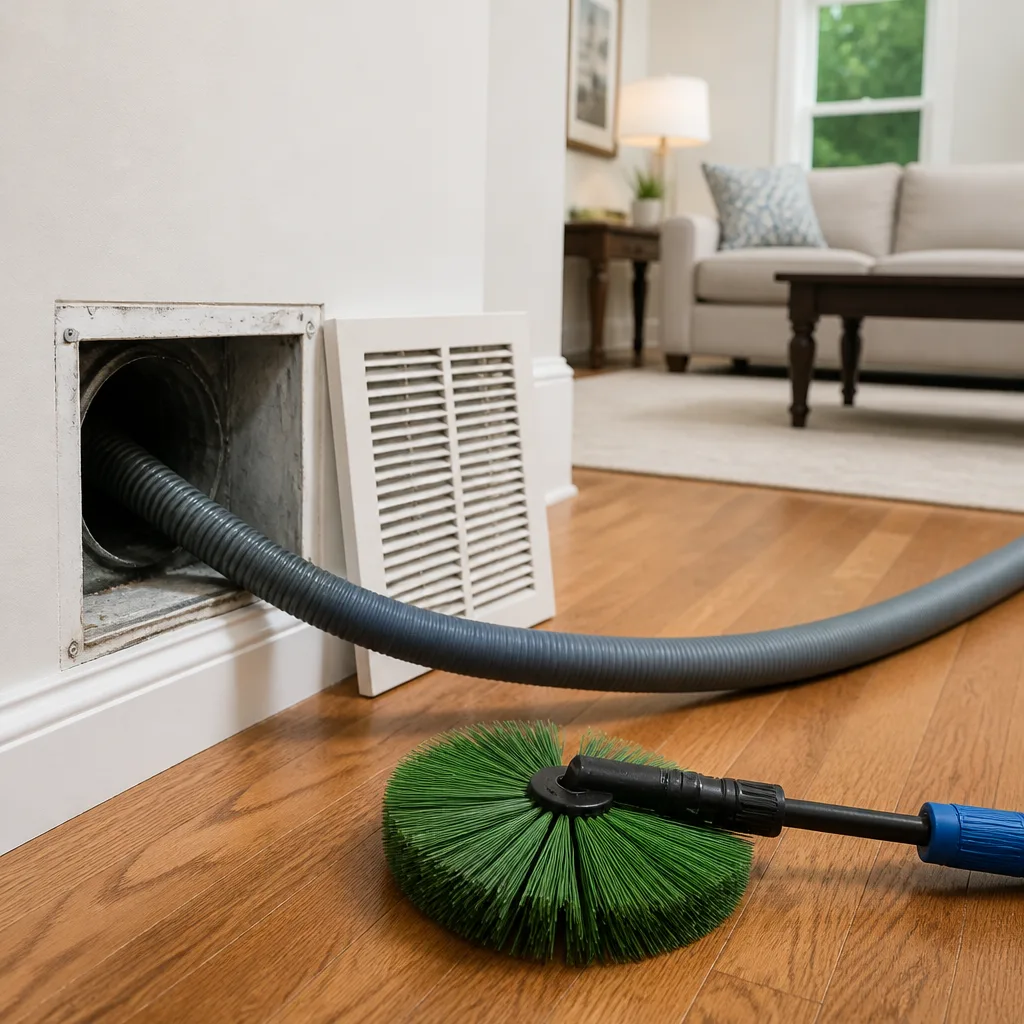 Whole-home duct cleaning
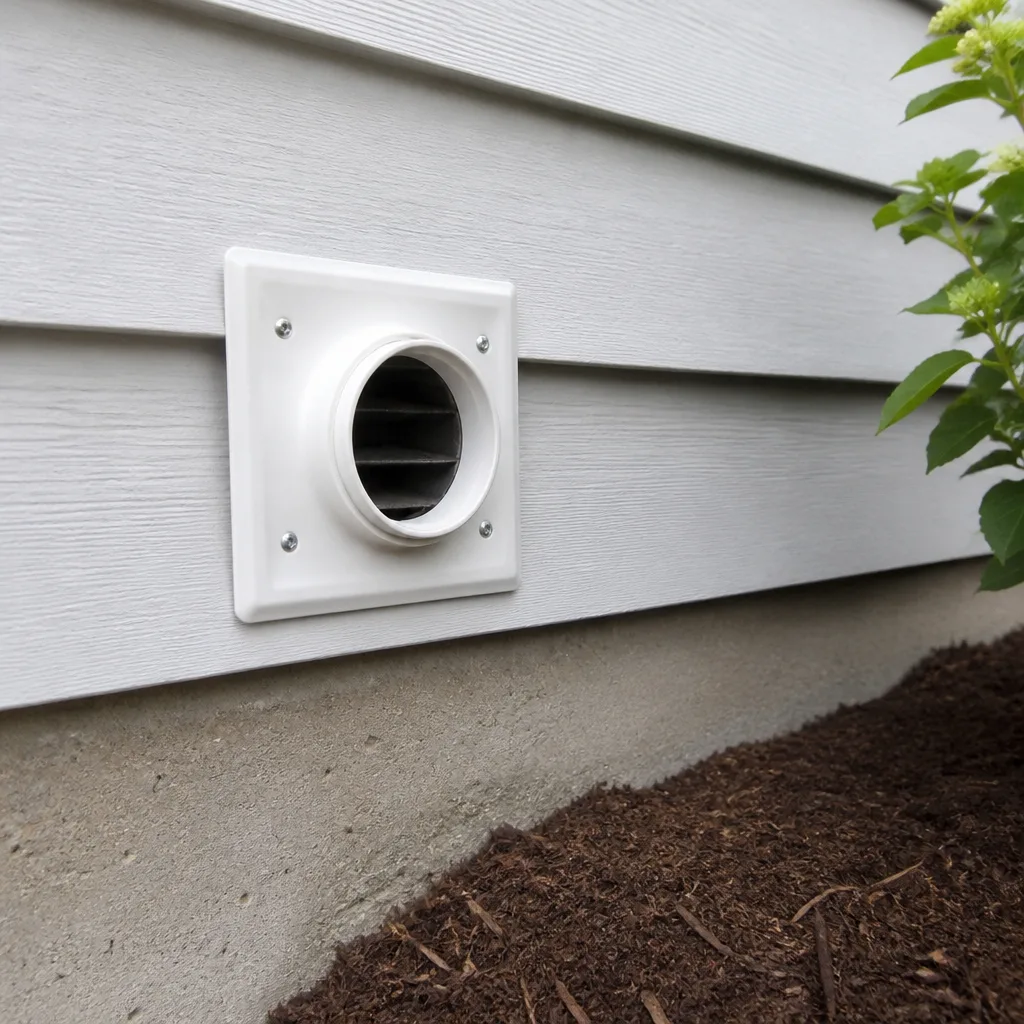 Dryer vent cleaning
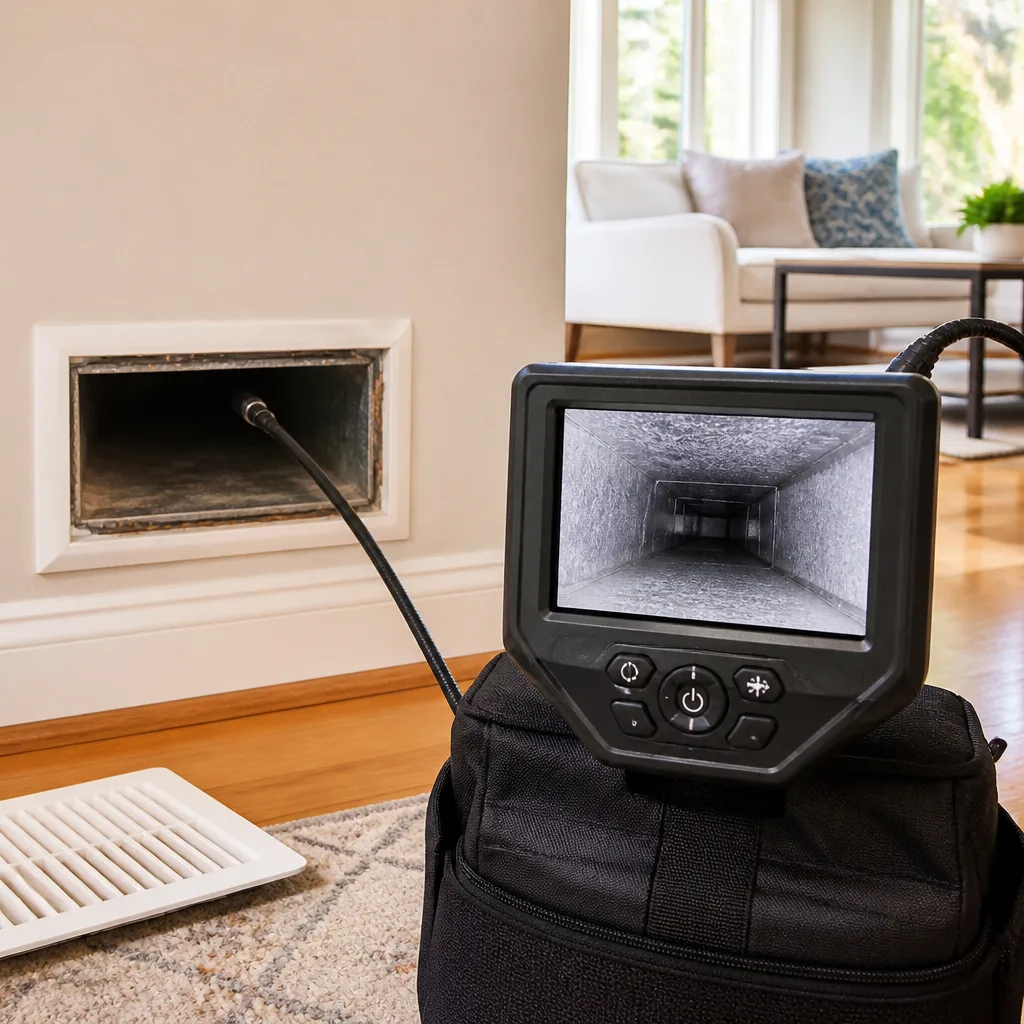 Camera inspection
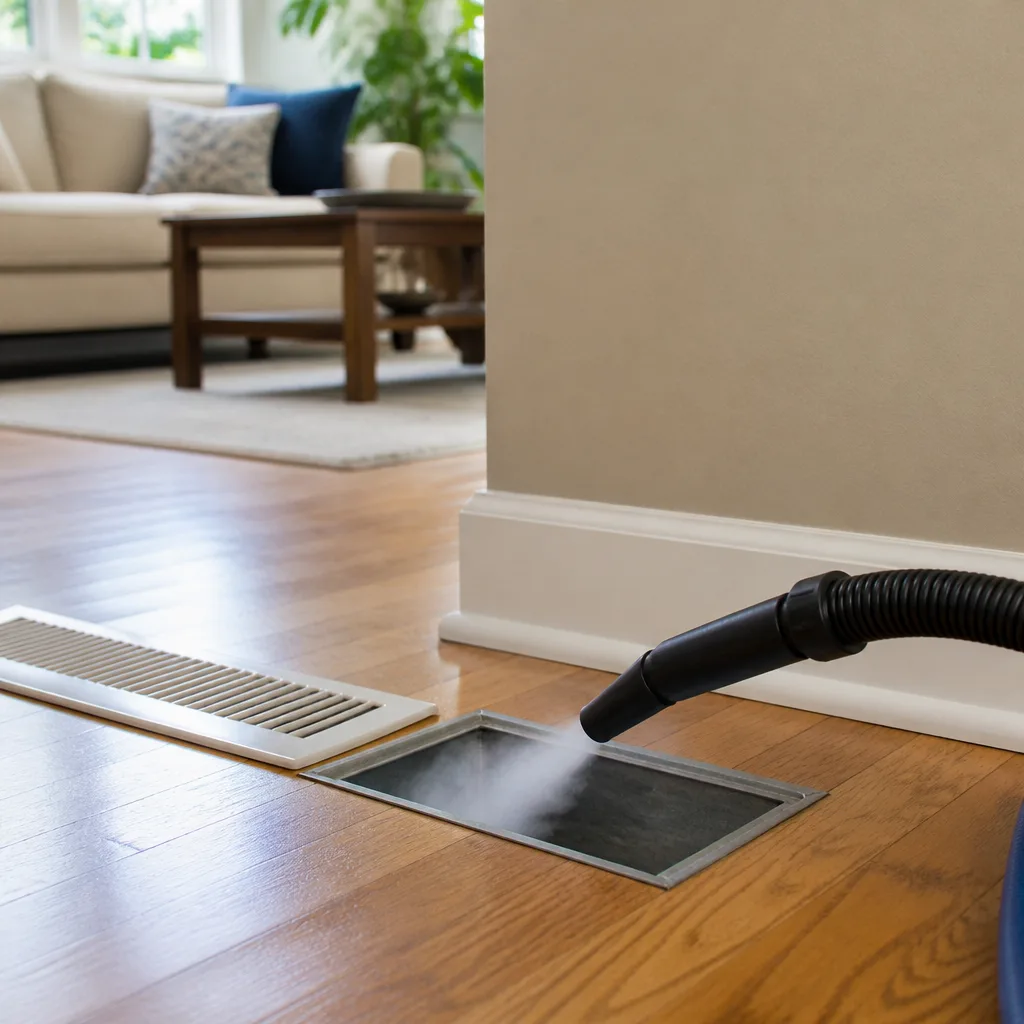 Sanitizing & deodorizing
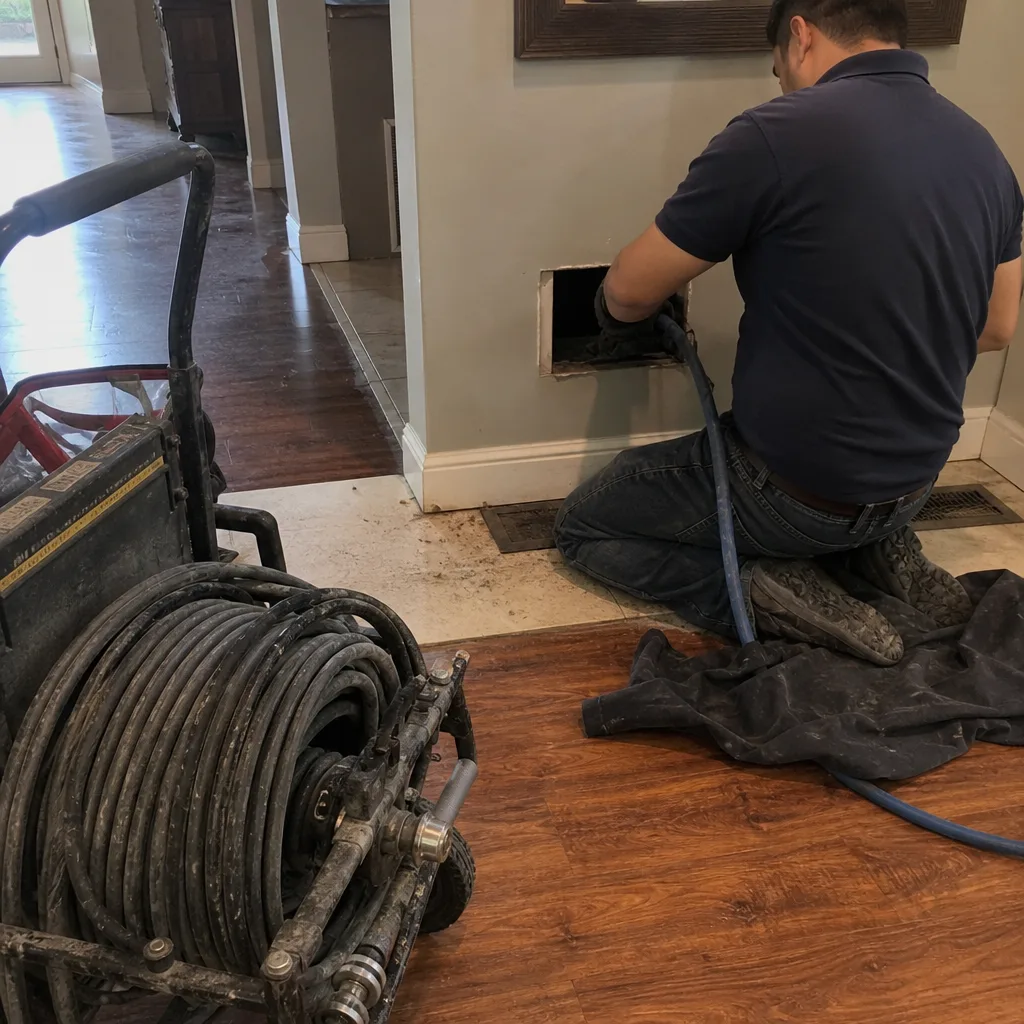
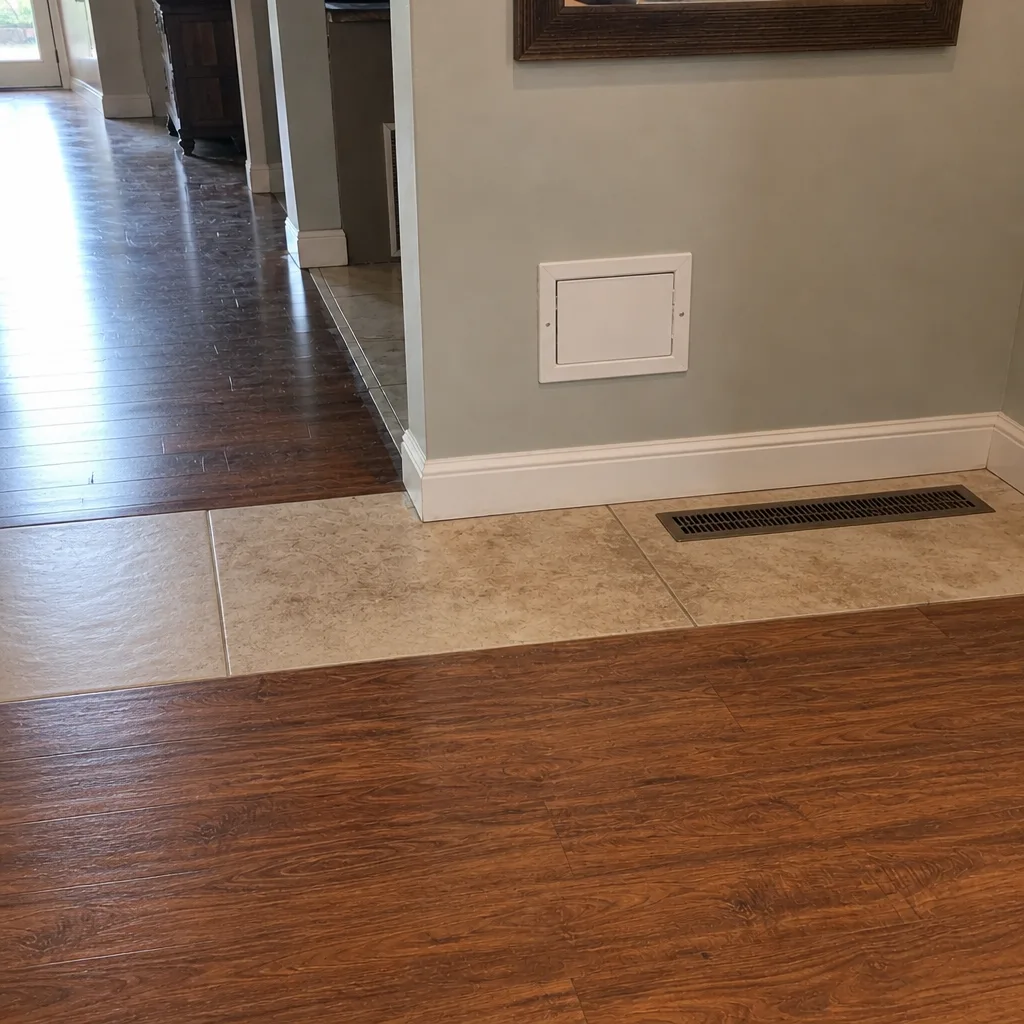
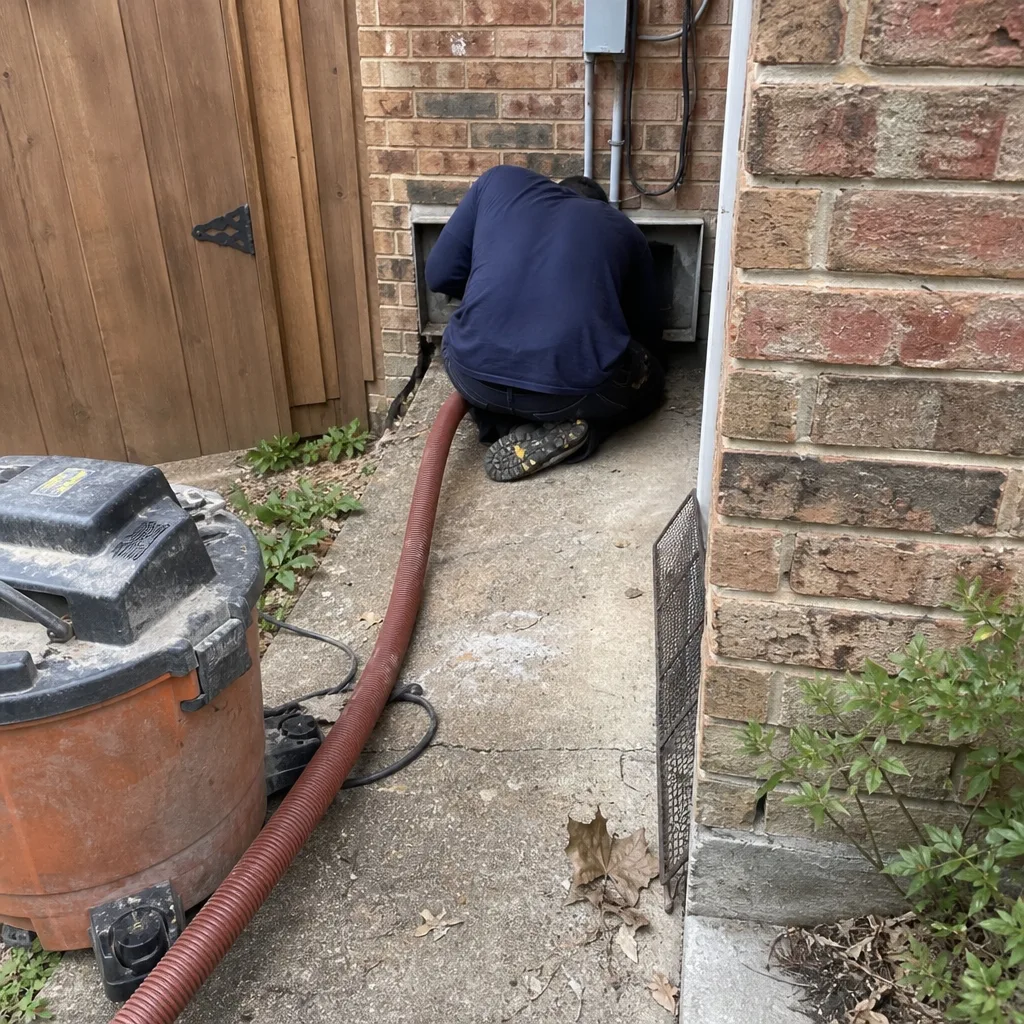
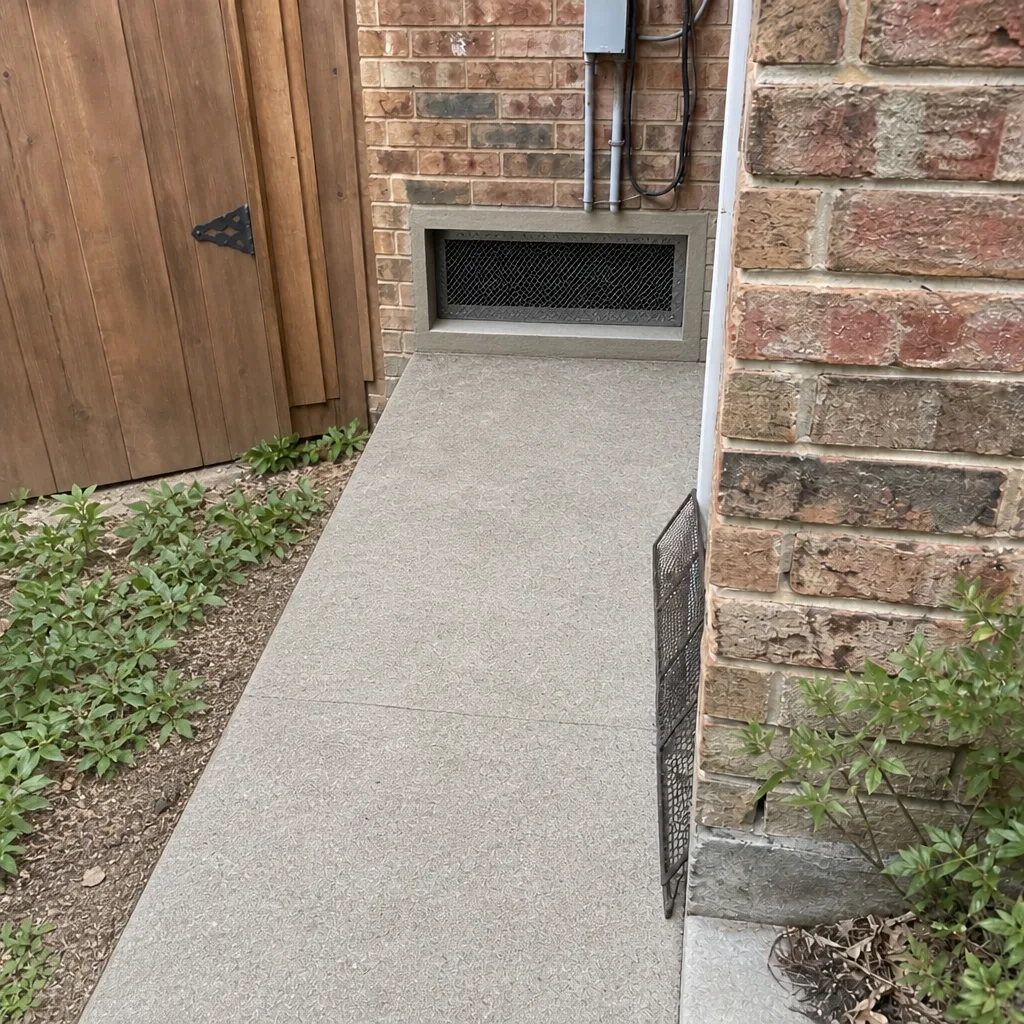
Whole-system duct and dryer vent check with before-and-after photos - you see exactly what came out of your vents
That "$99 whole-house special" is a bait ad - the real number appears once they are in your hallway, or the "clean" is a shop-vac at the register. We photograph the inside of your ducts before and after instead.
Air Duct Cleaning Warning Signs: An Arlington Homeowner’s Reference Guide
If you’re waiting to smell mold before you call a duct cleaning company, you’ve already let the problem mature for months. The signals that a duct system needs attention almost never arrive as drama. They show up as patterns. Furniture that re-dusts three days after you wipe it. A faint gray ring around a supply register that keeps coming back. One bedroom in an Arlington house that never quite reaches the set temperature no matter what the thermostat says. This guide translates those quiet patterns into plain language so you know what you’re actually looking at, and what to do next.
Quick Answer
The most reliable early warning signs of a duct system that needs service are a fast-returning dust layer, a visible debris ring or discoloration around supply registers, uneven airflow between rooms, filters that clog faster than they used to, and odors that appear only at startup. Together these point to internal debris, a disconnected or blocked duct run, or a filter that is bypassing instead of filtering. Any one of them is worth a look. Two or more on the same system is a strong signal to get the ducts inspected in Arlington before the problem spreads.
Styles & brands we work with
- Whole-home duct cleaning
- Dryer vent cleaning
- Camera inspection
- Sanitizing & deodorizing
Table of Contents
- What the Color of the Debris Around Your Registers Is Telling You
- Why One Side of the House Never Gets the Airflow It Should
- Your Filter Loading Rate as a Warning Sign
- Dust Rebounding Weeks After a Cleaning
- Odor Patterns That Are Actually Diagnostic
- Moisture, Condensation, and What Arlington’s Long Warm Season Does to Air Systems
- When the Problem Is Structural, Not Just Dirt
- What a Professional Inspects That You Can’t See
What the Color of the Debris Around Your Registers Is Telling You
The ring of dust and debris that builds up around a supply register is a sample of what’s traveling through your ducts. Gray, it’s general household particulate: skin cells, carpet fiber, outdoor dust that slips past filters. The color matters because it narrows down the cause, and the cause decides the fix.
Gray Dust Rings
Common and usually the least alarming. Gray buildup means normal particulate accumulating faster than the system can move it out, and the usual culprit is a filter that’s overdue or an older filter that isn’t capturing fine particles. Swap the filter, watch the ring, and if it returns inside a few weeks, the system is recirculating more than it should.
Black Streaking
Black streaks or soot-like smudging point to one of two things: filter bypass, where air slips around the filter frame instead of through the media, or combustion product infiltration from a source near the return side. Black buildup is worth a straight conversation with a professional because it can signal a gap at the filter housing or a return duct leak pulling air from a space it shouldn’t.
Orange or Rust-Tinted Buildup
In older Arlington homes, an orange tint or a rusty residue near vents can indicate an oxidized duct liner breaking down from the inside. Duct board and internal insulation that has aged out will shed and corrode, and that material then travels. This is not common surface dirt, and a standard cleaning won’t correct it. It requires inspection, and often a repair to the duct section itself.
In our experience, homeowners check the color once and never again. It’s worth a quick photo of the register and the surrounding ceiling or floor material, taken the same day each month, so you’re comparing like with like instead of guessing.
Why One Side of the House Never Gets the Airflow It Should
If the master bedroom roasts every summer while the family room cools, the instinct is to blame the air conditioner’s capacity. Usually it isn’t the AC. Uneven airflow across the same system, with one half of the house consistently underperforming, is one of the clearest indicators of a problem inside the duct run itself: a disconnected section, a collapsed flex line, a blockage, or a damper stuck closed.
A properly sized system in Arlington, with mild winters and long stretches of heat, still has to move air evenly to every room it was designed for. When it doesn’t, the air is going somewhere, just not where you want it.
A Simple Room-by-Room Check
- On a mild day, set the system to fan only and stand at each supply register, holding a tissue near the grille.
- Note which registers move the tissue strongly, which move it weakly, and which barely move it at all.
- Map the results on a quick sketch of your floor plan and look for a pattern: is it one side of the house, one floor, or one branch off the trunk?
- If the weak registers share a run, that run is the likely suspect and a technician can inspect it directly with a camera.
Symmetry against asymmetry is the key. Every room losing pressure a little points toward filter or blower issues. One zone losing pressure while the rest is fine points toward a duct problem. If it’s the latter, air duct repair is often the real answer, not another cleaning round. We don’t just clean, we repair, which matters when the fix isn’t a brush but a new section of duct.
Your Filter Loading Rate as a Warning Sign
A filter that used to last three months and now loads up in six weeks is telling you the dust load inside your system has increased. The filter is doing its job, but it’s also the first line of defense against a duct interior that’s holding more debris than it can clear on its own. When internal debris reaches a certain point, air bypasses the filter housing and recirculates what’s already been captured, so you’re feeding the loop from both ends.
What Acceleration Looks Like in Practice
- Steady interval: filter changes at the same cadence year after year. Normal, assuming the filter is the right MERV rating for your equipment.
- Moderate acceleration: the same filter is visibly gray at 60 percent of its previous life. Worth checking the return side for bypass and inspecting the ducts.
- Rapid acceleration: the filter is fully loaded in a fraction of its former interval. Something is releasing debris into the air stream, and the ducts are the first place to look.
Filter brand matters less than fit. A properly fitted Honeywell or Aprilaire filter in a well-sealed housing will outperform a premium filter that’s sitting loose in a sloppy frame. If you’ve upgraded the filter and the loading hasn’t slowed, the housing seal could be the problem, not the media.
Short version: if you’re buying filters twice as often, ask why. Your filter is the cheapest test equipment you own.
Dust Rebounding Weeks After a Cleaning
Dust coming back within two to four weeks of a cleaning is one of the most useful warning signs there is, but it’s a sign about the previous cleaning, not your ducts. A rebound that fast usually means the prior job was surface-level: the visible registers and return grilles got wiped, but the trunk lines, the branch runs, and the interior surfaces that hold debris were never touched.
Why Some Cleanings Don’t Last
Professional-grade duct cleaning isn’t a vacuum pass at the register. It’s a process that relies on the right equipment. Rotary-brush systems like the Rotobrush work the interior surfaces of the duct in a way a shop vacuum physically cannot, and a high-powered vacuum rig like a Nikro machine, or equipment from Abatement Technologies for heavier contamination scenarios, creates the negative pressure needed to move the debris out of the system instead of stirring it around.
- A machine with enough suction to hold the whole duct system under negative pressure while the cleaning happens.
- A rotary brush or whip tool that actually contacts and loosens debris from the duct walls, not just the visible grille.
- A technician who runs the trunk and branch lines as separate passes, then verifies with before-and-after photos of the interior.
If a previous cleaning didn’t include photos of what the inside of the ducts looked like before and after, you don’t actually know what happened. Ask for photos. Clean ducts start with the right tools, and the photos are how you confirm the tools were used.
Odor Patterns That Are Actually Diagnostic
An odor is not a symptom on its own. What matters is when it appears. Odor patterns vary by cause, and reading the timing narrows the diagnosis faster than any single sniff.
Musty Smell at First Startup
A musty, damp-basement smell that shows up in the first minute or two when the system kicks on, then fades, usually means moisture has taken hold somewhere in the air-handling path. Sometimes it’s the evaporator coil and the condensate area, sometimes it’s insulation inside the duct. Arlington’s climate means the cooling system runs through a long warm season, so a small moisture issue has time to become a bigger one. This is the point to get the system inspected rather than deodorized.
Burning or Hot-Dust Smell
A burning or scalded-dust smell at startup can mean debris has settled onto heat exchanger surfaces and is cooking off as the system heats. This is a safety-adjacent signal. It should never be treated as a maintenance nuisance. Turn the system off and get it looked at by a professional who can inspect the heat exchanger and the surrounding duct, and if you ever smell gas, stop and call your gas utility.
Chemical or Plastic Odor
A chemical, adhesive, or plastic smell in an older home can point to duct board liner that’s degrading or air that’s passing over deteriorating material. Those liners were built with a working life, and when they age out they off-gas and shed. It’s a repair issue, and in most cases the affected section of duct needs to be replaced, not cleaned.
Moisture, Condensation, and What Arlington’s Long Warm Season Does to Air Systems
Arlington summers run long and humid, and a cooling system that’s cycling heavily for months pulls a lot of moisture out of the air. That moisture has to go somewhere. It drains from the coil, but it also humidifies the space around the coil, the plenum, and any ductwork that runs through unconditioned attic space. Over a season, that cycle can cause insulated duct to hold moisture, and moisture is where musty odors and degraded insulation come from.
Signs Moisture Is Working Inside Your Ducts
- Water staining or soft spots on the exterior of insulated duct runs in the attic.
- A musty smell that’s strongest on the first hot day after a cool spell.
- Condensation on supply registers in a room that stays cooler than the rest of the house.
- Visible sagging on flex duct that used to run taut.
Mild winters in this part of Texas mean the heating side gets a fraction of the runtime the cooling side does, so moisture problems tend to accumulate during the cooling season and don’t dry out the way they might in a colder climate. In our experience, this is why odor complaints in Arlington cluster in the warm months and why a moisture question deserves a real inspection. If the condensation is coming from the duct itself, that’s a repair job. If it’s coming from the coil, it may belong to an HVAC technician, and the two trades don’t overlap.
When the Problem Is Structural, Not Just Dirt
Not every warning sign is a dirt problem. Gaps at joints, sealed-off branches, torn flex duct, and disconnected sections cause the same symptoms as a dirty system, and they cause them to recur. Cleaning a duct that’s leaking means the debris comes back, because the opening that let the debris in is still there. This is the gap that most of the industry can’t close, and it’s why we offer air duct repair alongside cleaning rather than handing you off to a general contractor.
Structural Issues That Look Like Cleaning Problems
- Torn or disconnected flex duct: often in the attic, often after a remodel or pest activity, delivers conditioned air into the attic instead of the room.
- Unsealed joints in rigid trunk: allow air to escape and dust to enter at every loose seam.
- Collapsed runs: reduce airflow to one zone without changing the noise level enough for a homeowner to notice.
- Filter bypass at the housing: the single most common source of black register streaking, and always a repair job rather than a cleaning one.
If the cost of a second cleaning is starting to feel like an unwanted subscription, that’s the moment to ask whether the duct system itself is failing. A proper inspection answers that question before you spend another dollar on cleaning. Our technicians understand the systems from the air handler through the diffusers, including the equipment that runs them, which matters when the diagnosis cuts across multiple Honeywell or Aprilaire components rather than sitting neatly in one duct run.
What a Professional Inspects That You Can’t See
Every sign in this guide is an exterior signal. The interior of a duct system is where the actual diagnosis happens, and no homeowner can inspect it without proper equipment. A camera inspection is the difference between “the ducts look dirty” and “this branch line is disconnected at a joint two feet from the register.”
What the Inspection Should Cover
- Interior photos of the trunk and each branch run, before any cleaning begins.
- A pressure or airflow check at each register to confirm the system is balanced.
- The filter housing seal, checked for bypass.
- The evaporator coil area and the plenum, inspected for moisture and debris.
- Any attic or unconditioned-space duct runs, checked for tears, sagging, and disconnection.
The right equipment on the job is different from the right equipment in a truck bed. A Nikro or Rotobrush setup gives a technician a level of source-removal capability that consumer tools cannot provide, and equipment from Abatement Technologies is what separates a routine cleaning from a job that involves heavier contamination. Ask what the company uses, and if the answer is “a big vacuum,” that’s a different service than what you may be comparing it to.
Common Mistakes to Avoid
- Cleaning because the calendar says so. Duct cleaning should be driven by signs and a diagnosis, not by an annual reminder from a company that needs the work. A clean system with no warning signs doesn’t need another round.
- Accepting a quote on the phone without a look. A range is fine for planning, but the price that matters is set per job by a written estimate after someone has seen the system. That’s the one you’re protected by.
- Choosing on coupon price alone. The number that gets the technician to your door is not the number you pay. Duct cleaning has a reputation for a bump when the technician arrives because the coupon figure was never the real price. Whole-system pricing, agreed before work starts, avoids the whole trap.
- Wiping registers instead of reading them. As covered above, the color of the debris is a diagnosis. Cleaning the evidence before you’ve noted it throws away the cheapest clue you’ll ever get.
- Assuming a cleaning will fix a repair problem. A disconnected or collapsed duct run will keep its symptoms no matter how thoroughly it’s cleaned. If the same room has been underperforming for two cleanings, the problem is structural.
- Skipping photos. Ask for before-and-after shots of the interior. Without them, no one, including you, can confirm the work was actually done.
- Forgetting the dryer vent. It’s a separate duct with its own risk profile. Lint buildup in a dryer vent is an industry-recognized fire risk, and it’s worth treating dryer vent cleaning as a safety service on its own schedule, not a checkbox on a duct cleaning invoice.
See the difference
 Before
 After
 Before
 After
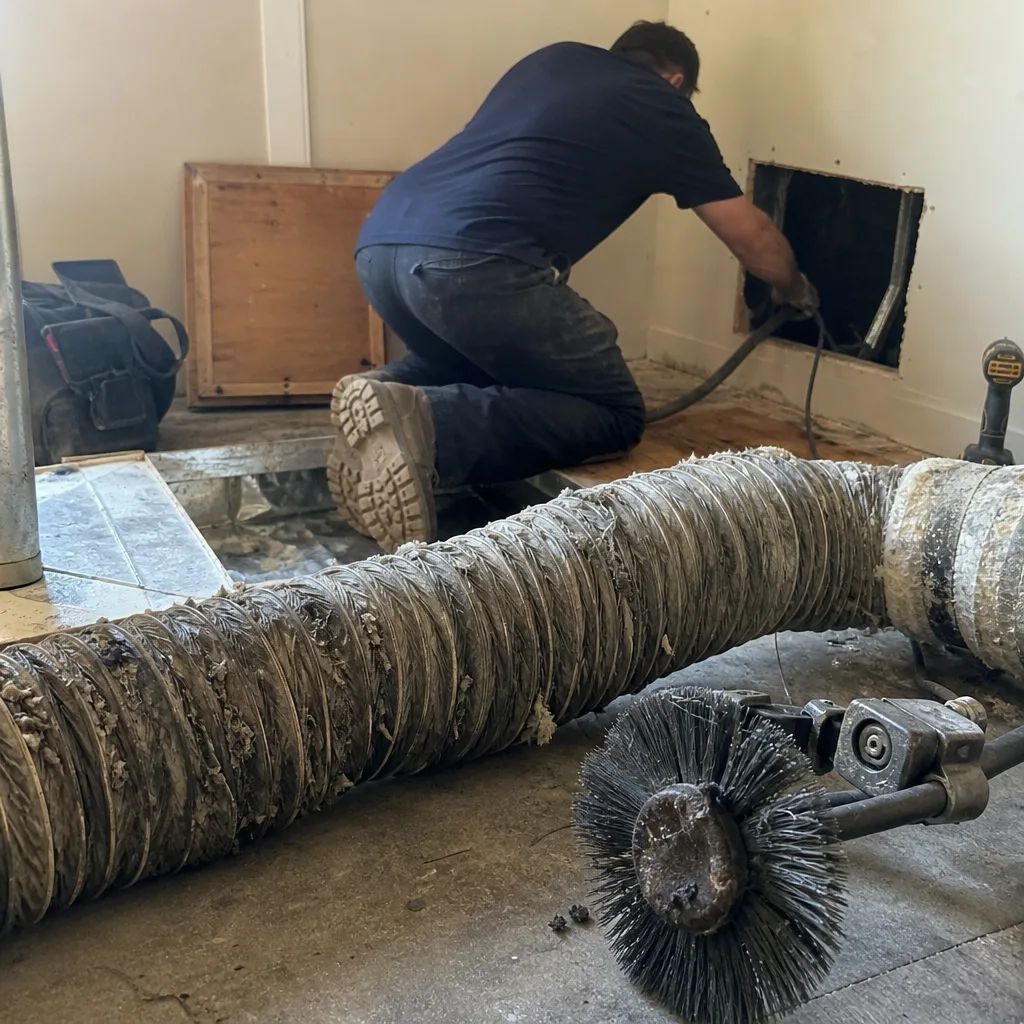 Before
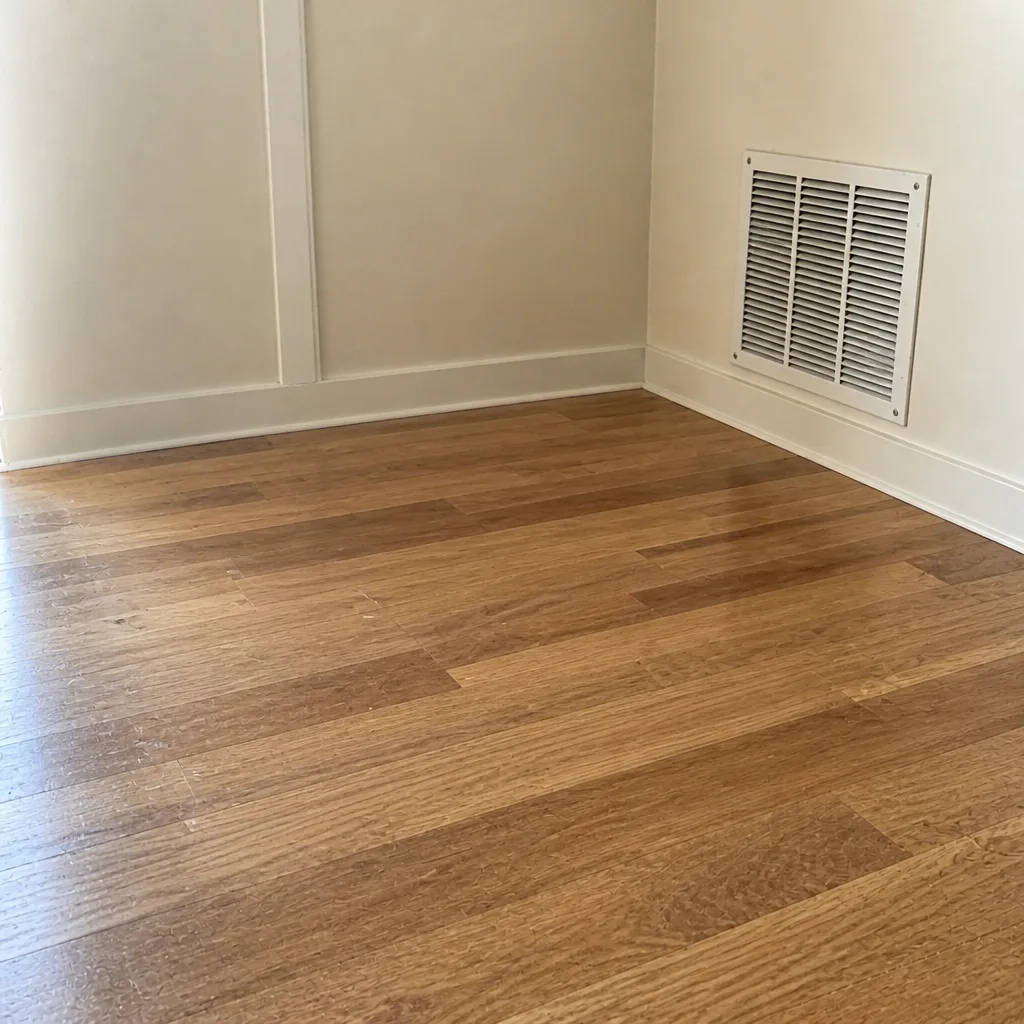 After
When to Call a Professional
Call a professional when you see two or more of the warning signs in this guide on the same system, when a smell arrives at startup and doesn’t fade by the time the room settles, when one side of the house has underperformed across more than one season, or when a filter loads up noticeably faster than it used to. Call sooner if you notice an orange or rust-tinted residue near registers, if you smell burning at startup, or if you’ve had a recent remodel or pest activity that could have disturbed ductwork in the attic. Don’t wait for visible mold or a strong odor. By the time those appear, the problem has been developing for months, and the fix is usually larger.
Paragon Air Duct Cleaning offers free estimates in Arlington. Call (844) 787-8766. We answer 24/7. Fast dispatch from 7am to 7pm, Sunday through Friday. Pricing is set per job by the written estimate, so the number we agree on before work starts is the number on the invoice.
Frequently Asked Questions
Watch for a combination of signs: a visible debris ring or discoloration around the supply registers, dust that returns to furniture within a few weeks, filters that clog faster than they used to, uneven airflow between rooms, or an odor at startup. Any one of these is worth a professional look. Two or more together is a strong signal to schedule an inspection. You can also sketch a room-by-room airflow check on a mild day, set the fan to on, and see where the weak registers are.
Call (844) 787-8766 for an exact quote. Estimates are free.
Cheaper quotes usually exclude the parts of the job that matter, like the trunk lines and the interior surfaces, or they price per vent and add up on site. A low figure that arrives by phone is not a price on the work. The honest alternative is a whole-system price, set per job by a written estimate after the system has been looked at, with no per-vent math and before-and-after photos of the actual ducts. If a quote looks dramatically lower than the others, ask what’s excluded and what equipment will be used. Built around your air system, not around a coupon is what a serious quote looks like.
Call (844) 787-8766 for an exact quote. Estimates are free.
Ask for before-and-after photos of the interior of the ducts. Any company that runs a camera pass or a rotary brush in a properly vacuum-held system can produce these, and any company that can’t is worth asking why. Photos of the registers alone aren’t proof of anything, because that’s the part you can see yourself. Interior photos and a walkthrough at completion, with the system running, are what verify the work.
Call (844) 787-8766 for an exact quote. Estimates are free.
There’s no fixed interval that fits every home. A system with a good filter, well-sealed ducts, and no warning signs can go years without needing attention. A system with pets, recent remodeling, or a history of moisture issues will need it sooner, and a system with structural problems will never be fixed by cleaning alone. Watch the signs, and let them drive the schedule rather than a calendar reminder.
Call (844) 787-8766 for an exact quote. Estimates are free.
Yes, in specific ways. The long warm season means the cooling system runs heavily, which puts more moisture through the air-handling path and more dust into the return, and much of the housing stock in Arlington is old enough that some internal duct liner has aged out. Both factors raise the value of an inspection over a fixed schedule, because they change what needs looking at rather than how often.
Call (844) 787-8766 for an exact quote. Estimates are free.
The two worth naming: a burning smell at startup, which can mean debris is on heat exchanger surfaces, and a dryer vent that’s loaded with lint, which is an industry-recognized fire risk. For a burning smell at startup, turn the system off and get it inspected. For the dryer vent, treat it as a separate safety service, not an add-on. If you ever smell gas, leave and call your gas utility.
Call (844) 787-8766 for an exact quote. Estimates are free.
The Bottom Line
Air duct problems announce themselves quietly, and they announce themselves with patterns rather than alarms. Debris color around the register, airflow asymmetry between zones, and accelerated filter loading are the three signals that matter most, and all three can be checked without any special equipment. The other signals, dust rebound and startup odors, tell you about the quality of previous work and about internal moisture. If you take one thing from this guide, take this: the fastest way to save money on duct cleaning is to get the cause right the first time. Cleaning is the wrong answer for a repair problem, and calling before the pattern matures is cheaper than waiting for visible mold.
Contact
Paragon Air Duct Cleaning is the specialist to call in Arlington when you want the warning signs read correctly and the right fix applied the first time. We bring professional-grade equipment from Rotobrush, Nikro, and Abatement Technologies to the job, and we handle the repair side when the problem is structural rather than just dirt. Clean ducts start with the right tools, and every job starts with a written estimate. Call (844) 787-8766 for a free estimate. We answer 24/7. Fast dispatch from 7am to 7pm, Sunday through Friday. Whether you’re in Arlington dealing with a single warm register or a full-system pattern of warning signs, we can walk you through what your air duct cleaning options look like.
Written by the team at Paragon Air Duct Cleaning.