
Last updated November 15, 2026
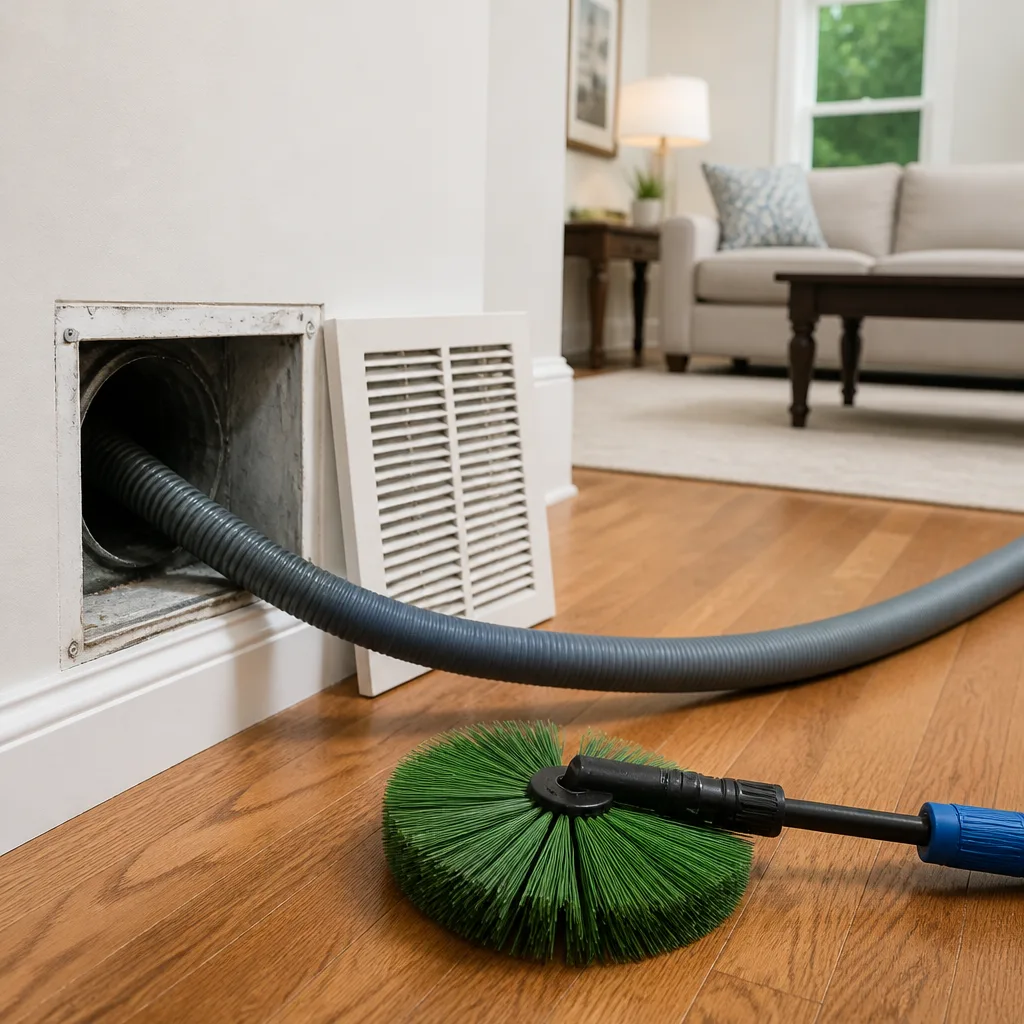 Whole-home duct cleaning
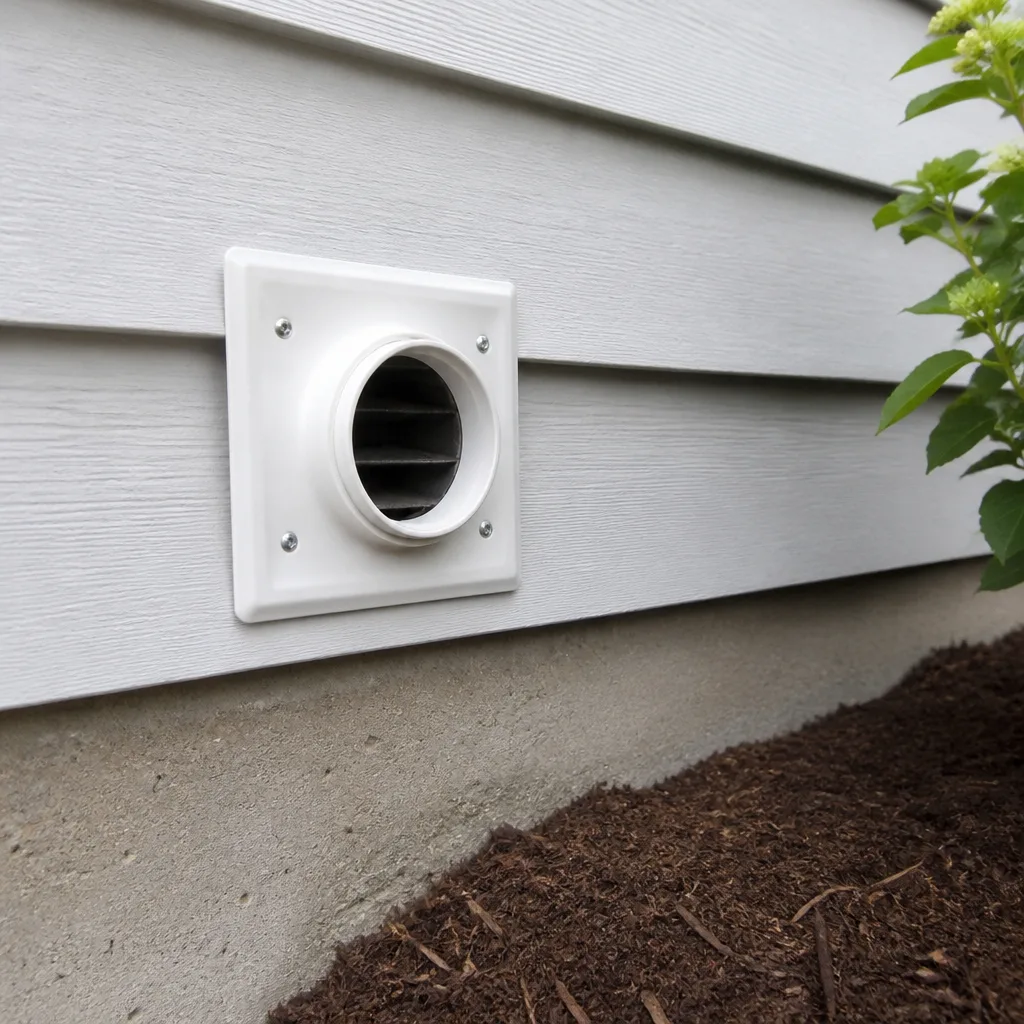 Dryer vent cleaning
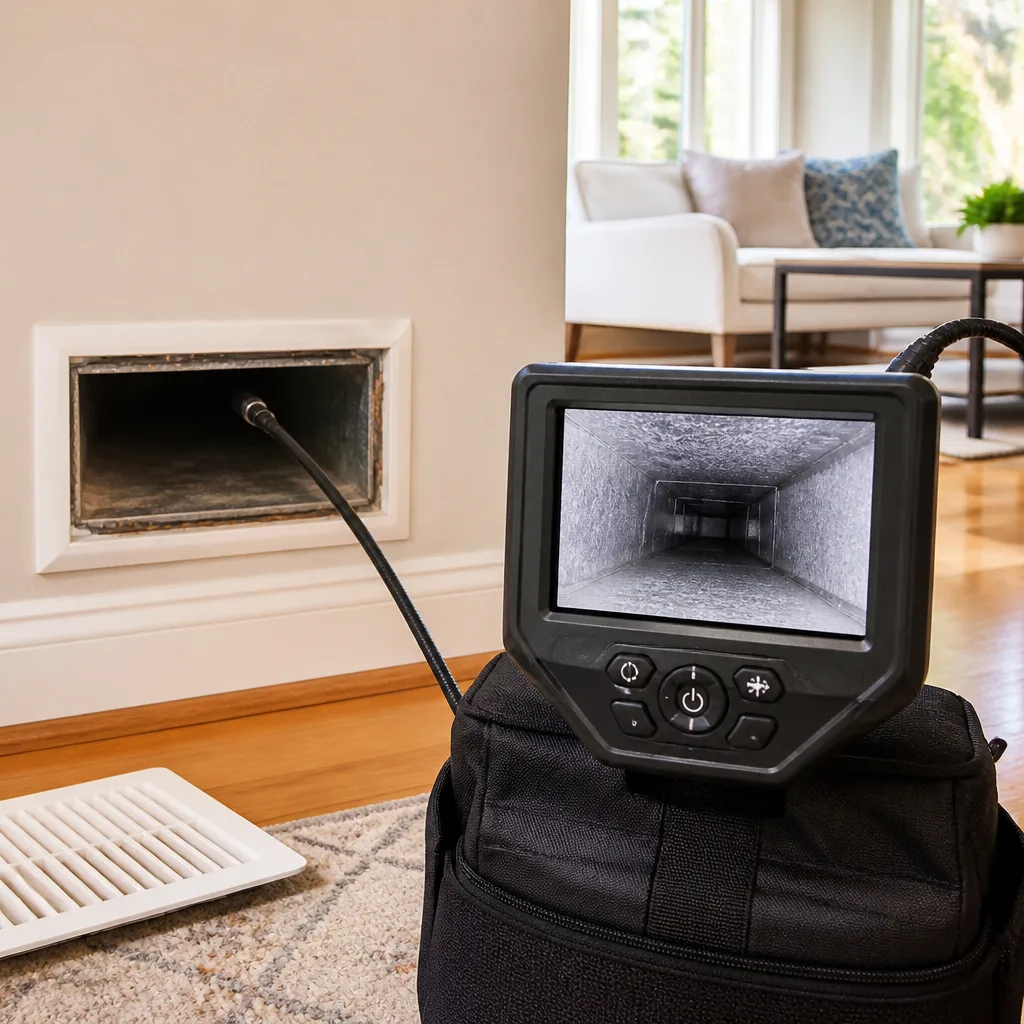 Camera inspection
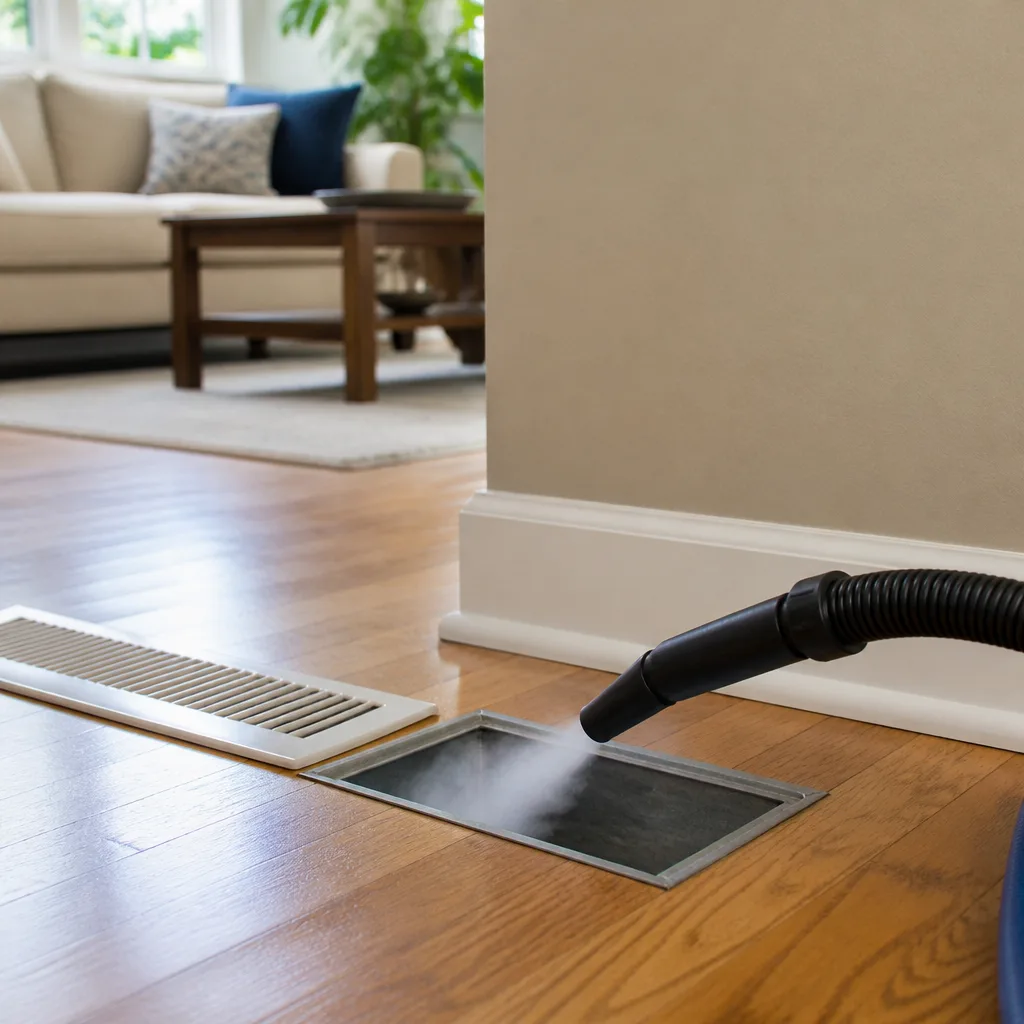 Sanitizing & deodorizing
Whole-system duct and dryer vent check with before-and-after photos - you see exactly what came out of your vents
That "$99 whole-house special" is a bait ad - the real number appears once they are in your hallway, or the "clean" is a shop-vac at the register. We photograph the inside of your ducts before and after instead.
Choosing the Right Air Duct Cleaning Brand: A Buyer’s Guide for Arlington
Most duct cleaning quotes sound identical. Everyone promises “professional equipment,” “negative pressure,” and a thorough job. The words cost nothing. What almost none of them will do is tell you which machines they’re running, at what airflow, with what agitation method, and how you’ll verify the result afterward. That gap between the sales pitch and the actual configuration is where good contractors and bad ones split. In this guide, we’ll show you how to evaluate air duct cleaning by its equipment and process rather than its adjectives. You’ll learn what specific systems like Rotobrush, Nikro, and Abatement Technologies actually do, which configurations suit the homes in Arlington, and the exact questions that separate a real specialist from a coupon operation.
Quick Answer
The right air duct cleaning contractor in Arlington is the one who can name their specific equipment (Rotobrush rotary-brush systems, Nikro high-powered vacuum rigs, Abatement Technologies containment), explain how that equipment matches your duct type, and show before-and-after camera evidence of your own system. Brand names aren’t the point by themselves; the engineering behind them (agitation, extraction power, containment) is what actually determines whether your ducts get clean. A contractor who can’t answer equipment questions in detail, or who quotes per-vent pricing, is telling you something important before they ever arrive.
Styles & brands we work with
- Whole-home duct cleaning
- Dryer vent cleaning
- Camera inspection
- Sanitizing & deodorizing
Table of Contents
- Why Equipment Choices Matter More Than Marketing Claims
- What Rotobrush Systems Do (and Where They Fall Short)
- Nikro and High-CFM Extraction: Whole-System Cleaning
- Abatement Technologies: Contamination and Post-Remediation Cleaning
- Questions to Ask a Contractor About Their Equipment
- Why Equipment Alone Isn’t the Full Answer: Access, Sealing, Sequence
- What Arlington Homes and Climate Mean for Duct Cleaning
- Common Mistakes to Avoid
- When to Call a Professional
- Frequently Asked Questions
- The Bottom Line
Why Equipment Choices Matter More Than Marketing Claims
Air duct cleaning works because two things happen at once: something agitates the debris stuck to duct walls, and something powerful enough extracts it while keeping it from escaping into your living space. When both work together, ducts get clean. When one is missing or weak, you get partial cleaning, redistribution of dust, or worse, debris pushed into other parts of the system. The equipment determines which of those outcomes you get.
Consider the difference in real terms. A contractor using a portable blower with an air whip (a lightweight hose attachment used in entry-level setups) generates a fraction of the airflow of a Nikro high-powered vacuum rig. The blower pushes debris around; the Nikro rig pulls it out through a contained channel. On a duct that hasn’t been cleaned in years, that’s the difference between stirring up years of accumulation and actually removing it. Similarly, a rotary brush at the end of a flexible shaft (as on a Rotobrush system) mechanically scrubs the duct wall, while a compressed-air whip relies on turbulence. The brush gets into corrugations and liner texture that air alone skips.
There’s a business reason this matters for buyers, too. Equipment tiers correlate with how serious a contractor is about the work. Entry-level tools are cheap to buy and easy to operate; professional systems require training, calibration, and investment. A company that runs Rotobrush and Nikro has made a choice about the quality of work it intends to deliver. A company that can’t tell you the brand of its vacuum hasn’t made that choice at all.
The other side of the equation is verification. Cleaning effectiveness is measurable, not just feelable. Pre- and post-cleaning camera inspection of duct interiors, comparison of collected debris weight, and airflow measurement on the HVAC system all give a contractor a defensible answer to “did the cleaning actually work?” Any brand claim without verification behind it is just marketing. When we quote a job, that verification is part of the process, not an upsell.
What Rotobrush Systems Do (and Where They Fall Short)
Rotobrush systems are rotary-brush cleaners designed to combine agitation and extraction in a single pass. A rotating brush at the end of a flexible shaft sweeps the duct wall while a continuous vacuum pulls loosened debris back through the shaft in real time. The result is a cleaning cycle that doesn’t leave debris waiting to be vacuumed up on a second pass. The brush does the scrubbing; the vacuum does the removal; the two happen together.
Why That Matters for Arlington Duct Systems
Many Arlington homes, particularly in the newer neighborhoods and subdivisions that were built out through the 2000s and 2010s, rely on flexible ductwork in the attic runs and drop-offs. Flex duct has a corrugated interior liner, and debris settles into those ridges in a way that smooth rigid metal doesn’t produce. An air-only or whip-based cleaning tends to skim across the tops of the corrugations. A rotary brush gets into them. For lined flex duct, that mechanical agitation is the difference between a surface pass and a clean duct.
Where Rotobrush Falls Short
Rotobrush systems are not the best tool for every job. They’re designed around branch runs and smaller-diameter flexible duct. On large rigid metal trunk lines, where debris load is heavy and duct volume is much larger, the rotary-brush approach alone can’t generate the negative pressure needed to fully clear the trunk. That’s a job for higher-CFM extraction. Skilled contractors pair the two: brush agitation for branch runs and flex lines, high-CFM vacuum on the trunk. If a contractor tells you their rotary brush alone handles every duct in your house, ask how they’re pulling debris out of the main trunk line. If the answer is vague, the equipment configuration doesn’t match the job.
Nikro and High-CFM Extraction: Whole-System Cleaning
Nikro high-powered vacuum rigs are built around airflow. Where a portable shop-style vacuum produces a few hundred cubic feet per minute (CFM) in a best-case scenario, a professional Nikro rig generates enough airflow to create meaningful negative pressure across the entire duct system at once. The ducts essentially act like a closed chamber being exhausted through a HEPA-rated filter assembly. Debris gets pulled from the farthest branches toward the vacuum source, not just from the section the technician is currently working.
What “True Negative Pressure” Actually Means
Negative pressure is the technical term for a space where pressure is slightly lower than the surrounding area, so air flows in rather than out. In duct cleaning, that matters because it keeps debris from escaping back into your rooms. Weak negative pressure leaves the system in near-neutral; strong negative pressure, like what a Nikro rig produces, pulls a steady inward flow at every opening. When the technician creates access ports (small holes cut into the ductwork) and seals them around the vacuum, the whole system stays in negative pressure throughout the cleaning cycle.
When High-CFM Cleaning Is the Right Call
High-CFM whole-system cleaning earns its keep in a few specific situations:
- Homes that have never had duct cleaning and have accumulated heavy debris load in the trunk line.
- Systems where a recent renovation or construction dust has entered the ductwork.
- Homes with long trunk runs and multiple registers, where branch-by-branch cleaning would leave residual contamination.
- Any job where a camera inspection shows visible debris coating the interior of the trunk.
In our experience across Arlington, the homes that need the full Nikro rig treatment are usually the ones where the previous cleaning was done with lightweight equipment. A brush-only pass on a house with a heavy trunk line load doesn’t remove the problem; it just disturbs it. Proper whole-system extraction gets it out.
Abatement Technologies: Contamination and Post-Remediation Cleaning
When a duct system has been exposed to mold growth, a pest intrusion, or the aftermath of a water event, the cleaning requirements change. Routine duct cleaning is about removing accumulated dust and debris. Contamination cleaning is about removing biological material and airborne particles while keeping them contained. That’s where Abatement Technologies equipment enters the picture.
What Makes Abatement Technologies Equipment Different
Abatement Technologies builds HEPA-rated containment and air scrubbing equipment for environments where particle containment is the primary concern. Their equipment is designed to capture fine particulate at high efficiency (HEPA filtration standards require removal of 99.97% of particles down to 0.3 microns), which matters when the concern is mold spores, fine dust, or airborne contaminants that could otherwise escape into living space. Standard vacuum rigs may have filter assemblies; Abatement-grade HEPA equipment has containment systems designed for the particle sizes that ordinary filters miss.
Why Most Duct Cleaners Don’t Have This
Routine residential duct cleaning rarely requires HEPA containment. The equipment is specialized and expensive, and a contractor doing routine work has no reason to own it. A contractor who does own Abatement-grade equipment is signaling a capability tier above routine cleaning: they can handle contamination scenarios, post-remediation verification, and situations where the customer’s indoor air quality concern is serious enough to require particle containment. That doesn’t mean every job needs it; most don’t. It means the contractor’s equipment roster tells you something about the kind of work they’re prepared for.
If you’ve had a mold inspection flag your ducts, a pest intrusion, or a recent water event in your Arlington home, ask specifically whether the contractor uses HEPA-rated containment equipment. The answer to that question should be a brand name and a filtration specification, not a general assurance.
Questions to Ask a Contractor About Their Equipment
These are the questions that separate contractors who know their equipment from contractors who know their sales script. Have them ready before you book.
- What specific equipment brands do you use? Look for real names (Rotobrush, Nikro, Abatement Technologies, and equivalent professional systems). If the answer is “professional-grade equipment” with no names, ask again.
- Can you run mechanical agitation and high-CFM extraction simultaneously? A contractor doing both at once can clean the whole system without a second pass. A contractor doing them sequentially will either leave debris or tell you the job requires two visits.
- Do you use a camera system for pre- and post-cleaning inspection? Camera footage is the only objective proof that cleaning worked. A contractor without camera capability is asking you to trust their word.
- How do you create and seal access points? Proper cleaning requires small access ports at strategic points in the ductwork. Ask how they’re created, whether they’re sealed afterward, and how many the job requires.
- How do you prevent cross-contamination between zones during cleaning? Sealing zones and sequencing cleaning so that contamination isn’t pushed from one part of the house to another takes planning. A contractor who hasn’t thought about this will redistributue debris.
- What’s the pricing structure? Per-job pricing is standard for professional duct cleaning. Per-vent pricing almost always results in a low headline figure that grows when the technician is on-site. A written estimate for the whole system is the honest structure.
Our technicians have up to 12 years of experience, and in our experience, most of the questions above get answered clearly in about five minutes by a contractor who knows what they’re doing. If the answers take longer, that’s telling you something.
Why Equipment Alone Isn’t the Full Answer: Access, Sealing, Sequence
Here’s the part the equipment discussion can obscure: gear is necessary but not sufficient. A technician with a Nikro rig and a Rotobrush system can still do a mediocre job if they don’t set up correctly. The three process steps that matter most are access points, zone sealing, and cleaning sequence. These are the parts of the job most homeowners never see, and they’re the ones that determine whether you get clean ducts or a redistribution problem.
Access Points
Duct systems are sealed. Cleaning requires small access ports cut into the ductwork at specific points: typically the plenum near the air handler, one or more trunk line locations, and at the farthest registers on long branch runs. Proper access means the extraction equipment can work at multiple points simultaneously, so no single section of duct is bypassed. The ports should be sealed after cleaning with heat-rated tape or similar. Ask how many access points the job requires and whether they’re sealed afterward. If a contractor plans to work through your existing registers only, they’re bypassing the access protocol that makes whole-system cleaning possible.
Zone Sealing
When you clean a duct system, debris loosens. If the system isn’t properly sealed off in zones, that debris can travel into rooms or into parts of the ductwork not connected to the vacuum. Sealing zones means isolating the branches and trunk sections being cleaned so contamination stays inside the extraction path. It also means protecting the occupied space with containment at any point where ducts open into rooms.
Cleaning Sequence
The order in which ducts are cleaned matters. Working from the farthest branches toward the air handler pulls debris toward the vacuum source rather than pushing it back toward the registers. Working in the reverse order moves debris the wrong direction. The correct sequence is also driven by where the extraction equipment is positioned at each stage of the job.
Ask any contractor about these three things before booking. A professional will explain their process in plain language, including access, sealing, and sequence. A contractor who can’t describe how they handle zone sealing during a whole-system cleaning isn’t running the process end to end. The full-scope approach we take at Paragon Air Duct Cleaning includes structural repair alongside cleaning, because gaps and broken connections are often what opened the system to contamination in the first place.
What Arlington Homes and Climate Mean for Duct Cleaning
Arlington’s climate is hot for a large share of the year, which means HVAC systems here run hard and long. That’s not a marketing line; it’s a practical reality that shapes how duct systems accumulate debris. In homes where the system runs constantly from late spring through early fall, dust and debris particles have more opportunity to settle, more airflow to push them into ductwork, and more condensation conditions in the ducts themselves during the cooling season. Homes with high airflow demand and lower-MERV filters are especially prone to dust accumulation.
Home Age and Construction Patterns
Arlington has a mix of home eras: older neighborhoods close to the city’s center, mid-century subdivision homes, and newer construction expanding outward from the metroplex core. Older homes in Arlington often have the original duct systems, sometimes rigid metal trunk lines with flexible branch runs, and those systems have decades of accumulated debris. Newer homes typically have flex duct throughout and were built with tighter envelope construction, which can concentrate airborne particles in a narrower flow path. Both profiles benefit from proper cleaning, but the equipment configuration differs: older homes usually need the high-CFM trunk cleaning, while newer construction often runs well on the Rotobrush branch-and-trunk combination.
Renovation and Dust Events
Arlington’s ongoing construction and remodeling activity means many homes have had at least one renovation during which construction dust entered the duct system. Drywall dust is particularly stubborn in corrugated flex duct: it settles into ridges where simple vacuuming misses it. A post-renovation cleaning is a different job than a routine maintenance cleaning, and it typically calls for camera inspection before and after and higher-RPM mechanical agitation on the branch runs.
Air Quality Concerns That Prompt the Call
Allergy and asthma concerns drive a lot of duct cleaning calls in Arlington. So does a recent home inspection flagging visible debris or biological growth. In those cases, the source of the problem (a disconnected duct, a water intrusion, a pest entry) has to be found before cleaning is worth doing. That’s why we scope air duct cleaning to include an inspection that can identify structural issues the cleaning would otherwise conceal.
Common Mistakes to Avoid
- Choosing on price per vent. A low per-vent figure is the industry’s oldest bait-and-switch. The real cost of a proper whole-system cleaning is set per job by a written estimate, and a contractor who quotes per-vent is committed to a pricing structure that rewards upselling on-site.
- Accepting “professional equipment” without a brand name. The whole point of the Rotobrush and Nikro distinction is that the engineering differs. If your contractor can’t name their system, they can’t tell you what it does differently.
- Skipping camera verification. If you don’t see before-and-after footage of your own ducts, you don’t know the cleaning happened. A contractor confident in their work should volunteer this.
- Ignoring the trunk line. Branch cleaning alone leaves the main trunk full of debris that will simply redeposit into the branches over the following months. Whole-system extraction is the standard, not the upgrade.
- Hiring for cleaning when the problem is structural. If ducts are disconnected, torn, or crushed, cleaning them is a waste of money. The source of the problem has to be repaired first, which is why we offer air duct repair alongside cleaning.
- Forgetting the dryer vent. Dryer vents are a leading cause of residential fires per industry safety data, and they accumulate lint the same way ducts accumulate dust. It’s a separate service and a genuine safety concern, not an upsell. dryer vent cleaning deserves its own line item on your annual home maintenance list.
- Assuming “sealed” access means “no access needed.” Any contractor planning to avoid cutting access ports is committing to a partial cleaning. Access is a sign of a professional process, not a concern.
When to Call a Professional
Duct cleaning isn’t a maintenance task that needs a schedule. It’s a task driven by specific conditions. Call a professional when: your system has never been cleaned and the home is more than a decade old; a recent renovation or construction project sent drywall dust or debris into the system; you’ve seen visible dust puffing out of registers when the HVAC cycles on; a home inspection or HVAC technician has flagged debris, biological growth, or disconnected ductwork; or someone in the household has developed worsening allergy or respiratory symptoms with no other clear cause. Also call when a contractor’s pre-cleaning inspection is what you’re looking for, because a professional can tell you whether cleaning is the right solution or whether a structural repair is the actual fix.
Paragon Air Duct Cleaning offers free estimates in Arlington. We answer 24/7 on (844) 787-8766, and we dispatch technicians Sunday through Friday, 7am to 7pm (closed Saturday).
Frequently Asked Questions
Air duct cleaning in Arlington is priced per job based on the size and configuration of the system, not per vent. A written estimate is standard before work begins, and that estimate sets the final price. The best way to know the number is to have the system inspected and get a written estimate. Call (844) 787-8766 for a free estimate, and we’ll include the specifics of the equipment and process in the quote.
Cheap quotes are usually cheap because the equipment and process are reduced. A contractor running a portable blower and a hand-held brush is cutting corners on both agitation and extraction. The low price also tends to expand once the technician is on-site and “discovers” additional work. Standard professional pricing is per job, agreed before work starts, and includes the full equipment configuration and camera inspection. Call (844) 787-8766 and we’ll walk through what’s included in our written estimate.
Camera inspection before and after cleaning, with the footage shared with you, is the standard. If a contractor can’t show you before-and-after images of your own ductwork, you’re relying on their word alone. Ask for this upfront, and be wary of any contractor who says their equipment “speaks for itself.” Call (844) 787-8766 to see how we document every job.
Duct cleaning is not a scheduled maintenance item on a fixed timeline. Industry guidance says cleaning is warranted when conditions indicate it: visible debris, a recent renovation, a home inspection flag, or a change in HVAC performance that points to duct contamination. Most homes in Arlington go many years without needing it, and some need it after a specific event. If you’re unsure whether your system needs it, a camera inspection answers the question. Call (844) 787-8766 for a free estimate that includes an inspection.
Most routine cleanings don’t require HEPA-rated containment, but a HEPA-capable contractor is a good sign because it means the company is prepared for contamination scenarios rather than just dust removal. If your ducts have been flagged for mold or a recent water intrusion, HEPA containment is appropriate and worth asking about specifically. Call (844) 787-8766 and we’ll tell you which equipment configuration matches your situation.
No, and you shouldn’t pay for cleaning until the repair is done. Torn flex duct, disconnected sections, or crushed runs are structural problems that cleaning won’t fix and often worsens by pushing debris into the damaged area. Air duct repair needs to happen first, and then cleaning can proceed. We handle both. Call (844) 787-8766 for a free estimate that covers the full scope.
The Bottom Line
Brand-of-equipment is one of the most reliable proxies for contractor quality in air duct cleaning, because it forces the conversation toward engineering instead of adjectives. Rotobrush systems are built for mechanical agitation combined with continuous extraction, which matters on the lined flex duct common in Arlington homes. Nikro rigs generate the high airflow needed for whole-system extraction on heavy trunk line debris. Abatement Technologies equipment shows readiness for contamination scenarios that go beyond routine cleaning. None of that substitutes for correct process: proper access points, zone sealing, and cleaning sequence are still what determines the final result. Ask the questions in this guide, insist on before-and-after camera proof, and treat per-vent pricing as a warning. Then you’re buying a cleaned system, not a sales pitch.
If you’re comparing quotes for a cleaning in Arlington, call Paragon Air Duct Cleaning at (844) 787-8766 for a free estimate. We answer 24/7. Fast dispatch, 7am-7pm, Sunday through Friday.
Written by the team at Paragon Air Duct Cleaning.
See the difference
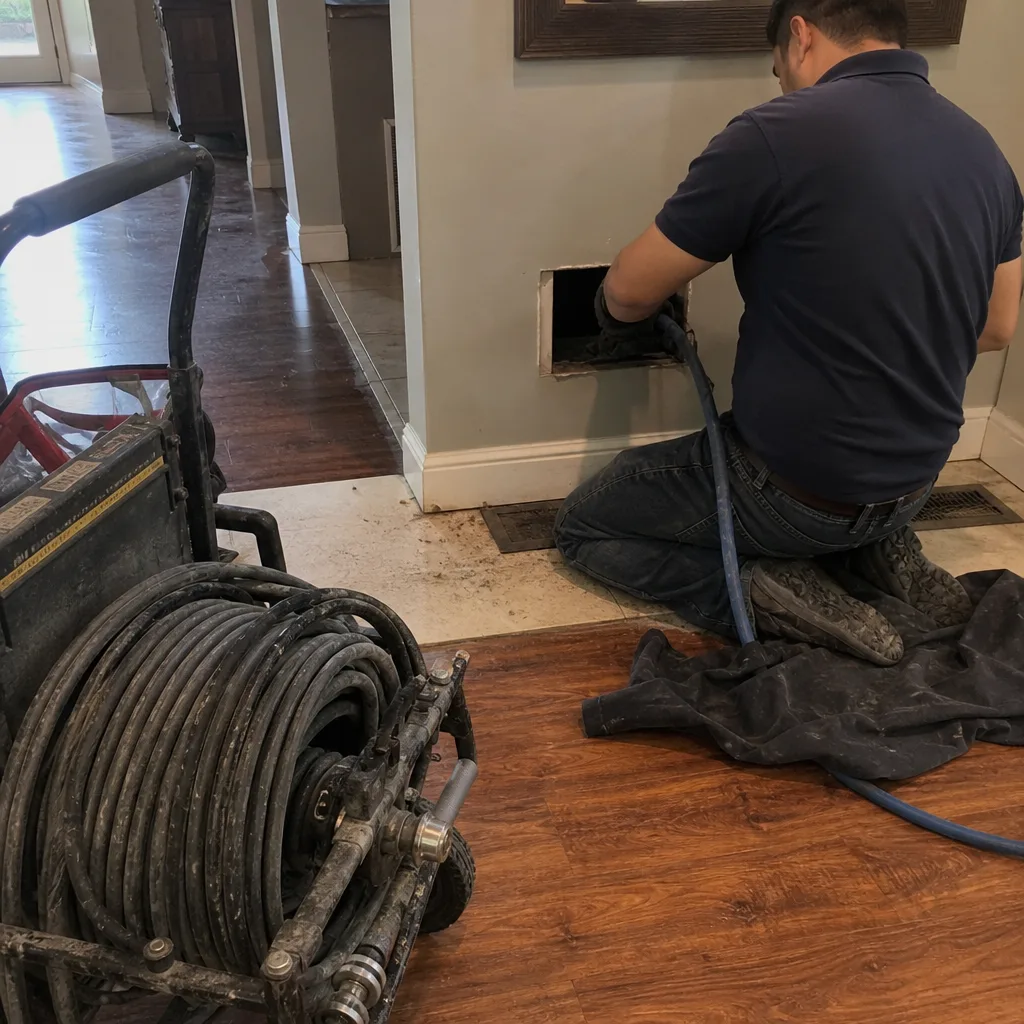 Before
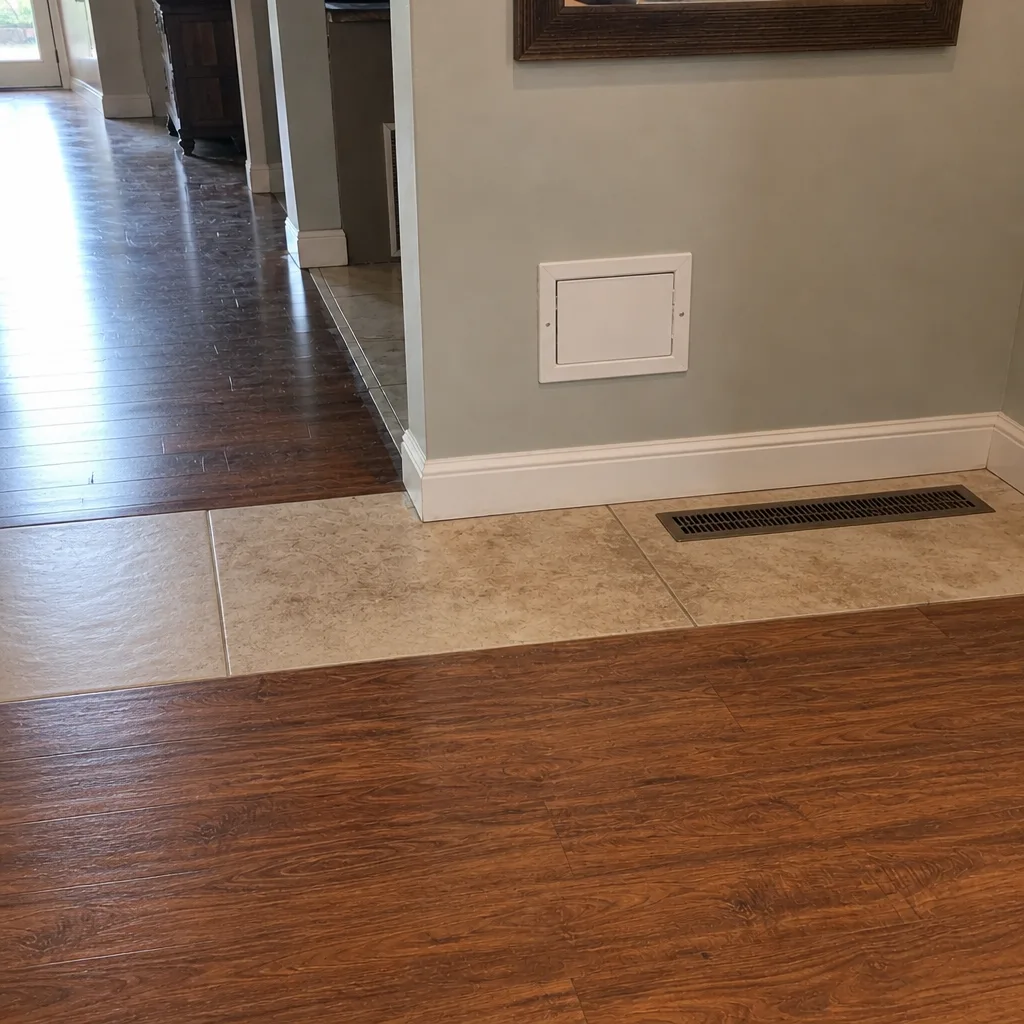 After
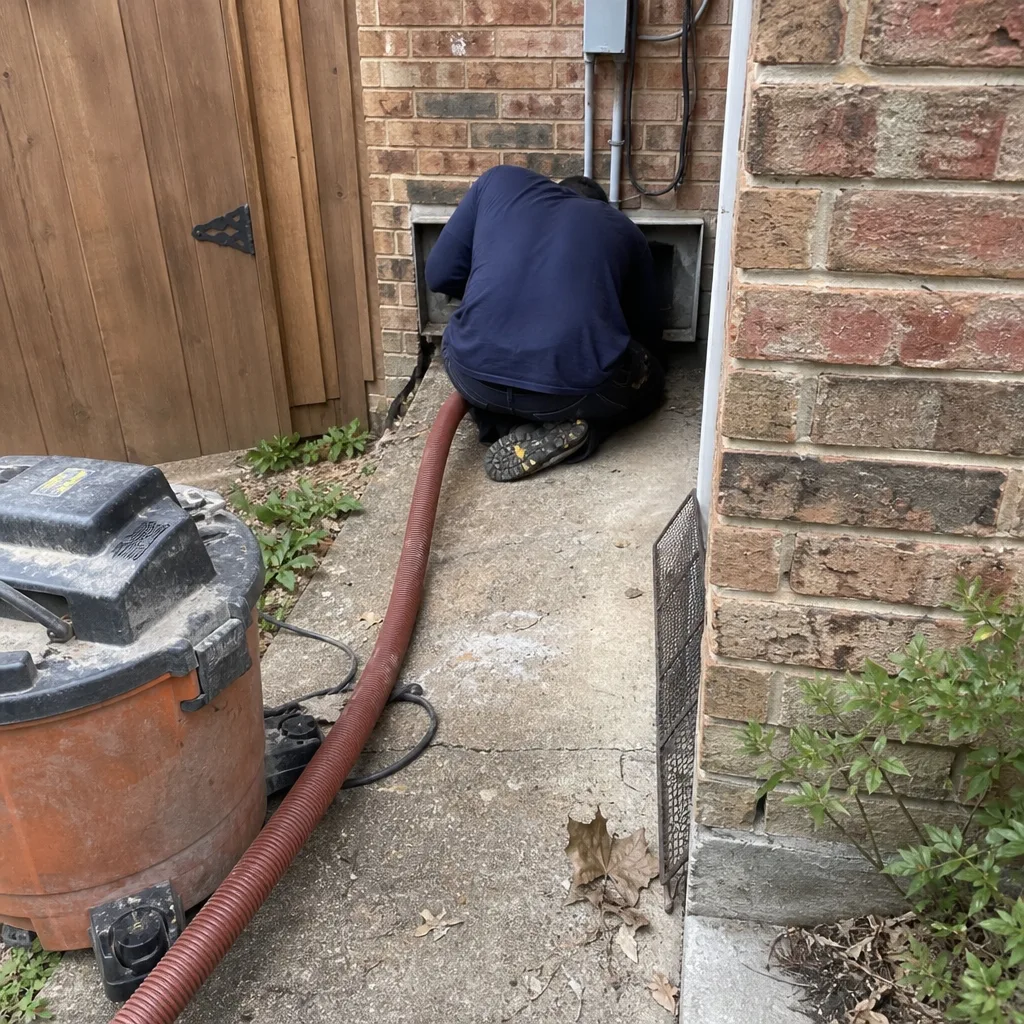 Before
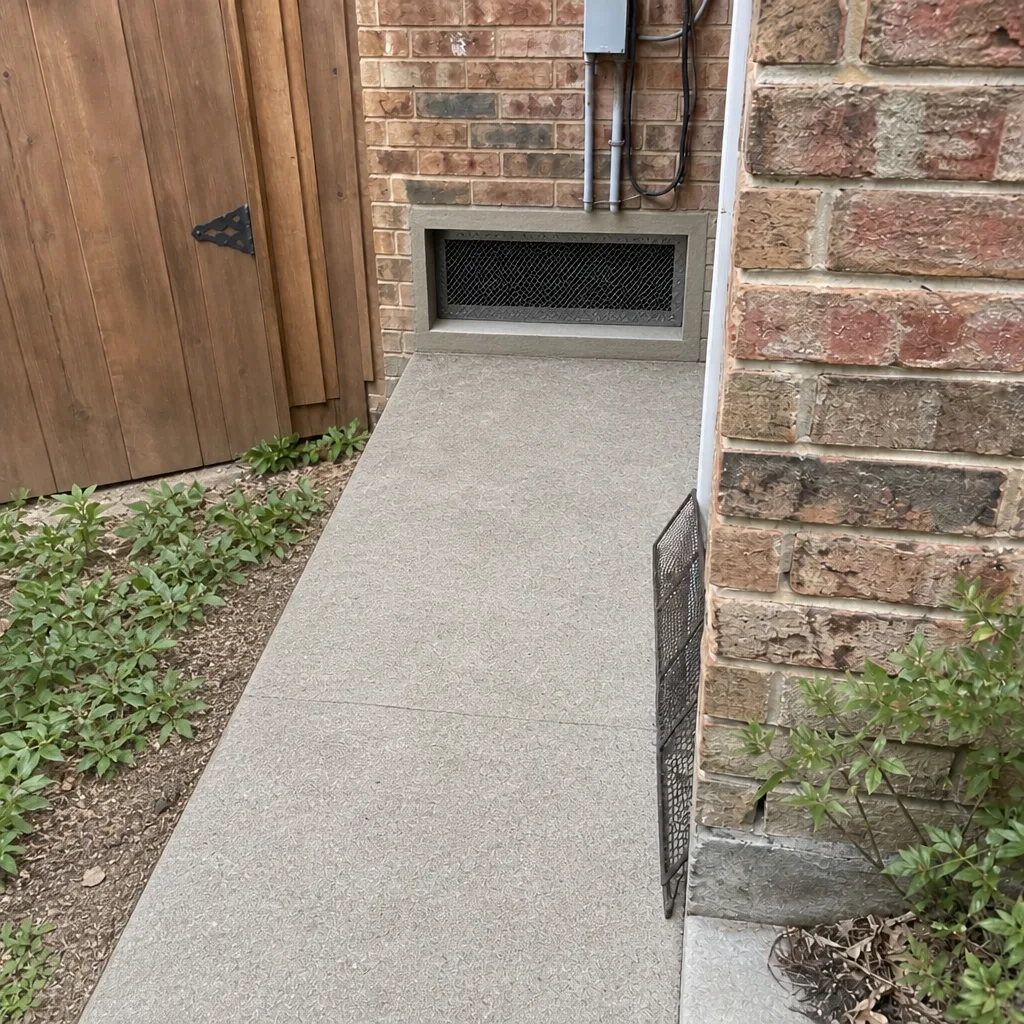 After
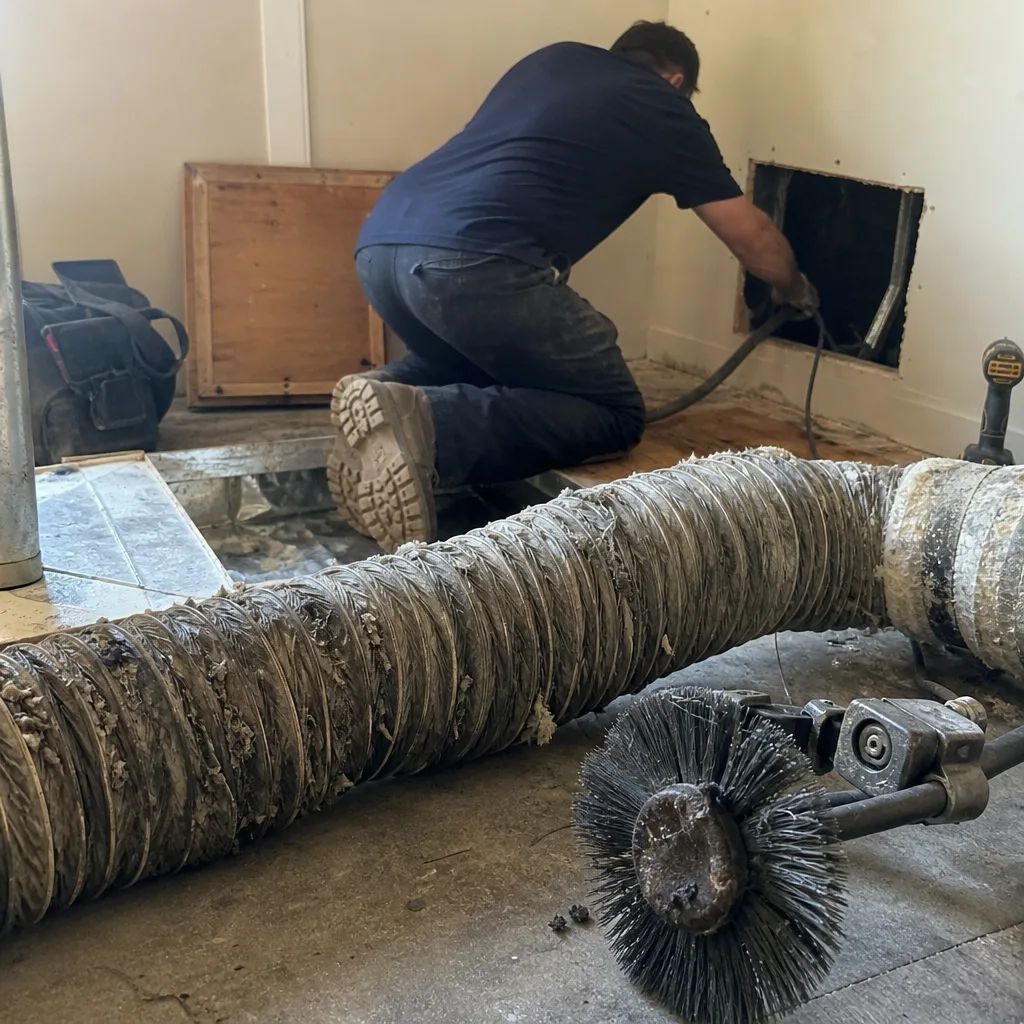 Before
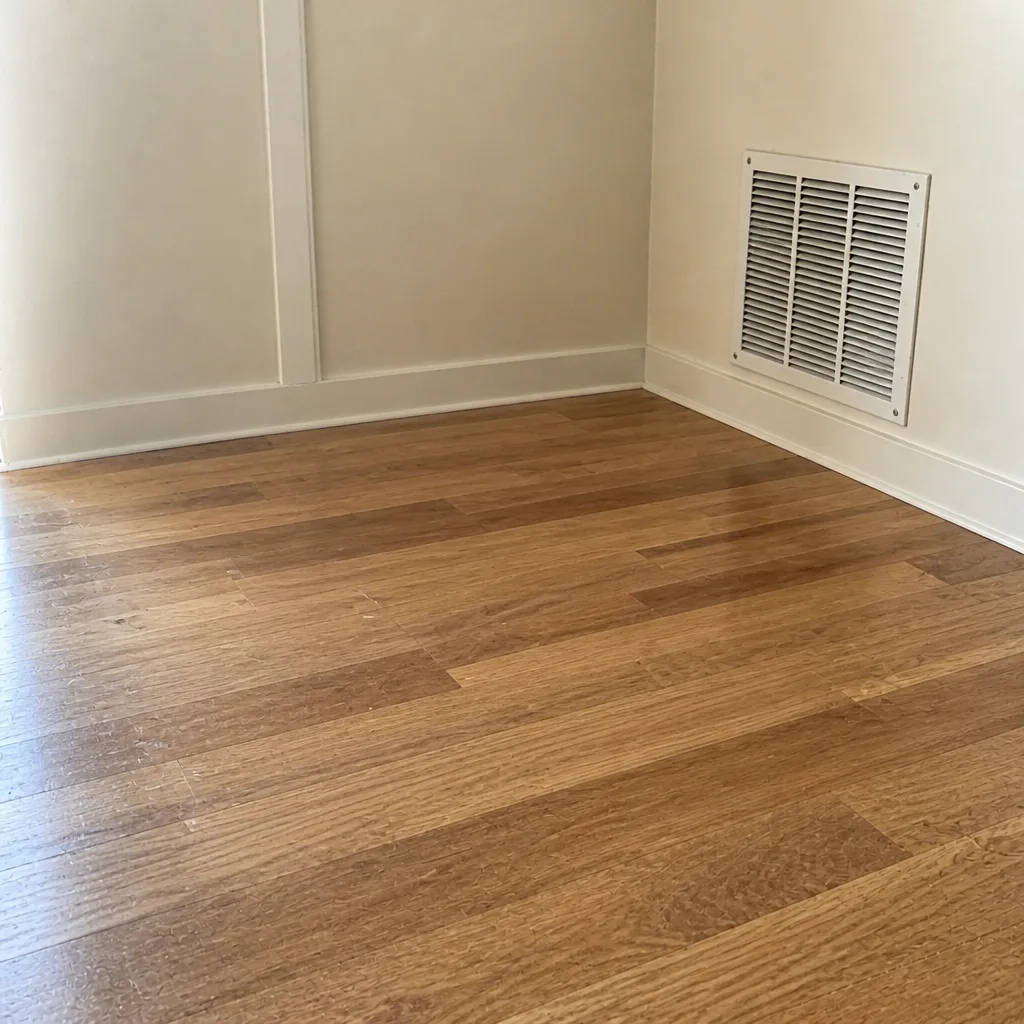 After