
Last updated November 15, 2026
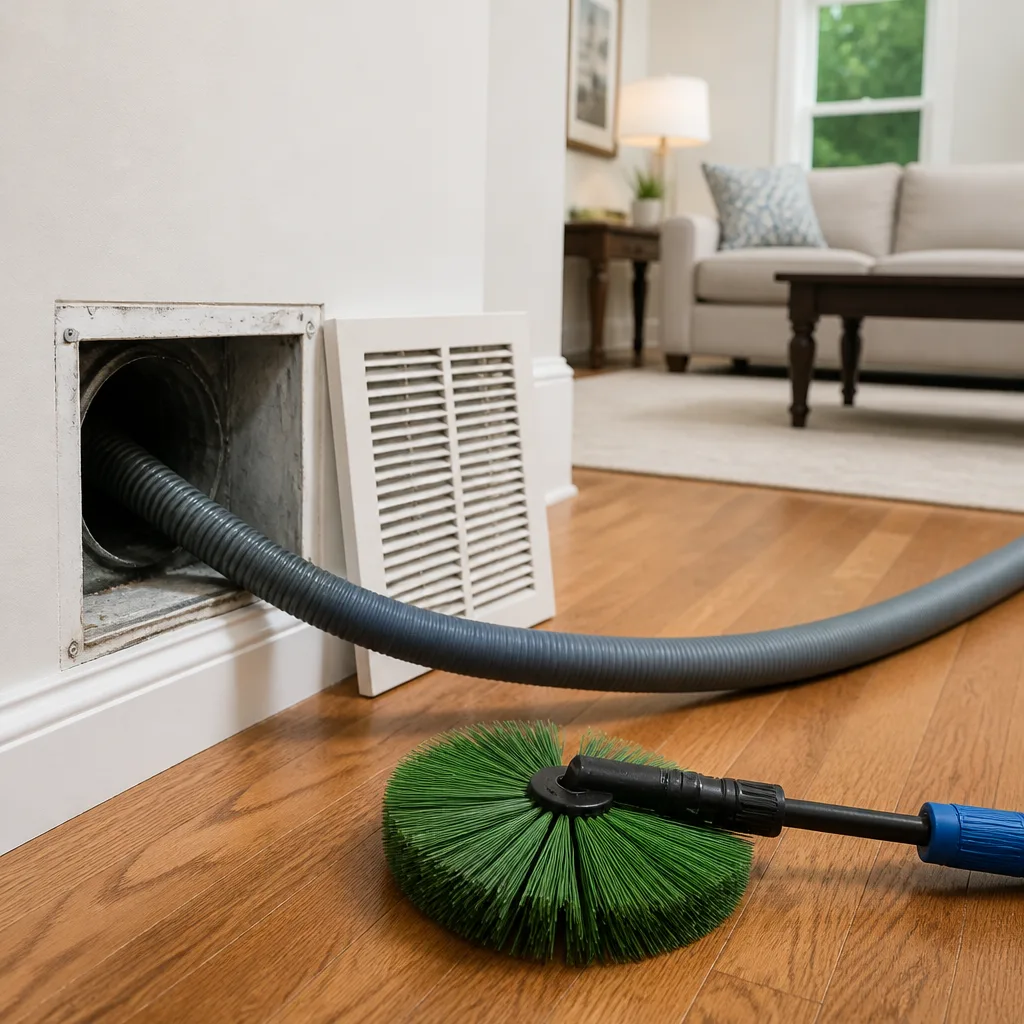 Whole-home duct cleaning
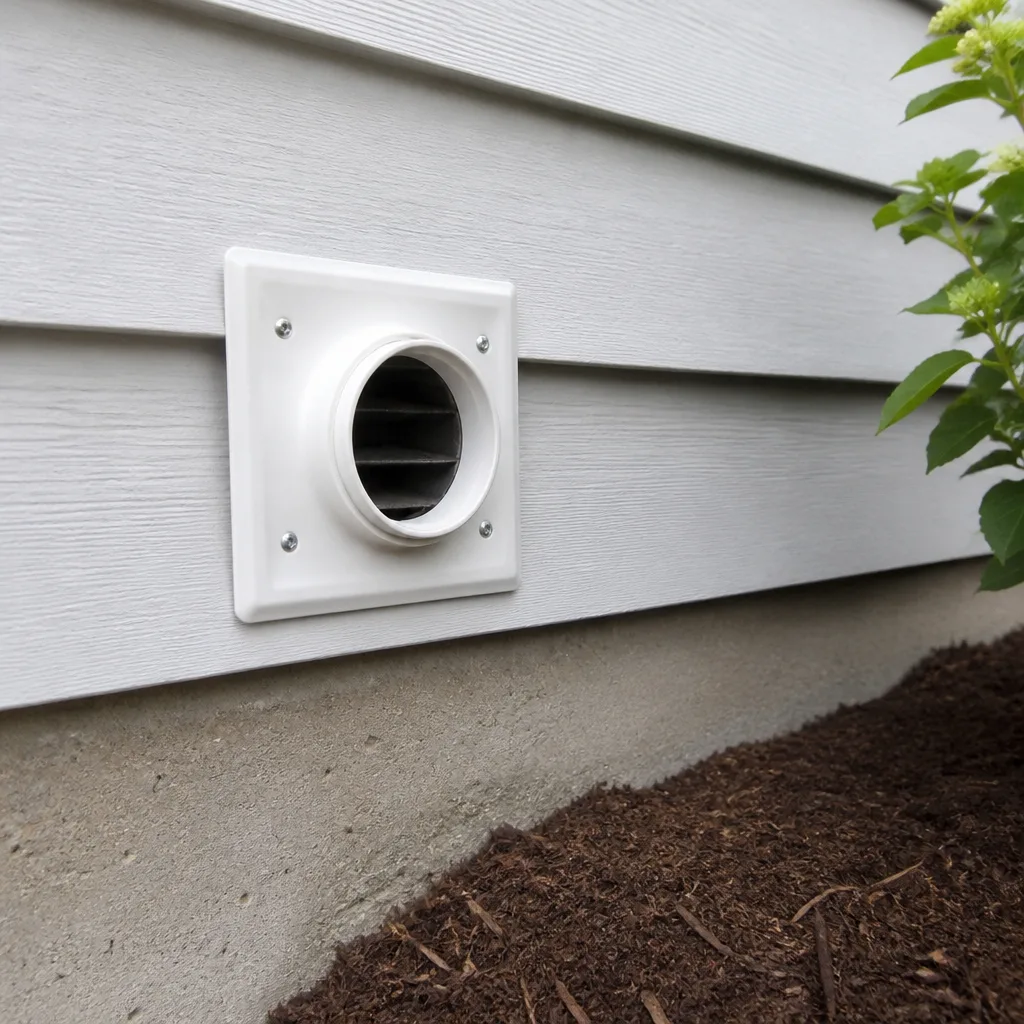 Dryer vent cleaning
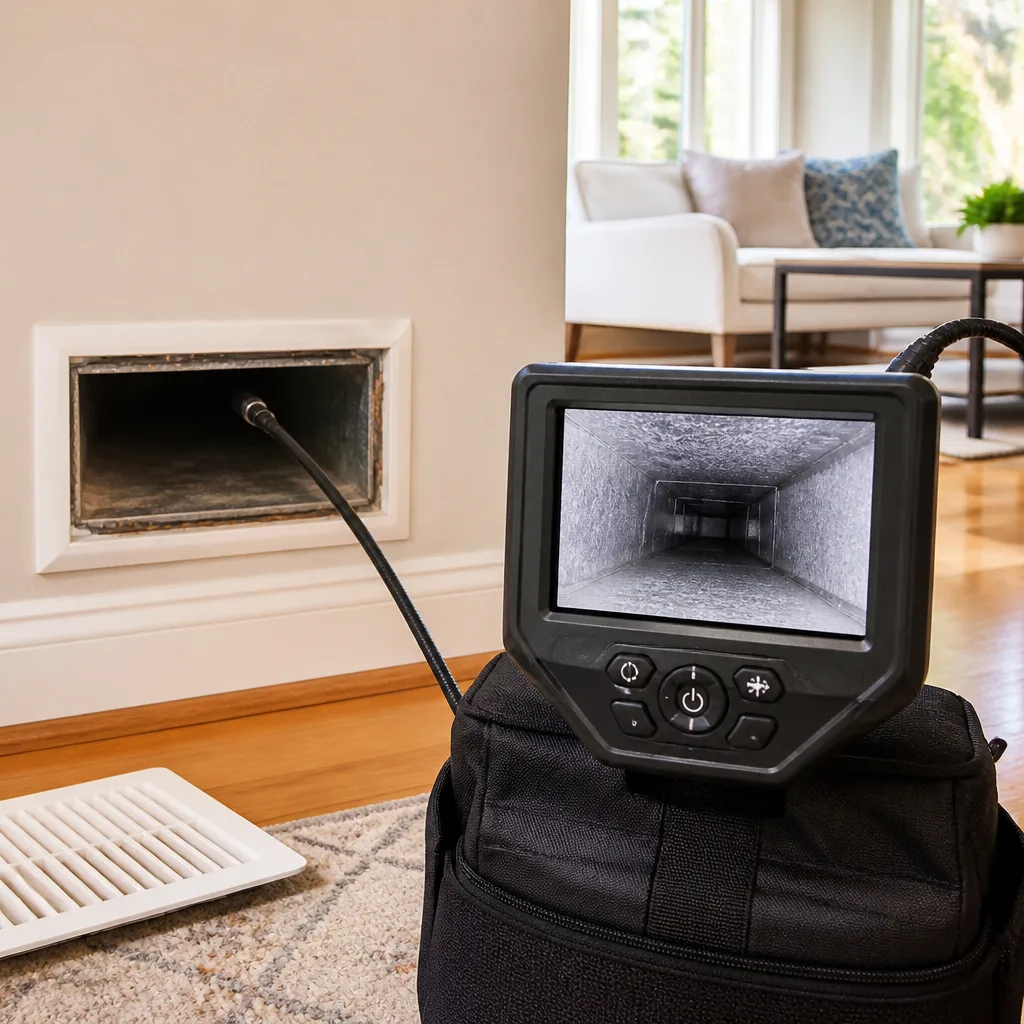 Camera inspection
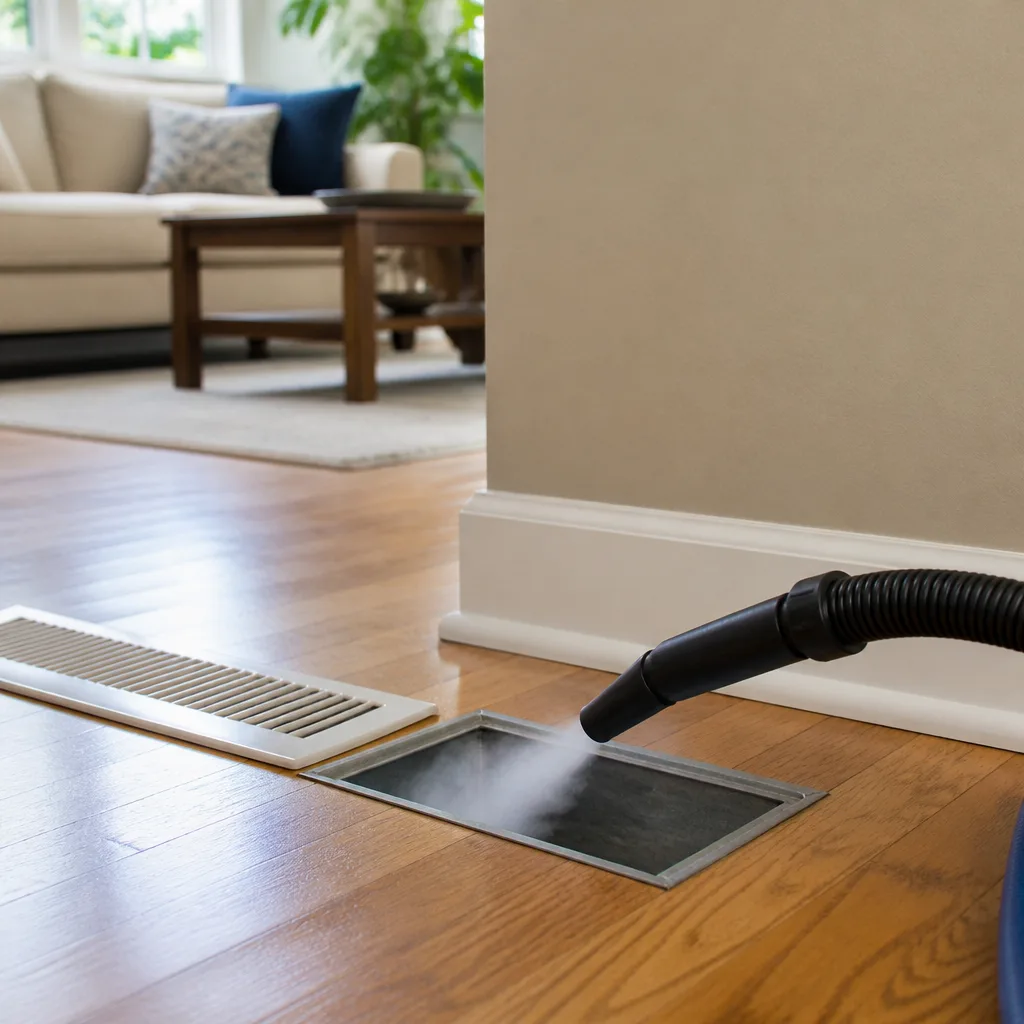 Sanitizing & deodorizing
Whole-system duct and dryer vent check with before-and-after photos - you see exactly what came out of your vents
That "$99 whole-house special" is a bait ad - the real number appears once they are in your hallway, or the "clean" is a shop-vac at the register. We photograph the inside of your ducts before and after instead.
Air Duct Cleaning Emergency Preparedness Guide for Arlington Homes
After a major storm or tornado event in North Texas, the instinct is to get the power back on and cool the house down. But if your attic sustained any penetration, or your crawl space flooded, running your HVAC before inspecting the duct system can turn a contained problem into a whole-home air quality event within a single operating cycle. Most Arlington homeowners know to check the roof, the fence, and the windows after a severe weather event. Very few know to check the ducts. This guide walks you through a post-storm inspection protocol, explains how tornado pressure affects duct systems, covers the mold timeline after water intrusion, and tells you exactly what to photograph for insurance before anyone touches a thing.
Quick Answer
Before restarting your HVAC after a storm in Arlington, inspect the attic access points, return air grilles, and the area around your air handler for water staining, condensation, or visible debris. If you find moisture inside any duct section, don’t run the system and treat the first 48 to 72 hours as the window where mold prevention still works. Document everything with photos first, then call a specialist to assess and clean. If nothing is wet and nothing is breached, you can usually restart the system safely, but a visual check is the step almost everyone skips.
Styles & brands we work with
- Whole-home duct cleaning
- Dryer vent cleaning
- Camera inspection
- Sanitizing & deodorizing
Table of Contents
- The Post-Storm Duct Inspection Protocol
- How Tornado Pressure Events Affect Duct Systems
- The Mold Timeline After Water Intrusion
- FEMA and Insurance Documentation: What to Collect First
- How to Triage When Resources Are Limited
- When the Ducts Need Repair, Not Just Cleaning
- Preparing Your Duct System Before the Next Storm
- Common Mistakes to Avoid
The Post-Storm Duct Inspection Protocol
This is the step that separates a minor cleanup from a system-wide contamination problem. Do it before you flip the thermostat back on. If you can’t reach your attic safely or your air handler is in a crawl space, have someone who does this work look before anything runs.
- Check the attic access point. Look for daylight coming through where there shouldn’t be any. If the attic hatch or scuttle was blown open or shifted, outdoor air, insulation particles, and water came in with it. Look at the decking around the access point for damp stains, which often indicate wind-driven rain found its way in.
- Inspect the return air grilles inside the house. These are the large grilles you see in hallways and ceilings. Look for dust streaks, dark marks around the edges, or any visible debris stuck to the fins. A return grille that’s pulling from a breached attic is the main pathway for contamination getting into the living space.
- Look at the air handler. Find the indoor unit (usually in the attic, closet, or garage). Check for condensation pooling underneath it, water staining on the cabinet, or rust streaks on the metal panels. Any of these suggest moisture has been inside the system.
- Check flex duct runs for tears. Flexible duct is a plastic sleeve over a wire coil. Storm debris, falling insulation, or a shifting attic panel can tear it. Look for splits, sagging sections, or duct that’s pulled loose from its collar.
- Smell the air at the return. A musty, damp, or earthy smell coming from a return grille is a strong signal that moisture is present somewhere in the system.
- Take photos before touching anything. More on this in the documentation section below, but do it now, before cleanup.
If any of these checks fails, don’t run the system. You’ll be spreading whatever got inside across every room.
How Tornado Pressure Events Affect Duct Systems
Here’s the part most people don’t think about. An HVAC system is a pressure machine. It’s constantly pulling air in and pushing air out. When a tornado or severe straight-line wind event happens near your home, the pressure waves it creates can momentarily reverse that balance. A strong enough negative-pressure wave outside the building envelope can pull outdoor air, attic air, and whatever those carry through the same penetrations the duct system uses.
That means the ductwork can act as a siphon during the event itself. Insulation fibers, dust from the attic decking, and airborne debris get pulled into return air pathways. In a typical Arlington home, the return air side is where the risk concentrates because that’s where the system pulls rather than pushes.
There’s a second pressure problem after the storm. If your attic sustained a penetration (a missing shingle, a torn vent, a shifted ridge cap), the attic is now a source of unfiltered outdoor air. During normal operation, the HVAC return will pull some of that attic air through gaps in the duct connections or through any tear in a flex run. A compromised attic plus a running HVAC system is how a small breach turns into a system-wide contamination event.
So the rule is simple: fix the building envelope first, then verify the ducts before you run the system. We’ve seen plenty of homes where the roof was repaired quickly but the duct system had already distributed insulation fibers through every room by the time the family noticed the dust. If you’re looking at what air duct cleaning involves after this kind of event, our service page walks through the equipment and process, and it’s different from a routine cleaning.
The Mold Timeline After Water Intrusion
The 48 to 72 hour window matters because mold on wet building materials starts colonizing in that range under warm, humid conditions. North Texas in spring and summer is exactly that environment. Once mold has established itself inside a duct section, cleaning the surface isn’t enough; the materials may need to be assessed, and sometimes replaced, before the system is put back in service.
| Timeframe after water intrusion | What happens inside the ductwork | What to do |
|---|---|---|
| 0-24 hours | Duct materials absorb moisture; paper-backed insulation and flex duct liners hold water longest | Stop running the system. Photograph everything. Get airflow dried out. |
| 24-48 hours | Damp, warm attic air encourages early microbial growth on wet surfaces | Have a specialist inspect. If accessible, isolate the wet section. |
| 48-72 hours | The window where professional drying and cleaning still prevent most mold problems | Professional assessment and cleaning; moisture readings on the liner and insulation |
| Beyond 72 hours | Established growth on wet materials; damage may require duct section replacement | A full assessment, plus repair or replacement of affected sections before restart |
What to do if you find moisture: don’t run the HVAC to “dry it out.” Airflow across wet ducts doesn’t dry them effectively, and it distributes spores into the home. Don’t spray bleach or household disinfectant into a duct. Don’t close up an attic and hope it air-dries; paper-faced duct board and insulated flex hold water long enough that this is unreliable. Instead, isolate the wet section if you can, get it inspected, and let the assessment guide the next step. We rely on Abatement Technologies equipment for contamination scenarios because it’s built for exactly this kind of remediation work, not just blowing dust out of a duct.
FEMA and Insurance Documentation: What to Collect First
This is the part most Arlington homeowners wish they’d done differently. Insurance claims for duct damage succeed or fail on documentation, and once cleanup starts, the evidence is gone. Collect these things before any cleaning, repair, or restoration begins:
- Photos of the attic access point from several angles, showing the state of the hatch, the framing, and any debris or dampness around it.
- Photos of the air handler showing any water staining, condensation, or rust.
- Photos of every return air grille before cleaning, with close-ups of any streaking or debris.
- Photos of visible duct damage: torn flex runs, disconnected sections, crushed or collapsed duct.
- A dated written note describing when the storm occurred, when you noticed the issue, and what you observed. Write it the same day.
- Moisture readings or a written inspection summary from the specialist who assesses the system. Ask for it in writing because insurers will want it.
- Any receipts for emergency drying, roof repair, or temporary measures taken before the duct assessment.
If your home is in a federally declared disaster area, FEMA assistance and your homeowner’s policy are separate tracks, and both will want documentation of damage that predates repair. Don’t let anyone, contractor or otherwise, talk you into a cleaning before photos. The cleaning itself removes the evidence an adjuster needs. If you’re working with an insurer, we can work with your insurer on scheduling and documentation, but the record is yours to build first.
How to Triage When Resources Are Limited
After a major event, not every home gets the full treatment immediately. Sometimes you’re dealing with a damaged roof, a flooded crawl space, and a family trying to stay in the house. Here’s how to prioritize duct system work so the highest-risk components get attention first.
- The return air side is the priority. This is the part of the system pulling air in, so any contamination there is being drawn into the living space with every cycle. If you can only address one part of the system now, address the returns.
- The coil and air handler area comes second. A wet evaporator coil or a damp air handler cabinet is a mold nursery sitting right next to the air you breathe. Condensation or staining there moves it up the list fast.
- Visible duct damage in conditioned space comes third. A torn duct in a bedroom closet is moving contaminated air directly into occupied rooms, so don’t leave this.
- Runs in unconditioned attic space that are intact and dry can wait longer. If they’re not breached and not wet, they’re lower risk. Schedule the cleaning on a realistic timeline rather than panic-scheduling it.
If money is tight, ask for the assessment in pieces: return-side inspection and cleaning first, then the full system cleaning and any Paragon Air Duct Cleaning repairs when funds allow. What matters most is that you don’t run a contaminated system while you save up for the cleaning.
When the Ducts Need Repair, Not Just Cleaning
A lot of duct cleaning after a storm is really duct repair work in disguise. Torn flex runs, disconnected collars, crushed sections, and gaps at the air handler are the structural faults that let contamination in. Cleaning a system with a torn return duct is a waste of money: the duct pulls attic air again the minute the technician leaves. That’s why our scope includes Air Duct Repair as its own service rather than an upsell. When we assess a system, we look for the faults first, then decide what the cleaning actually needs to accomplish.
In Arlington, the most common post-storm structural issues we run into are straightforward:
- Flex duct pulled off its collar at the trunk or at a boot, often where a run crosses a piece of attic framing that shifted.
- Tears in the outer jacket of flex duct from debris or insulation movement.
- Sagging runs that have lost their support straps and are now lying on the attic decking or against framing, which crushes the inside diameter and reduces airflow.
- Disconnected return ductwork where a panned return or a duct board section separated under pressure.
Repairing these before cleaning is the difference between a system that stays clean and a system that re-contaminates itself in a week. Our technicians have up to 12 years of experience, and the ones who’ve spent most of that time in attics have a strong bias toward finding the structural problem first.
Preparing Your Duct System Before the Next Storm
You can’t predict the weather, but you can make your duct system easier to assess and less likely to take on contamination when the next severe event hits Arlington. A little preventive attention goes a long way.
- Know where your attic access is and keep it clear. If you can’t get into the attic quickly after a storm, you can’t inspect. Keep the hatch free of stored boxes.
- Label the air handler location. Make sure everyone in the household knows where it is. In an emergency, that matters.
- Note your return grille locations on a phone photo. A quick picture of each one before the storm gives you a comparison point after.
- Make sure attic penetrations are sealed. Gaps around plumbing stacks, vents, and conduit pass-throughs are the spots pressure waves use to pull outside air into the attic. Sealing them in calmer weather reduces what gets pulled inside during a storm.
- Keep a small stash of plastic sheeting and tape to isolate a wet duct section if you need to before a professional arrives.
- Schedule the dryer vent cleaning you’ve been putting off. Storm season isn’t the time to have a second fire risk in the house. If you want to knock it out, our dryer vent cleaning page explains why we treat it as its own safety service rather than an add-on.
Homeowners across Arlington deal with the same severe-weather pattern every year. The difference between a house that recovers quickly and one that ends up with a long-running air quality problem usually comes down to how well the homeowner knew their own system before the event.
Common Mistakes to Avoid
- Restarting the HVAC before the inspection. This is the single biggest mistake. Running the system after a breach spreads debris through every room within a single operating cycle. Do the walk-through first.
- Cleaning before photographing for insurance. The evidence an adjuster needs lives in the duct system before the cleaning. Take the photos first, then schedule the work.
- Spraying bleach or household disinfectant into the ductwork. Duct materials and equipment aren’t designed for it, and the residue can be worse than the problem. Professional cleaning uses appropriate methods for the material, not household chemistry.
- Assuming a quick visual check is enough because the HVAC still runs. A system can run fine while circulating contamination. Because Arlington’s storm season often alternates between heavy rain and dry, humid weather, ducts that got wet don’t always stay obviously wet; the evidence is inside the liner, not on the surface.
- Hiring solely on the lowest quote. If one quote is dramatically lower than the rest, ask what it covers, what equipment is used, and whether they’ll photograph the before and after. The gap in price is usually in the scope and equipment, not in your favor.
- Skipping the structural repair because cleaning is cheaper. A torn return duct will re-contaminate the system. Fix the tear, then clean.
- Ignoring the dryer vent because you’re focused on the ducts. Post-storm, lint that wasn’t cleaned out beforehand is still there, and any debris that got pulled through the outside vent flap only adds to it. It’s a separate risk from the duct system and worth treating seriously.
See the difference
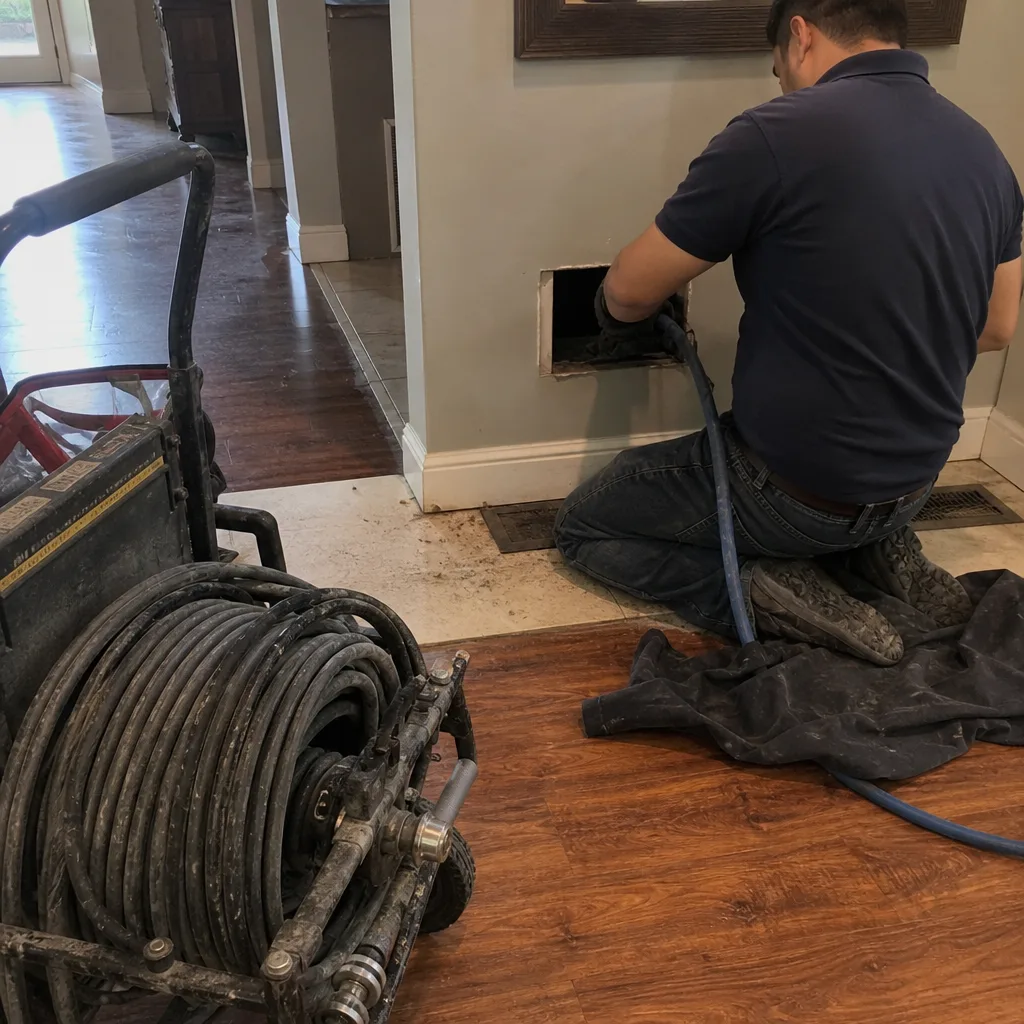 Before
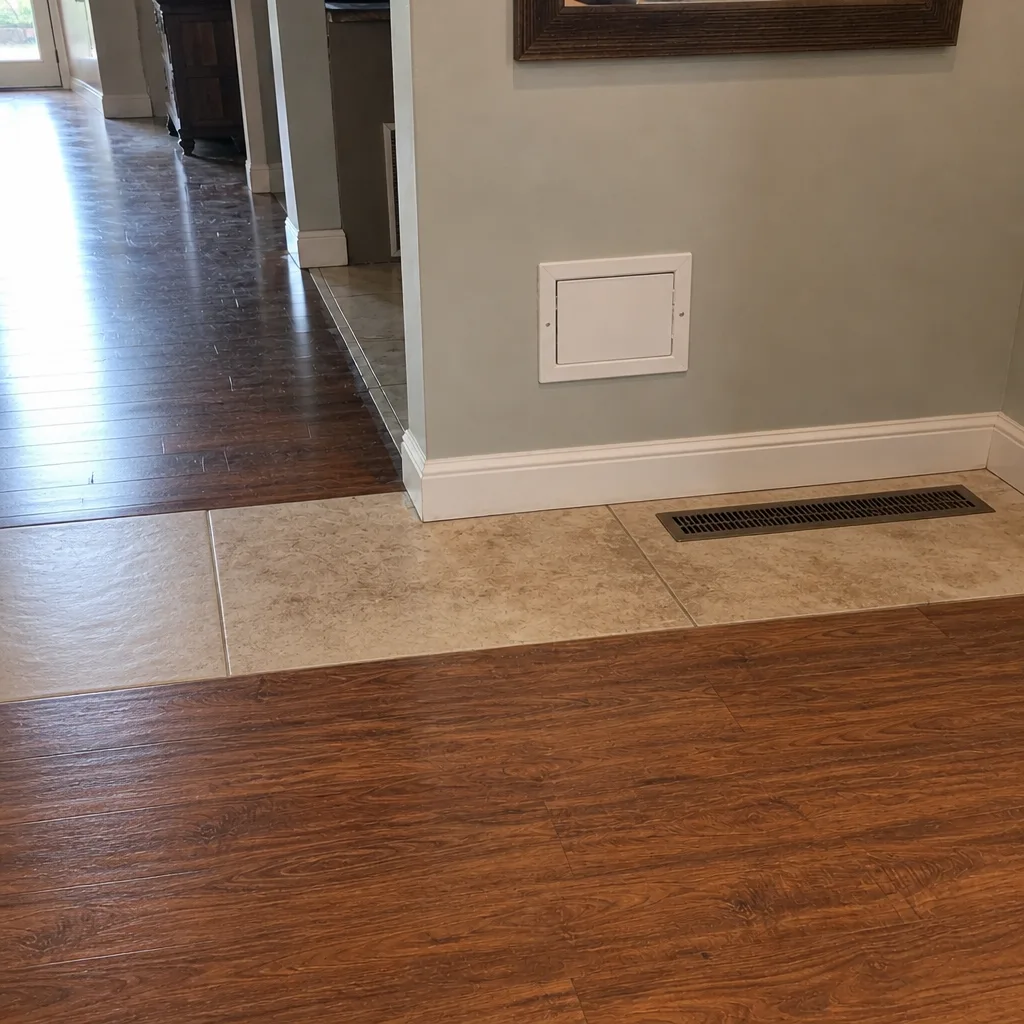 After
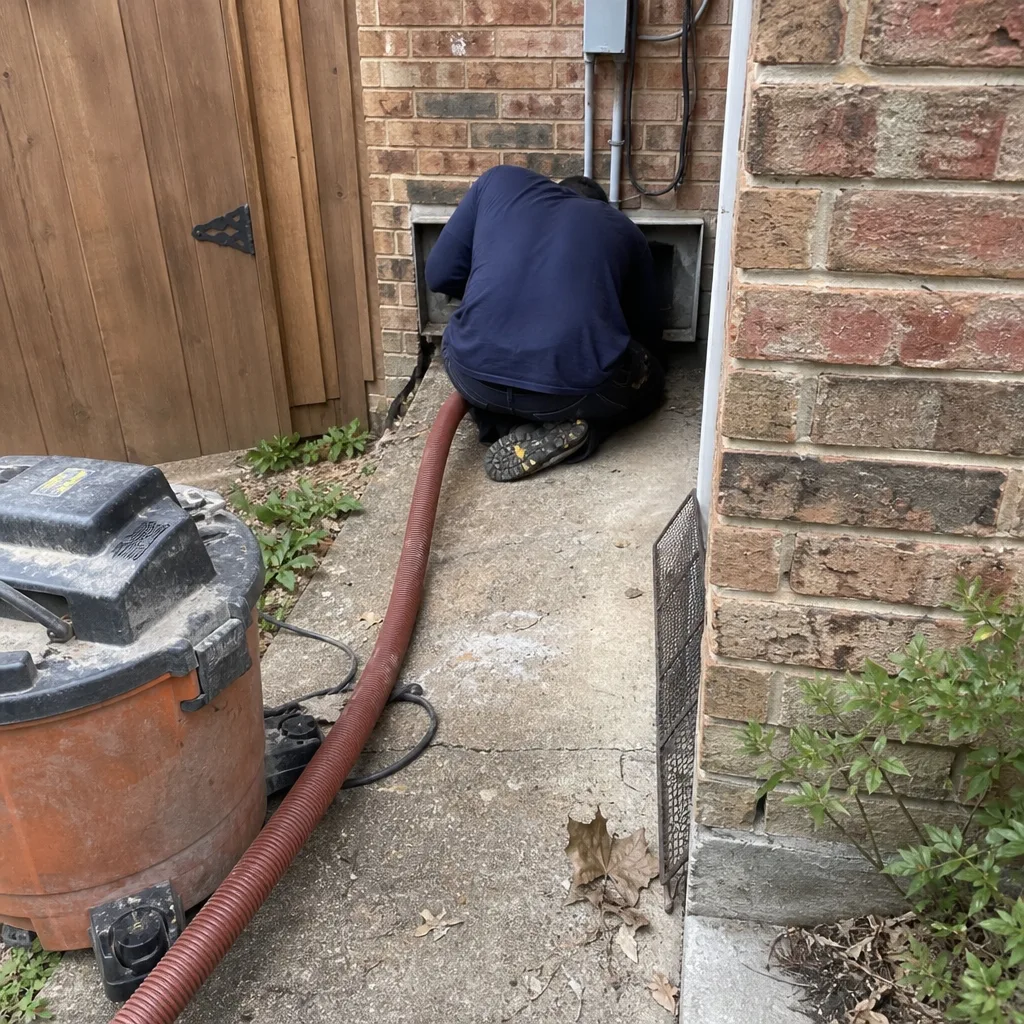 Before
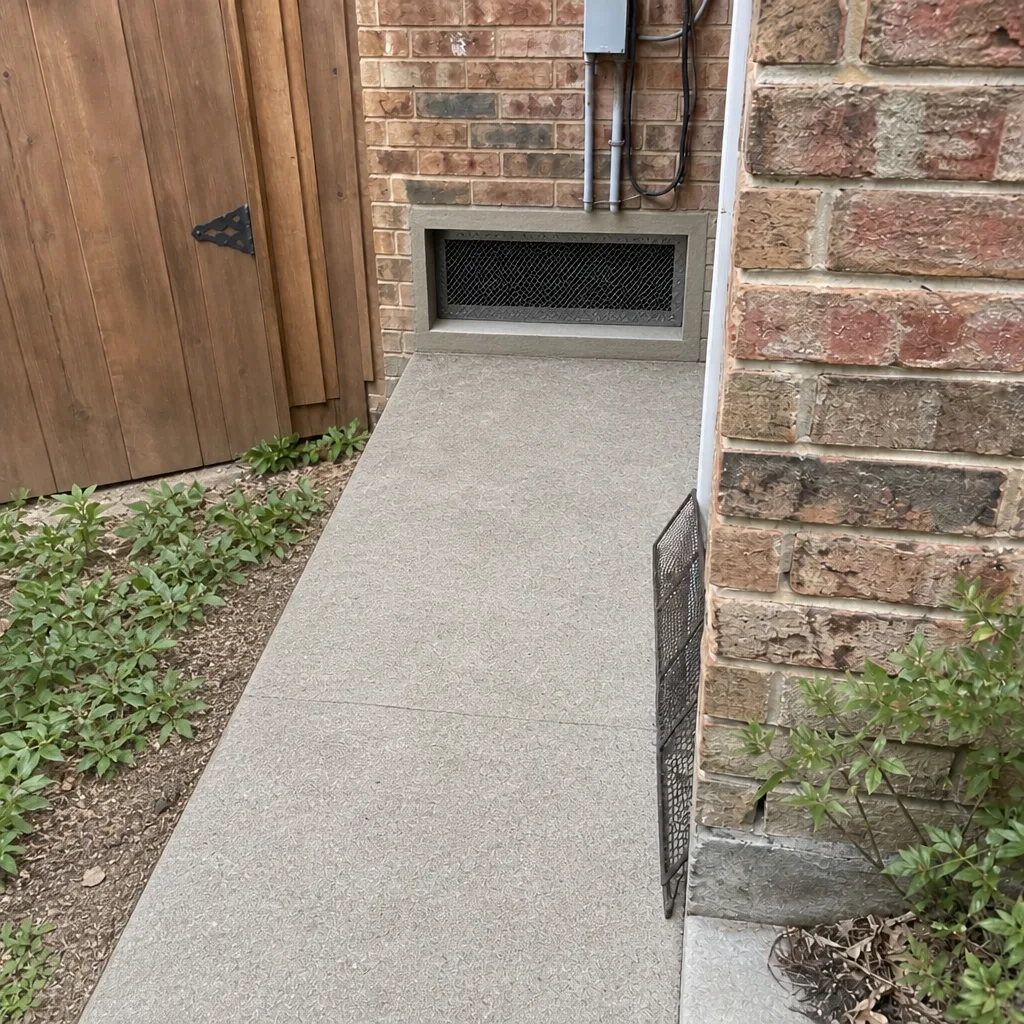 After
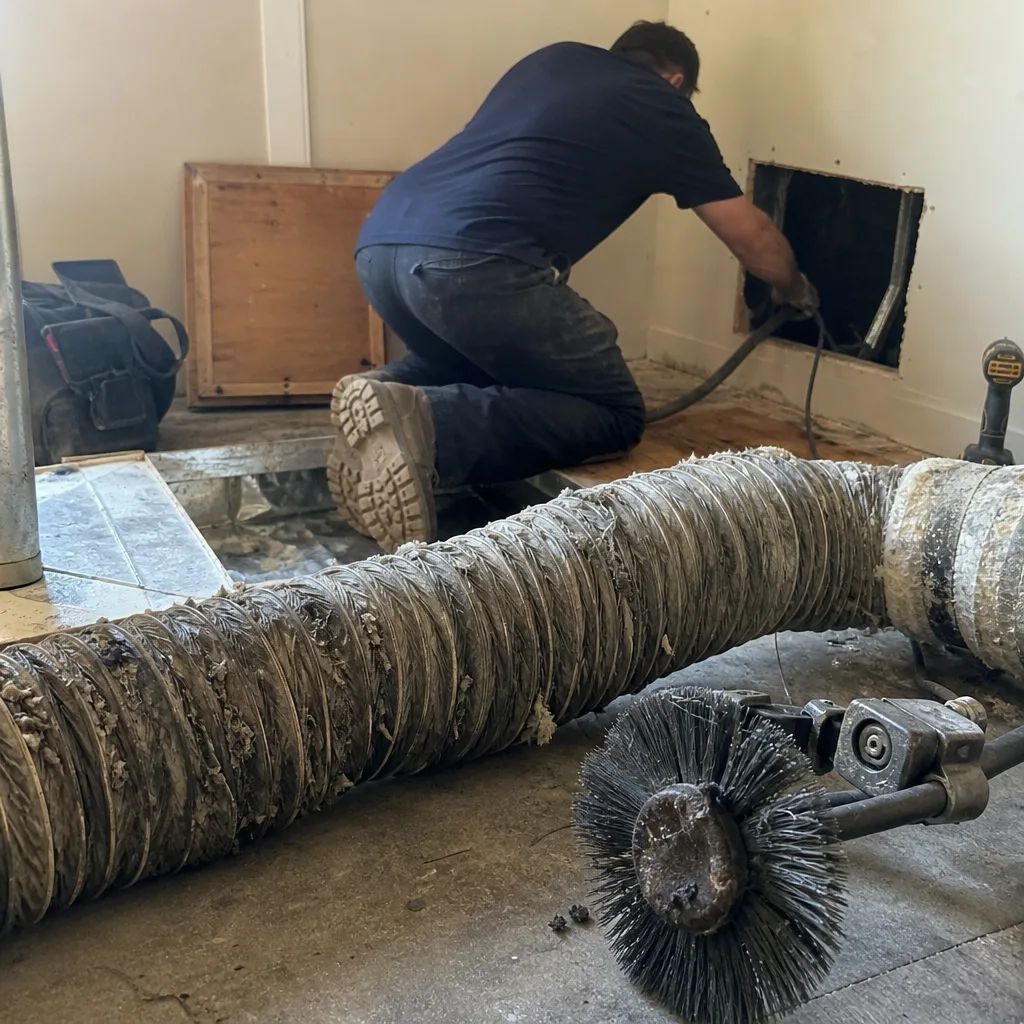 Before
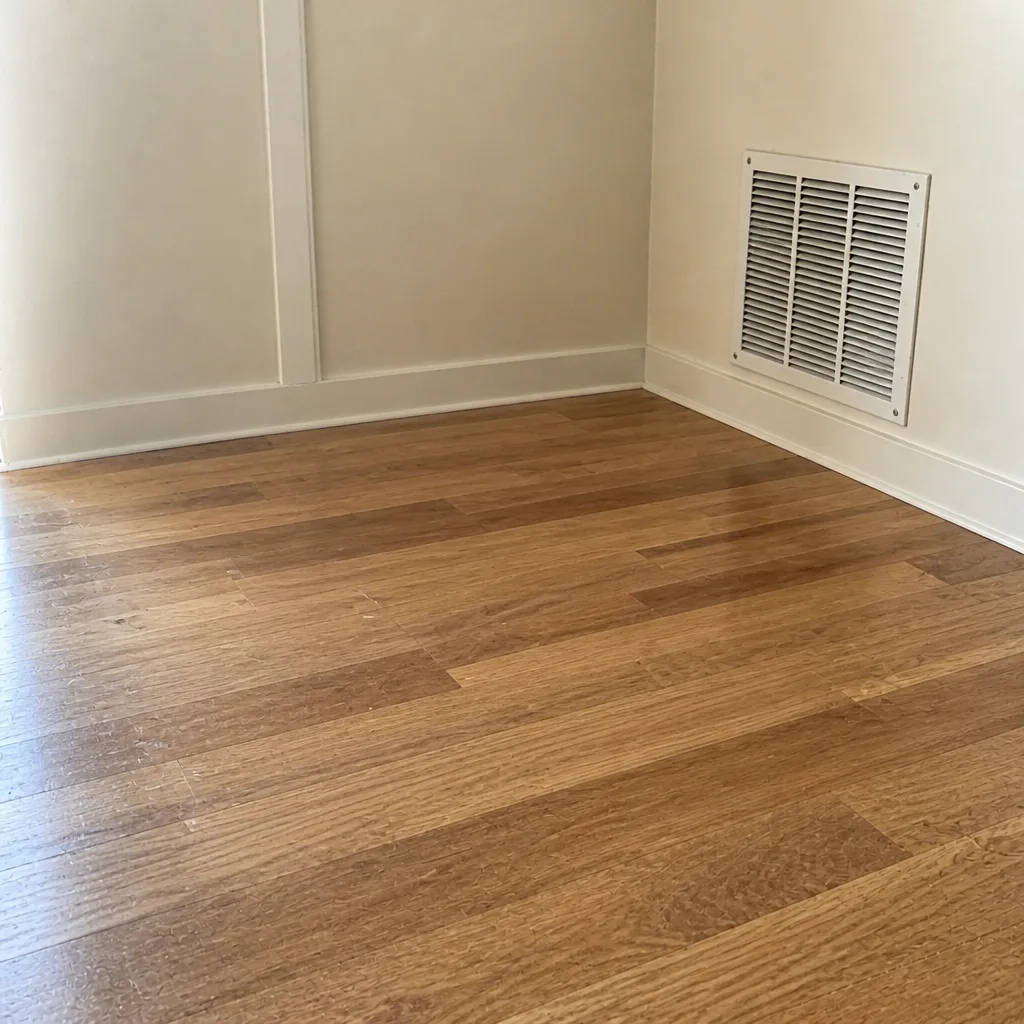 After
When to Call a Professional
Call a professional after any storm that breached your roof, shifted your attic access, or pushed water into your attic or crawl space, even if nothing looks obviously wrong. Call immediately if you see water stains around the air handler, smell something musty from a return grille, hear the system rattling or short-cycling after a storm, or notice visible duct damage in the attic. If you’re not comfortable getting into the attic yourself, don’t; the assessment is the job. For homes in the Arlington area, Paragon Air Duct Cleaning offers free estimates in Arlington, and we can work with your insurer on documentation. Call (844) 787-8766 to schedule an assessment. We answer 24/7. Fast dispatch from 7am to 7pm, Sunday through Friday. Our technicians have up to 12 years of experience, and we use professional-grade equipment from Rotobrush and Nikro on every job.
Frequently Asked Questions
You can usually run it if you’ve done the full inspection and found nothing breached and nothing wet. The key phrase is “done the full inspection.” Most homeowners check the roof and the windows, but skip the attic access point, the return grilles, and the air handler. If you can’t safely reach those, have someone inspect before you restart the system. A single operating cycle is long enough to distribute contamination through every room if the attic has a penetration.
Plan on roughly 48 to 72 hours. That’s the window where professional drying, cleaning, and repair usually prevent mold from taking hold on duct materials. After that, the wet materials may need to be replaced rather than cleaned. North Texas humidity and warm attic temperatures shorten the useful window, so don’t assume you have the full three days. Call (844) 787-8766 for an exact quote; estimates are free.
Photograph the attic access, the air handler cabinet (including any water staining), every return air grille, and any visible duct damage. Add a dated written note describing what you saw and when. The cleaning itself removes the physical evidence your adjuster needs, so photos have to come first, and the records are yours to keep. If you need a written inspection summary, ask the specialist to provide one with the assessment.
A low quote usually reflects a narrower job: a surface pass, fewer components addressed, or no structural repair. It may also mean a company with equipment that isn’t built for post-storm contamination. Ask what equipment they use, whether they’ll inspect for structural damage before cleaning, and whether you’ll get before-and-after photos of your own system. The written estimate should spell out exactly what’s included. Call (844) 787-8766 and we’ll give you an honest whole-system estimate; estimates are free.
Both, usually, and in that order. Cleaning a system with a torn return duct or a disconnected run only works until the system runs again. The repair fixes the pathway; the cleaning removes what got in. When our technicians assess a system, they look for structural faults first. If the ducts are sealed and intact after a storm, cleaning alone may be all you need.
Prioritize the return air side and the air handler area, because those pose the highest health risk if contaminated. Don’t run the system if you suspect either is compromised; isolate the section and use fans or a temporary cooling plan until it’s assessed. You can schedule the full cleaning later. Call (844) 787-8766 and we’ll help you prioritize what can wait.
The Bottom Line
After a severe storm in Arlington, don’t restart the HVAC before you’ve inspected the attic access, the return grilles, and the air handler for breach or moisture. If you find water in any duct section, stop the system and treat the first 48 to 72 hours as the window for preventing mold. Photograph everything before any cleanup, because the insurance record comes first. When resources are tight, prioritize the return side and the coil area. Clean ducts start with the right tools, and we don’t just clean, we repair; the structural faults that let contamination in are the ones that keep it coming back. Our team uses Rotobrush and Nikro equipment, and professional-grade gear runs on every job.
If your home is in Arlington and you’re not sure where to start, call (844) 787-8766 for a free estimate. We answer 24/7. Fast dispatch from 7am to 7pm, Sunday through Friday.
Written by the team at Paragon Air Duct Cleaning.