
Last updated November 15, 2026
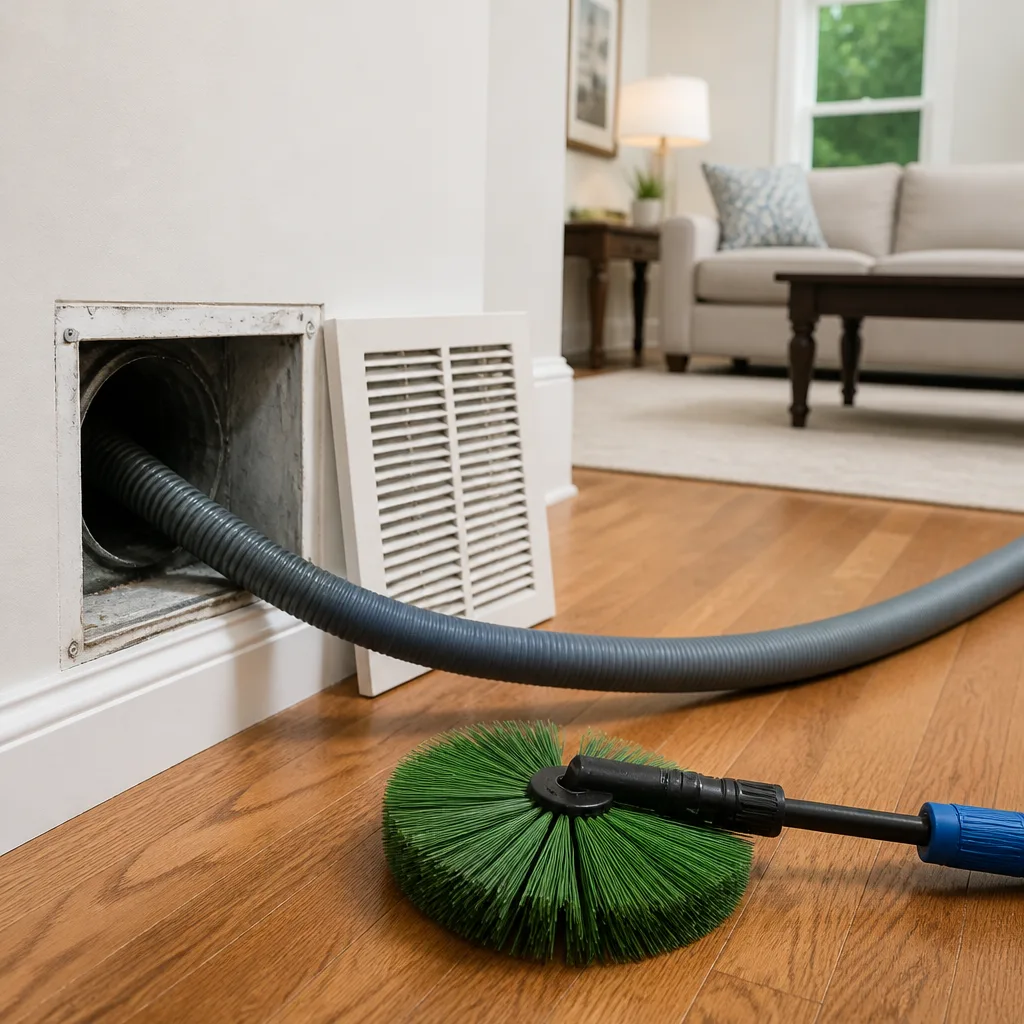 Whole-home duct cleaning
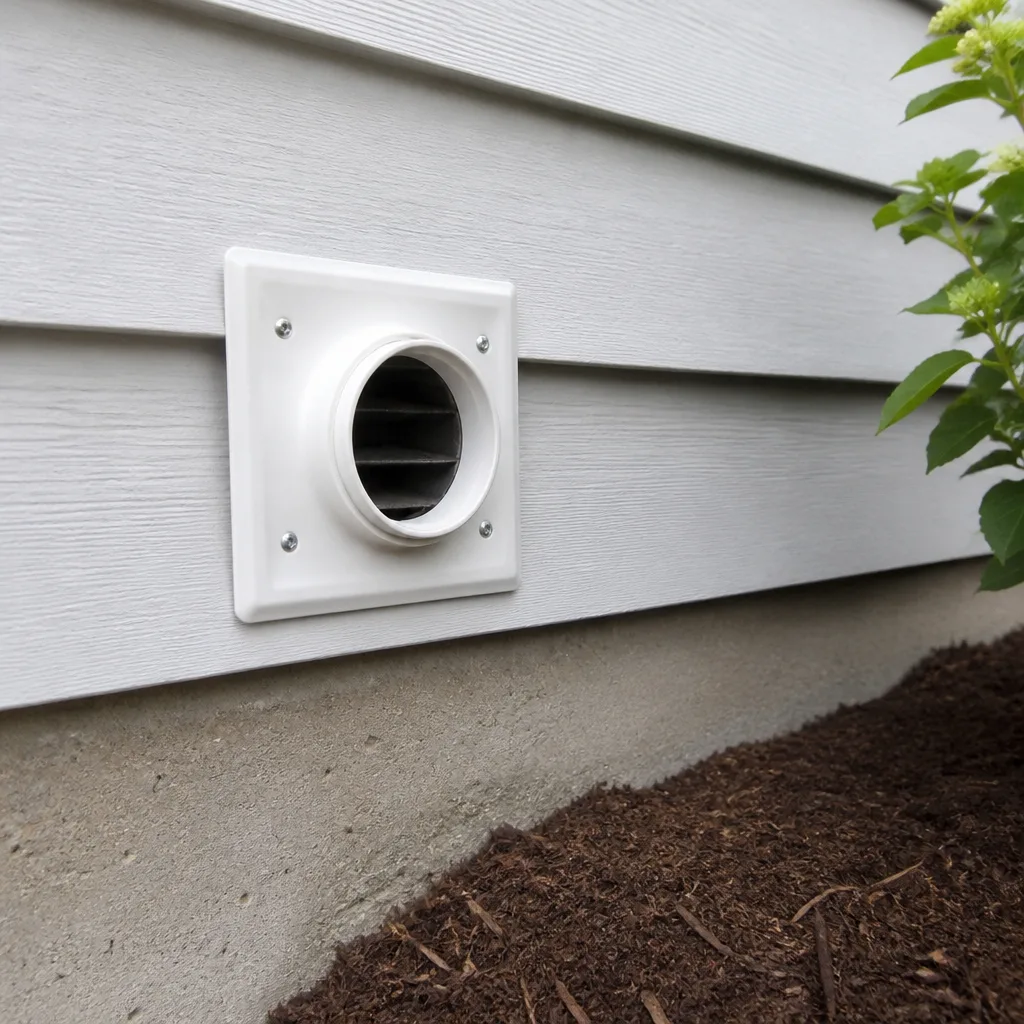 Dryer vent cleaning
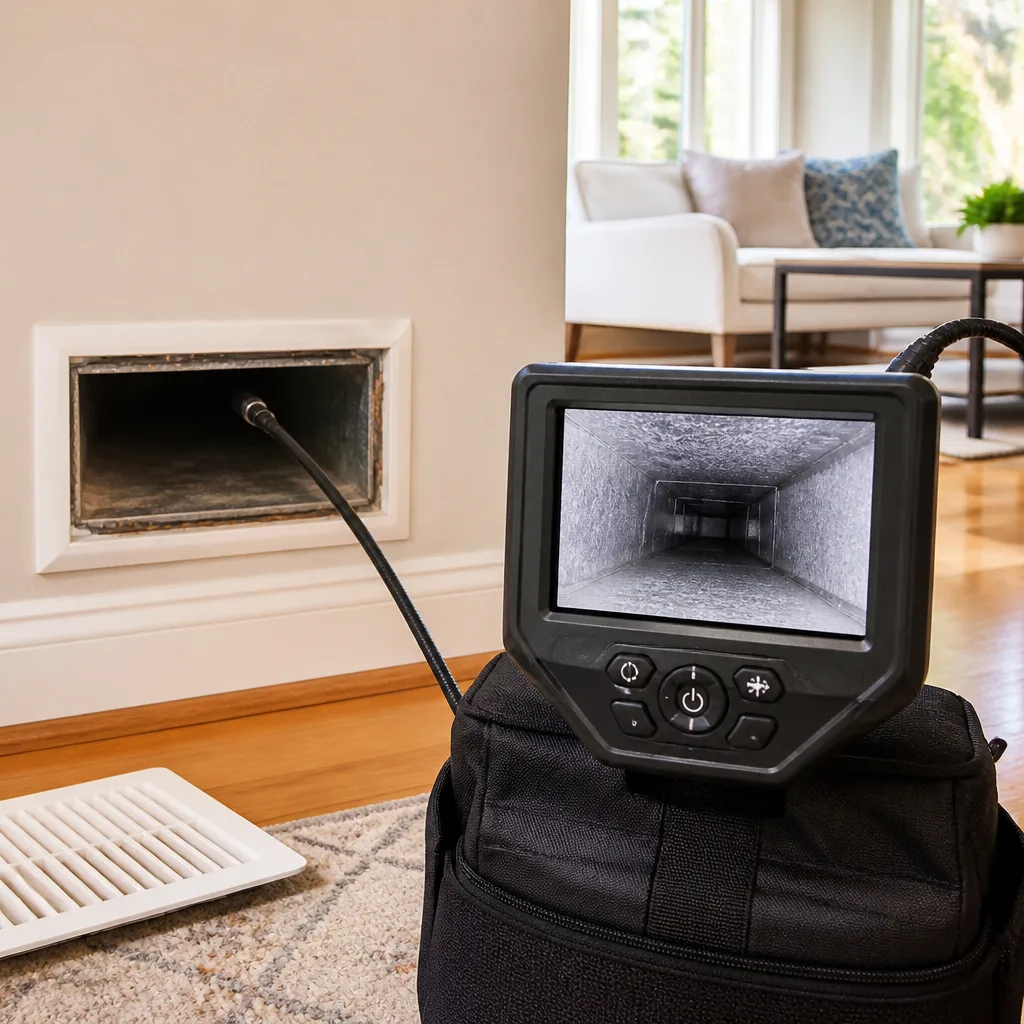 Camera inspection
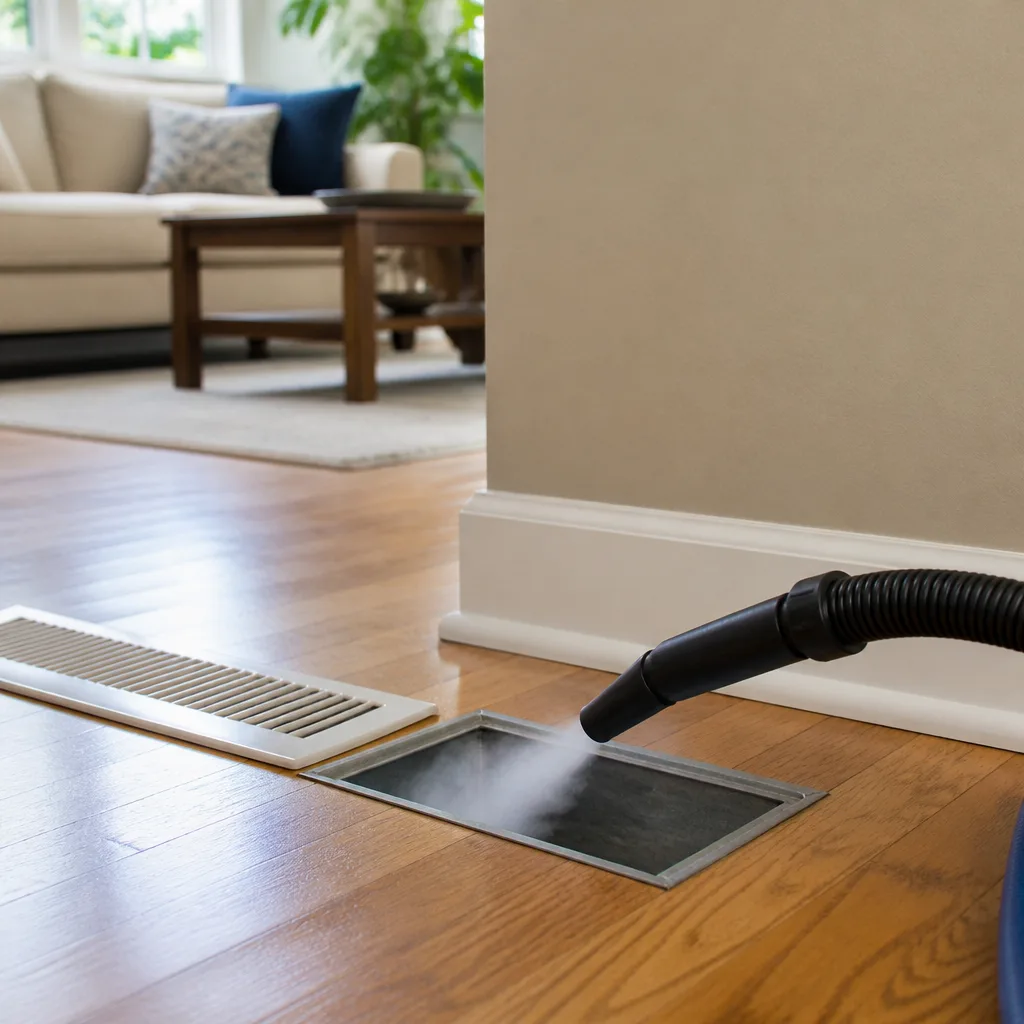 Sanitizing & deodorizing
Whole-system duct and dryer vent check with before-and-after photos - you see exactly what came out of your vents
That "$99 whole-house special" is a bait ad - the real number appears once they are in your hallway, or the "clean" is a shop-vac at the register. We photograph the inside of your ducts before and after instead.
Air Duct Cleaning Maintenance Schedule: What to Do and When
The standard “clean every 3 to 5 years” advice was written for a median American home, not a DFW household running its HVAC system 10 months out of the year with a dog and a recent kitchen remodel. That single interval is why some homeowners in Arlington get their ducts cleaned and find almost nothing, while a neighbor in the same ZIP code fills a vacuum bag with drywall dust and pet hair. The variables matter more than the calendar. This guide replaces the generic interval with a decision-based schedule tied to pets, allergies, renovation activity, system age, and attic conditions. You’ll get the baseline, the accelerators, the tasks you can handle between cleanings, and a simple way to log it all.
Quick Answer
Most homes should have air ducts professionally cleaned every 3 to 5 years, but households in Arlington with pets, recent renovations, allergy sufferers, or systems older than 10 years should shorten that to every 2 to 3 years. Between professional cleanings, change filters every 90 days (every 60 days with pets or heavy pollen), vacuum supply and return registers monthly, and do a visual check of accessible duct runs and insulation each season. Log each task so future technician assessments start with real history.
Styles & brands we work with
- Whole-home duct cleaning
- Dryer vent cleaning
- Camera inspection
- Sanitizing & deodorizing
Table of Contents
- The Baseline Schedule: Why 3 to 5 Years Is a Starting Point, Not a Rule
- What Shortens the Interval: The Four Accelerators
- A Tiered Scheduling Framework for Arlington Households
- Tasks You Can Do Between Professional Cleanings
- How Arlington’s Pollen Season and Construction Activity Affect Your Ducts
- Dryer Vent Cleaning as a Parallel Maintenance Task
- Building a Maintenance Log That Actually Helps
- System Age and Attic Insulation: The Variables Homeowners Miss
The Baseline Schedule: Why 3 to 5 Years Is a Starting Point, Not a Rule
The 3-to-5-year recommendation comes from industry guidance that assumes average use, average filtration, and average occupancy. None of those three descriptors apply to most homes in North Texas. From May through September, HVAC systems in Arlington run nearly continuously. Shoulder months keep them cycling into October and often start again in March. That’s closer to 10 months of active air movement than the 5 to 6 months a northern climate sees. More air movement means more debris captured at the return, more dust settling in the supply runs, and a shorter practical interval between cleanings.
So the baseline does hold – just not on the timeline you might have read. A two-person household in a well-sealed home with no pets, a clean return, and a system under 5 years old can stretch to the 5-year end of the range. A family of five with two dogs, a HEPA filter, and a house approaching 15 years old is far closer to 3 years, sometimes 2. Our technicians have up to 12 years of experience and the pattern is consistent: the calendar doesn’t decide when ducts need cleaning. Contamination does.
What actually triggers a cleaning is accumulation, and accumulation is measurable. A drop in airflow at specific registers, visible dust streaks around supply vents, a musty smell when the system starts, or a filter that darkens faster than it used to – each of those is more useful than the number of years on the calendar. If you’re noticing any of them, the schedule has already accelerated whether or not you noticed.
If you’ve never had the ducts professionally cleaned, start with an air duct cleaning assessment rather than guessing at an interval. A proper inspection tells you where you stand. From there, everything else in this guide is about how to keep that baseline right.
What Shortens the Interval: The Four Accelerators
Four household conditions reliably shorten the gap between cleanings, and each one compounds the others. Identify which ones apply to your home and use them to adjust the baseline down.
1. Pets. A single indoor pet roughly doubles the volume of hair and dander entering the return air stream. Two or more pets, especially double-coated breeds, push the practical interval down by a year or more. Pet hair also clings to the interior of flexible duct runs, which makes it harder to remove with a routine pass and often justifies the higher-powered approach. Pet owners in Arlington should treat 2 to 3 years as the working interval.
2. Allergy and asthma households. When someone in the home reacts to dust, the stakes rise. Cleaning itself can stir up more than it removes if the equipment isn’t up to the job, which is one reason professional-grade vacuum rigs like Nikro high-powered units matter here. Allergy households usually land at 2 years, occasionally sooner if symptoms build through pollen season. Paragon Air Duct Cleaning uses equipment from Rotobrush and Nikro specifically because consumer tools don’t pull settled debris out of the system.
3. Recent renovation. Drywall dust, sawdust, insulation fibers, and construction debris all find their way into ductwork during a remodel, even with plastic sheeting in place. Plan a cleaning right after the final coat of paint, not before. Doing the cleaning first and the renovation second simply means the ducts are contaminated again by the time the last contractor leaves. From that post-renovation cleaning, restart your interval.
4. Older systems and attic duct condition. Ductwork that’s 15 years or older is more likely to have loosened joints, disconnected runs, or insulation that’s shed into the interior. Contamination accelerates when the system is pulling attic air through gaps. A repair assessment can catch those problems before they turn a 3-year interval into an annual one. If you’ve never had your ducts inspected, an older Arlington system is the strongest single reason to schedule one.
A Tiered Scheduling Framework for Arlington Households
The single most useful thing you can do is place your home in a tier. Here’s the framework we use when we walk through a house in Arlington and need to explain the recommended interval honestly.
Tier 1 – Standard baseline: clean every 4 to 5 years. No pets, no allergy concerns, one or two occupants, system under 10 years old, and a filter changed on schedule. These homes still accumulate debris, but slowly.
Tier 2 – Moderate use: clean every 3 years. One pet, or kids in the home, or a system 10 to 15 years old, or a return near a kitchen or laundry that pulls in everyday dust. Any two of those together and you’re here.
Tier 3 – Accelerated: clean every 2 years. Two or more pets, an allergy or asthma diagnosis in the household, a home that’s had a renovation in the last two years, or ductwork 15 years or older without a prior cleaning on record. This is a large share of the homes we see.
Tier 4 – Active concern: annual inspection, cleaning as needed. Recent water intrusion into the attic, visible mold growth inside a duct run, or a system that’s been offline for a long time before being brought back into service. These homes need eyes on the ducts every year, not just a calendar entry.
If you don’t know which tier you’re in, ask during an estimate. Anyone who can’t explain the reasoning behind a recommended interval is working from the brochure, not from your ducts. When we quote a job, we walk the returns and supplies, look at filter history, and tell you which tier we’d put your home in – not because we want you to clean more often, but because a schedule you can trust is one you’ll actually follow.
Tasks You Can Do Between Professional Cleanings
The interval only works if the home is doing its part between visits. These are the tasks you can safely handle yourself, in order of importance. None of them involves opening the sealed portion of the duct system.
- Change the filter. Every 90 days standard, every 60 days if you have pets or if you’re in the middle of a pollen-heavy stretch. Check the arrow on the edge of the filter pointing in the direction of airflow. A filter loaded with dust starves the system and pushes dust past the frame.
- Vacuum supply and return registers. Once a month, remove the grille where it’s easily detachable and vacuum the visible surface with a brush attachment. Don’t reach into the duct itself; you can loosen debris and pull it deeper. What you see at the grille is a reliable indicator of what’s underneath.
- Wipe down return-air grilles. Returns pull in the dustier air, so their grilles load up first. A damp microfiber cloth monthly handles it. If the grille darkens within a week of cleaning, the filter is failing or the return is undersized – worth flagging to a technician.
- Do a seasonal visual check. Each spring and fall, look at accessible duct runs in the attic and near the air handler. You’re checking for disconnected joints, visible tears in the insulation jacket, and settled debris around connections. If you see anything, stop and call a professional; don’t try to reconnect duct runs yourself.
- Keep the return clear. Furniture, rugs, and storage pushed against a return grille change the whole system’s airflow. A clear 6-inch perimeter on every return is a maintenance task nobody talks about but everybody should do.
- Log the dates. We cover the log in its own section, but the short version: write down every filter change and visual check. The next technician assessment takes minutes instead of an hour when the history is on paper.
Notice what’s not on that list. Anything involving the sealed duct interior, the air handler interior, or the return plenum. Those are professional territory, and getting them wrong can do more damage than leaving them alone.
How Arlington’s Pollen Season and Construction Activity Affect Your Ducts
Arlington sits in a stretch of North Texas with a long, active pollen calendar. Tree pollen typically leads in late winter into early spring, grass pollen follows through the warm months, and weed pollen carries into fall. Because the HVAC system runs through most of that, the return air is pulling pollen in for weeks at a time, and the filter is the only thing standing between it and your ducts. A 90-day filter change during heavy pollen season is often the single biggest lever a homeowner has. During peak weeks, checking the filter every 30 days instead of every 90 is worth the effort.
Construction activity is the second local variable. Communities like Pantego and Dalworthington Gardens, both surrounded by or adjacent to Arlington, have seen consistent building and remodeling activity. Any home within sight of an active construction site is pulling in more airborne particulate than the neighborhood next door. If there’s dirt moving on your street, expect your filter to load faster, your returns to darken sooner, and your tier to creep up by one step for the duration of the project. Schedule a cleaning after construction settles, not before.
Housing age in Arlington adds a third local layer. The city has a wide mix of housing stock, from newer construction to mid-century homes where original ductwork may still be in place. Homes in the older sections of Arlington commonly have duct runs placed in the attic where summer heat is brutal. That combination of age and exposure is exactly what pushes a home from the 4-year tier into the 2-year tier. If your neighborhood has a lot of homes built before the 1990s, ask about an inspection even if nothing seems wrong – the ducts often tell a different story than the rooms do.
For neighborhood-specific context and everything else about how we serve the city, our Arlington page covers the local detail. The pattern we’re describing isn’t unique to one ZIP code – it’s a general DFW pattern – but the combination of housing age and construction activity in Arlington makes it more pronounced than you’d find in a static suburb.
Dryer Vent Cleaning as a Parallel Maintenance Task
Duct cleaning and dryer vent cleaning share timing triggers even though they’re separate systems. Both collect lint-like debris. Both benefit from a schedule rather than reactive calls. And both are fire-safety relevant for the dryer vent in a way the ducts aren’t. Industry safety guidance treats dryer vents as one of the leading causes of residential fires, and the accumulation that makes them dangerous happens quietly – there’s no alarm, only reduced airflow and a dryer that takes longer than it used to.
Here’s the practical overlap. When you schedule an annual or every-two-year assessment for the ducts, schedule the dryer vent cleaning for the same visit. Both share triggers: a new home purchase, a new appliance install, an increase in occupants or loads of laundry, or the simple arrival of the anniversary date on your maintenance log. If your dryer takes two cycles to dry a load that used to take one, the vent is overdue whether or not it’s on the calendar.
What to check between professional cleanings:
- Dryer time. A single cycle should dry a normal load. Two cycles is the warning sign.
- The exterior vent flap. With the dryer running, the outside flap should open freely. If it barely moves, airflow is restricted.
- Lint behind and under the dryer. Visible buildup outside the vent line is a sign the whole system needs professional attention.
- The transition hose. The short hose connecting the dryer to the wall is the most common point of failure. Crushed or flexible foil hoses kink and trap lint; a rigid or semi-rigid metal transition is the safer standard.
Don’t try to clean the full length of the vent yourself. The run through the wall and out the roof or exterior wall needs a powered brush and a proper vacuum to clear, and improper cleaning can push lint to a point where it packs tighter than it already was. This is one of the services we consider a dedicated safety task, not an add-on – which is why we schedule it as its own job and walk the full run, not just the accessible end.
Building a Maintenance Log That Actually Helps
You do not need an app. You need a single sheet of paper, a pen, and a habit. A maintenance log that lives in the same place as your filter supply or your HVAC folder saves time on every future service call, and it changes what a technician can do once they arrive.
Here’s how to build one in five minutes:
- Start with what you know. Note the year the home was built, the approximate system age if you know it, whether the previous owner ever cleaned the ducts (if uncertain, write “unknown”), and any renovations you’ve done since moving in.
- Log every filter change. Date, filter size, filter type, and a note if the filter was unusually dark. That note is what tells a technician whether the interval needs shortening.
- Log every professional visit. Date, service performed, what the technician found. If they recommend a repair, note the recommendation even if you decided to wait.
- Log the triggers. Added a pet. Finished a bathroom remodel. Replaced the HVAC. Discovered attic moisture. Each of those resets the interval, and the log is where you track when.
- Note the visible warning signs. When a register started streaking. When the smell first appeared. The date is more useful than the observation because it tells a technician how long the issue has been developing.
Why bother? Because the hardest part of a duct-cleaning assessment is history. Without it, the technician is guessing from the state of the ducts alone. With it, they can tell you precisely which tier your home belongs in. In our experience, homes with a log get more out of every visit and schedule cleanings more accurately – not more often, but at the right moment.
Keep the log near the filter. That way it’s impossible to change the filter without seeing it, and the habit builds itself.
System Age and Attic Insulation: The Variables Homeowners Miss
Two variables almost never appear in generic duct-cleaning advice but consistently push Arlington homes into a shorter interval: system age and the condition of the attic duct insulation.
System age. A newer system with a properly matched filter and a clean install holds the baseline. An older system carries the accumulated history of every filter gap, every renovation, and every prior owner who ran it on the cheapest possible filter. Once a system passes the 15-year mark with no duct cleaning on record, assume it’s due. If it’s also pulling from a return that’s undersized or short, the accumulation worsens. Age alone isn’t the trigger; age plus no history is.
Attic insulation condition. In Arlington, most duct runs are in the attic, where summer temperatures are punishing. The insulation wrapping those runs – the foil or fiberglass jacket around the flexible duct – is what protects the conditioned air from the attic heat and keeps attic air out. When that jacket is torn, sun-degraded, or has slipped off a fitting, two things happen. The system pulls attic air (and attic dust) into the duct, and the loss of insulation creates condensation on the duct’s exterior in the milder months. Both accelerate contamination, and neither is visible from inside the house.
What to look for during a seasonal check: the duct jacket should be continuous from fitting to fitting, with no tears, no compressed segments, and no sections where the interior flexible duct is showing through. Where ducts run through attic floor penetrations, look for gaps around the boot. Any unsealed gap is a pathway. If you see anything like that, don’t try to repair it yourself – the fix requires a proper inspection to catch all the failures and re-seal them properly. Our air duct repair service exists precisely for these cases, and it’s the reason we rarely recommend cleaning alone in an attic-ducted Arlington home without also checking the runs. A cleaning that doesn’t address a disconnected run just means the next cleaning is sooner than it should be.
Common Mistakes to Avoid
- Cleaning on the calendar instead of the condition. Two homes in Arlington can be the same age and need cleanings two years apart. Ignoring the accelerators – pets, renovation, system age, attic condition – produces a schedule that either misses real problems or wastes money on unnecessary cleanings.
- Skipping the filter between visits. A premium filter that stays in for 12 months is worse than a basic filter changed every 90 days. Filter type matters far less than filter cadence, especially during North Texas pollen season.
- Cleaning right before a renovation instead of after. If drywall is going up in three weeks, wait. Cleaning before construction means paying for a cleaning the renovation immediately undoes.
- Assuming the dryer vent is fine because the dryer still runs. A dryer that still runs but takes twice as long is a warning, not a pass. Industry safety guidance treats dryer vents as a fire risk, and reduced airflow is the way the risk announces itself.
- Taking a quote without asking about the equipment. A low quote built around consumer-grade tools won’t pull settled debris out of the duct interior. Ask what system will be used; professional-grade equipment like Rotobrush rotary-brush systems and Nikro high-powered vacuum rigs is the sign that the quote is matched to the actual job.
- Ignoring attic duct condition. A cleaning job on a system with a torn duct jacket solves half the problem. If the ducting is leaking, contamination will return faster than it left. Ask about repair capability before you book cleaning.
- Skipping the log. Without written history, every assessment starts from zero. A simple sheet of paper turns a slow guess into an accurate interval, and it costs a minute per task.
See the difference
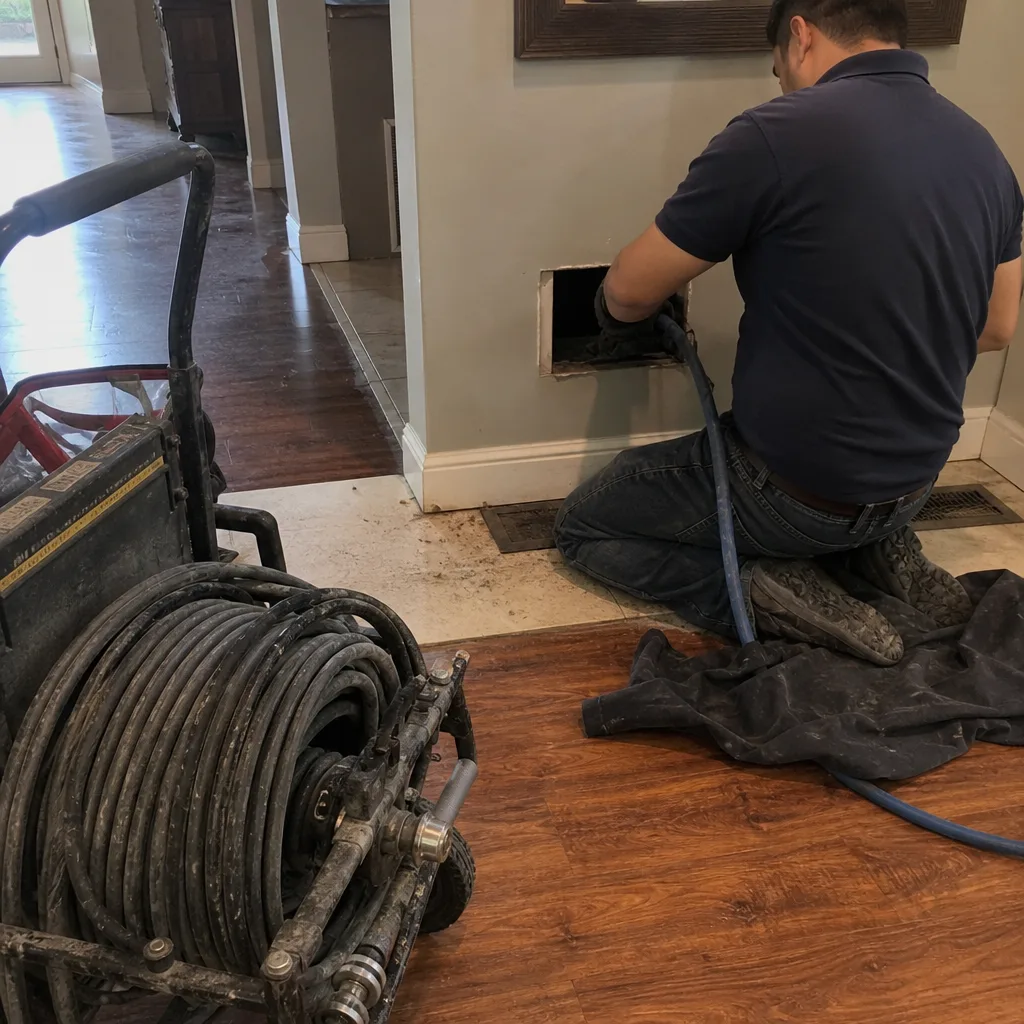 Before
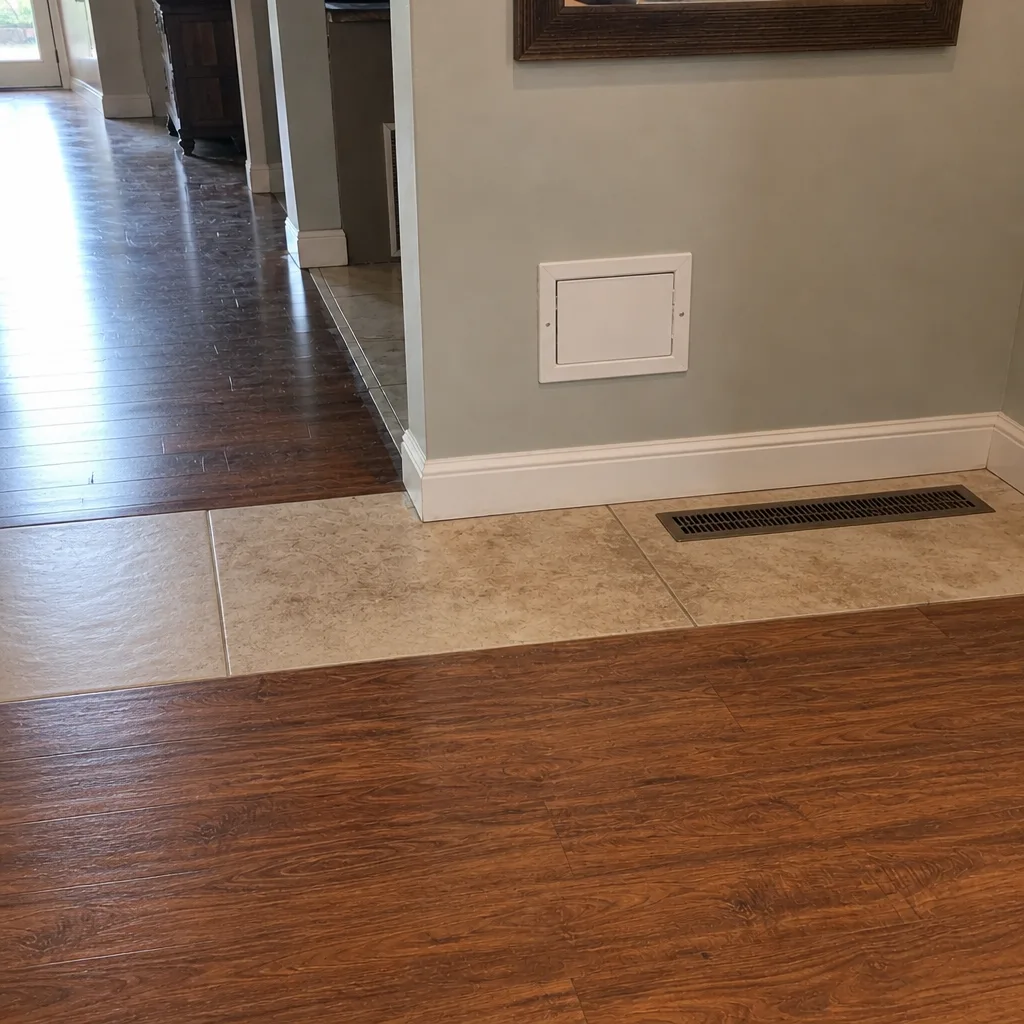 After
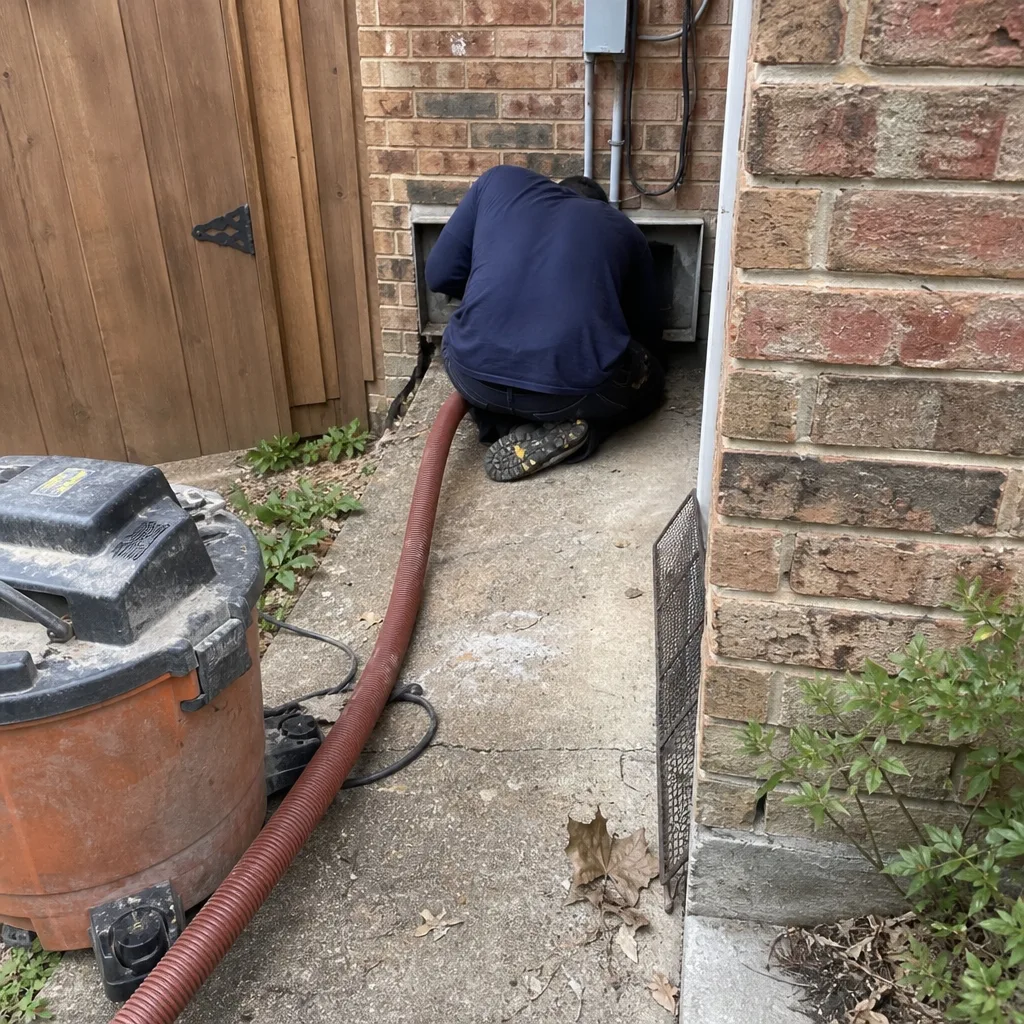 Before
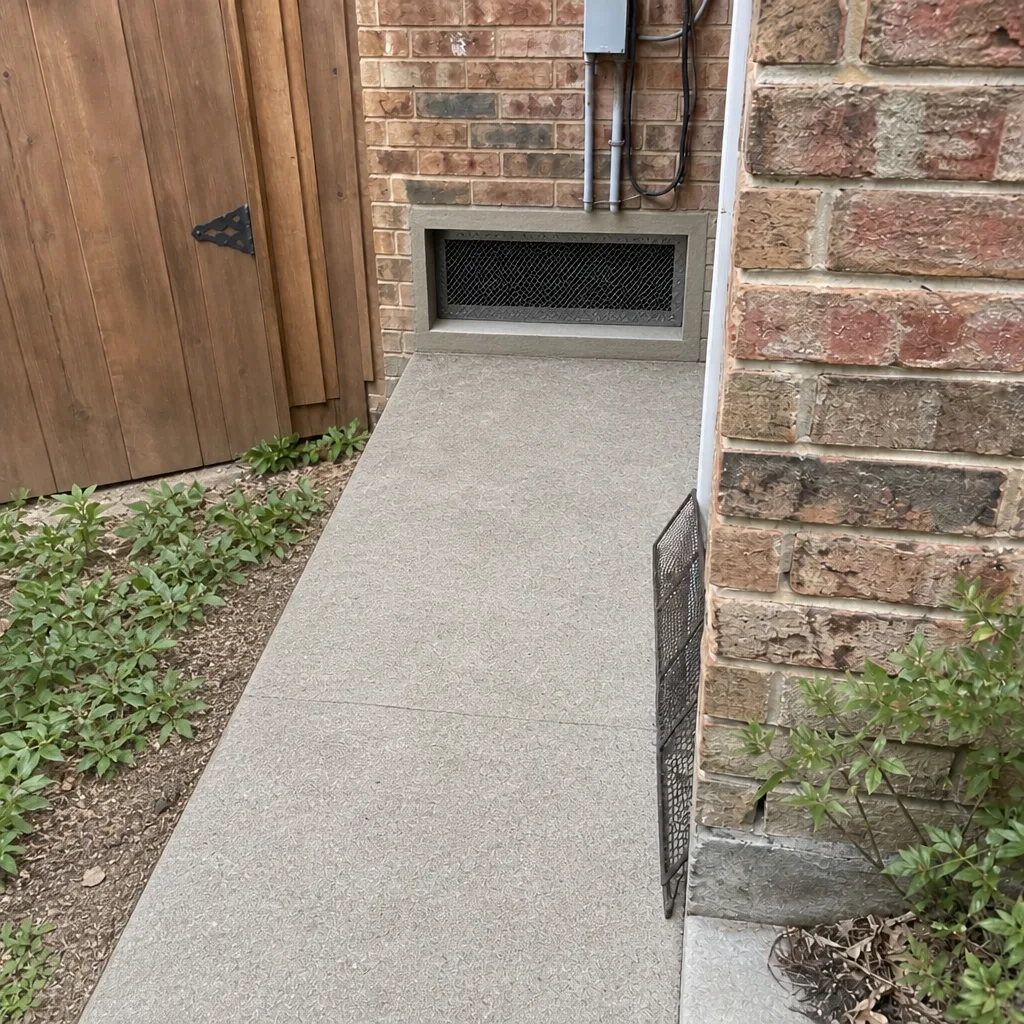 After
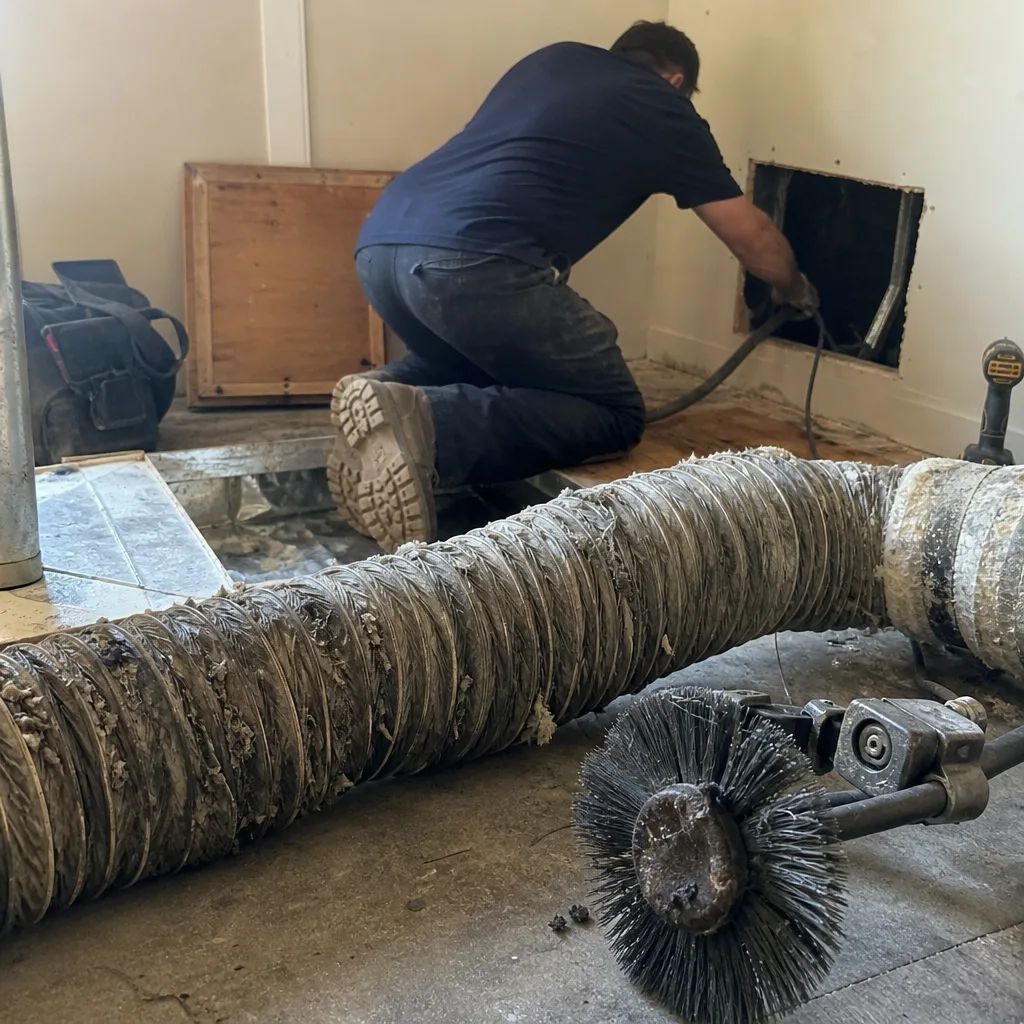 Before
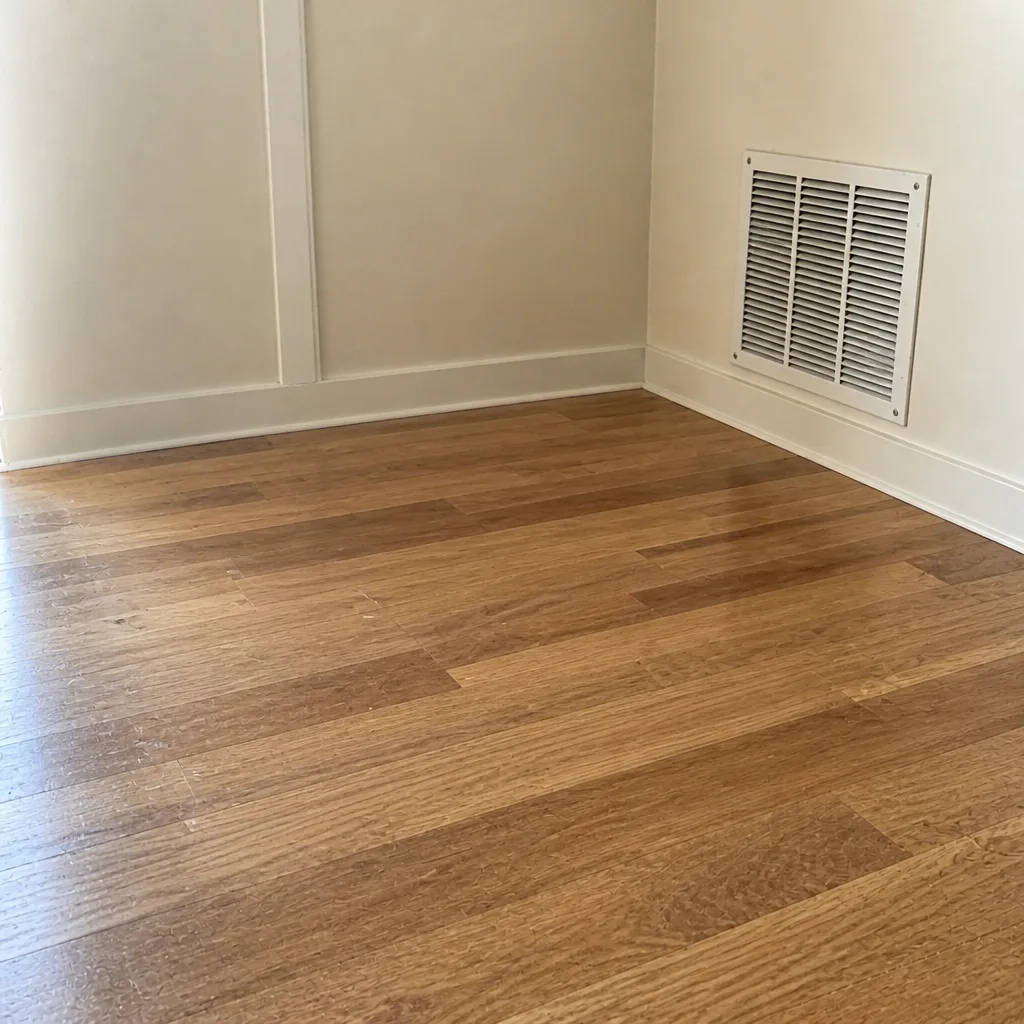 After
When to Call a Professional
Call us when you notice any of the following: visible dust streaks around supply or return registers that return within a week of cleaning; a musty or stale smell each time the system starts; increased allergy or asthma symptoms concentrated in one room; a filter that’s darkening noticeably faster than it used to; visible debris inside the return plenum; recent water intrusion into the attic near ductwork; or a home with ductwork that’s 15 years or older without any cleaning on record. Also call if you’ve finished a renovation, added a pet, or purchased a home with no service history. Paragon Air Duct Cleaning offers free estimates in Arlington – call (844) 787-8766. We answer 24/7. Fast dispatch from 7am to 7pm, Sunday through Friday.
Frequently Asked Questions
Most Arlington homes should be professionally cleaned every 3 to 5 years as a baseline, shortened to 2 to 3 years for homes with pets, allergy or asthma sufferers, recent renovations, or ductwork 15 years or older. The interval depends on how fast debris accumulates in your specific home, not on the calendar. Call (844) 787-8766 for an exact quote – estimates are free.
Often, yes – especially in North Texas, where the HVAC system runs nearly 10 months of the year. Homes with pets, recent construction activity nearby, or aging attic ductwork accumulate debris faster than the standard interval assumes. If your filter is consistently dark at the 90-day mark, your ducts are working harder than the baseline assumes. Call (844) 787-8766 for an exact quote – estimates are free.
Yes, and it’s worth doing. Change the filter every 90 days (60 with pets or heavy pollen), vacuum registers monthly, wipe return grilles, do a visual check of accessible runs each season, and keep a simple written log. These tasks don’t replace a professional cleaning, but they slow accumulation and give a technician real history to work from. Call (844) 787-8766 for an exact quote – estimates are free.
They share timing triggers but are separate systems, and the dryer vent is the higher safety priority. If your dryer takes two cycles to dry a load, the vent is overdue regardless of the calendar. Schedule dryer vent cleaning with your duct cleaning so the two don’t get forgotten separately. Call (844) 787-8766 for an exact quote – estimates are free.
Ask what specific equipment will be used and whether you’ll see photos of the duct interior before and after. Professional-grade rotary-brush and high-powered vacuum systems like Rotobrush and Nikro are the sign that the job is being done from inside the duct, not just at the grille. A written estimate with a clear scope protects you. Call (844) 787-8766 for an exact quote – estimates are free.
Yes. Drywall dust, sawdust, and insulation fibers all enter the duct system during a remodel, no matter how well the work area was sealed. Schedule the cleaning after construction finishes, then track the next cleaning from that date. A post-renovation cleaning resets your interval and removes debris that would otherwise circulate for years. Call (844) 787-8766 for an exact quote – estimates are free.
The Bottom Line
The calendar is a starting point, not a rule. Use the 3-to-5-year baseline as a foundation, then adjust down based on pets, allergies, recent renovation, system age, and attic duct condition. A typical Arlington home lands somewhere around every 2 to 3 years once the variables are accounted for. Between cleanings, filter changes and register vacuuming do the heavy lifting. Keep a simple written log so the next assessment starts with history instead of a guess. Pair dryer vent cleaning with the duct schedule, and take attic duct condition seriously – a cleaning on a leaking system solves half the problem. When in doubt, get a free estimate and let the ducts tell you what tier you’re in.
Written by the team at Paragon Air Duct Cleaning.