
Last updated November 15, 2026
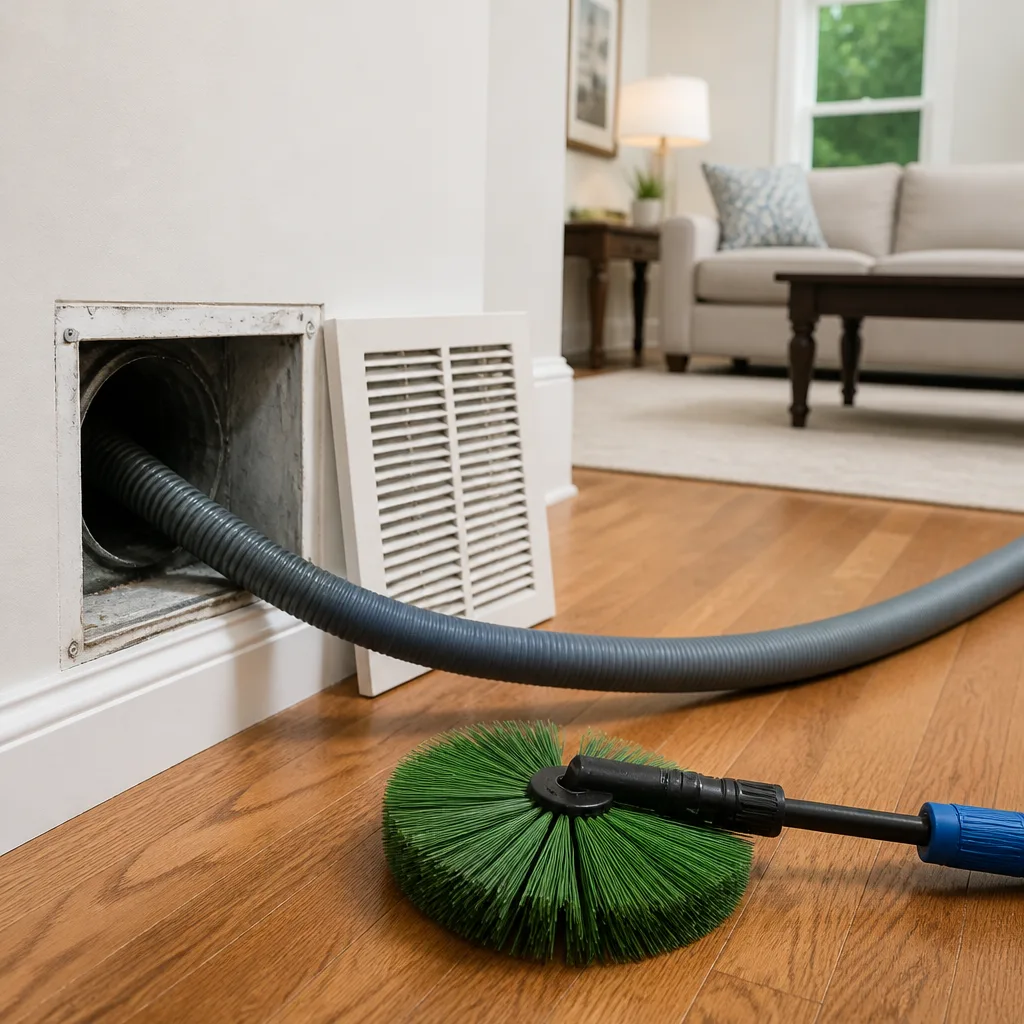 Whole-home duct cleaning
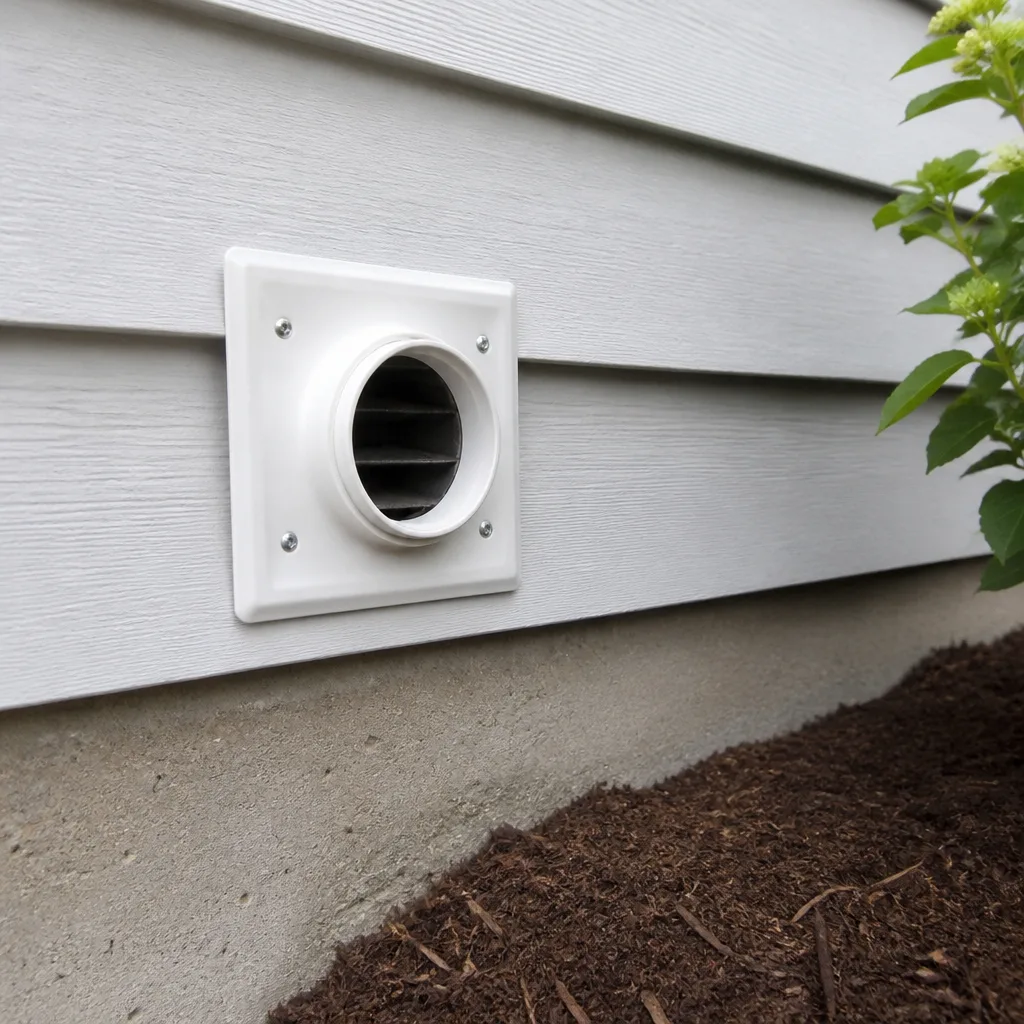 Dryer vent cleaning
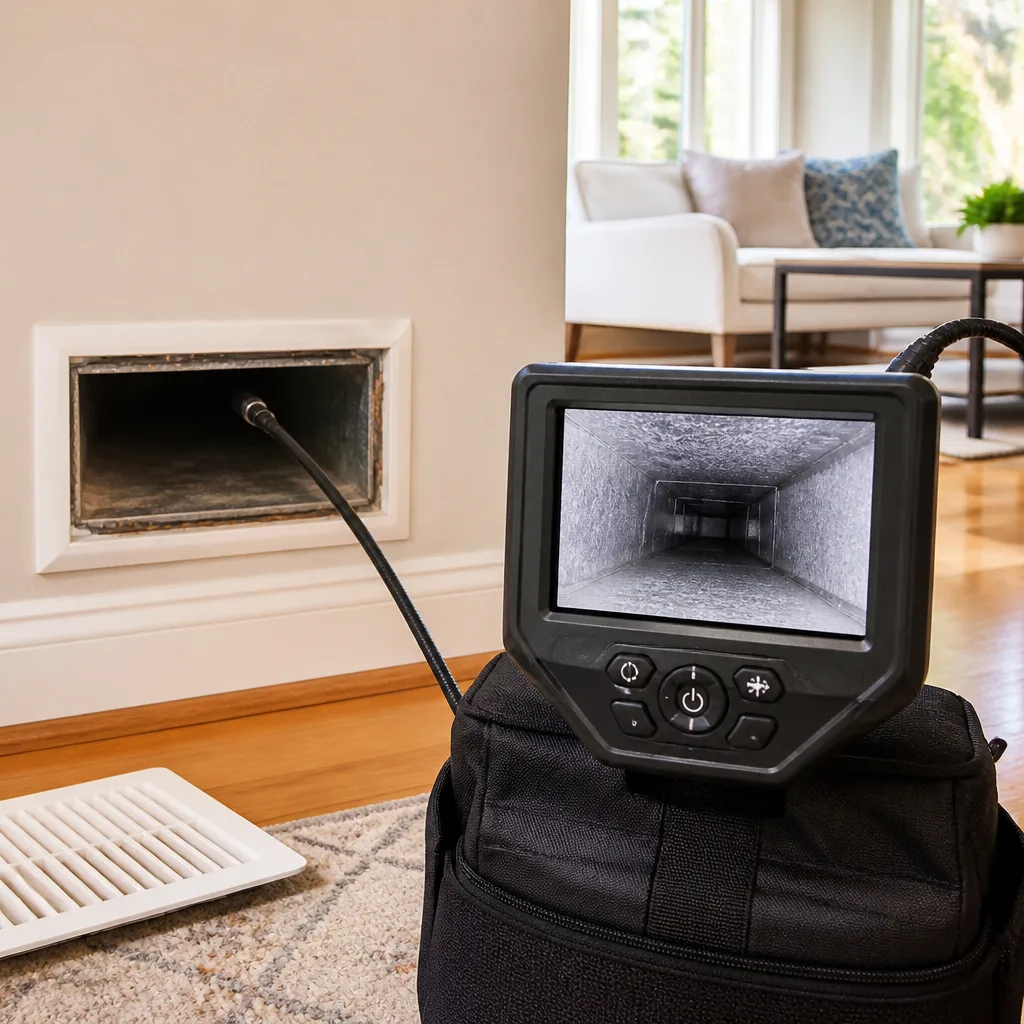 Camera inspection
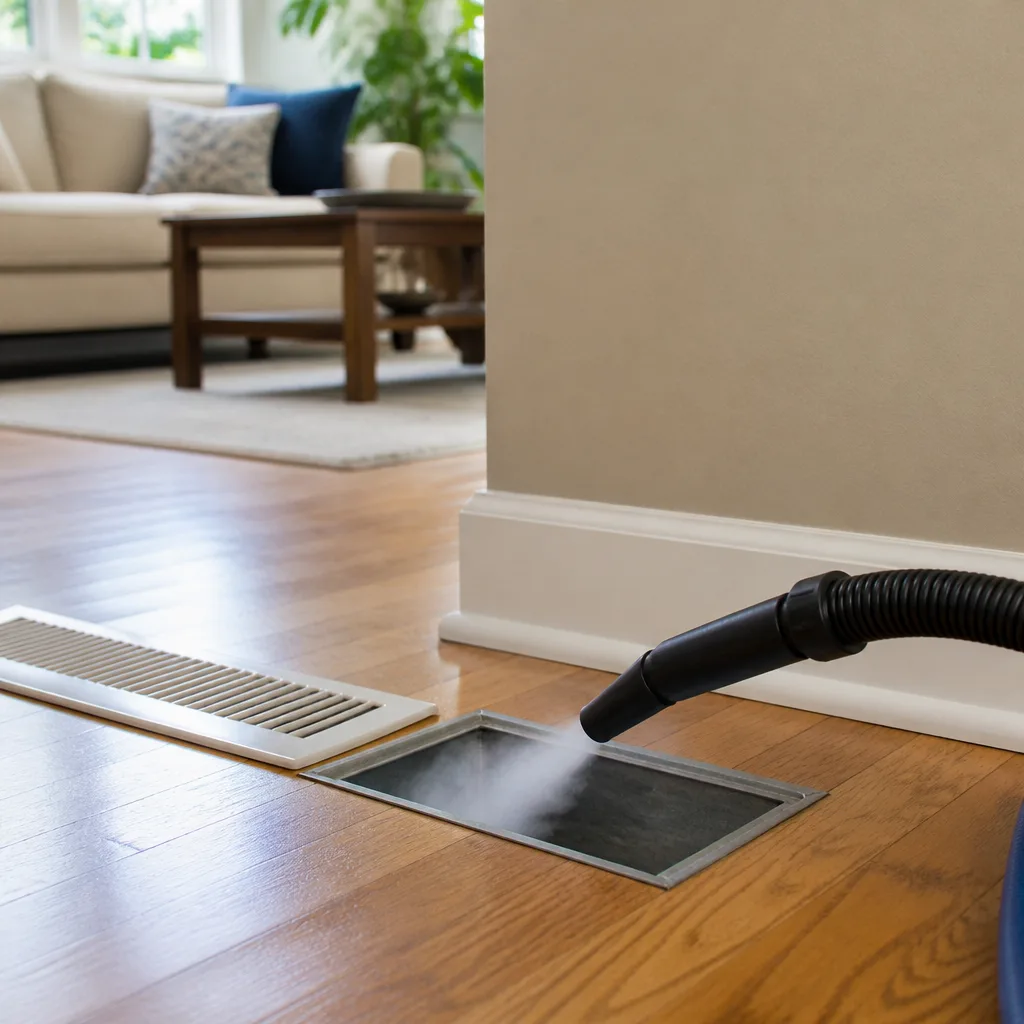 Sanitizing & deodorizing
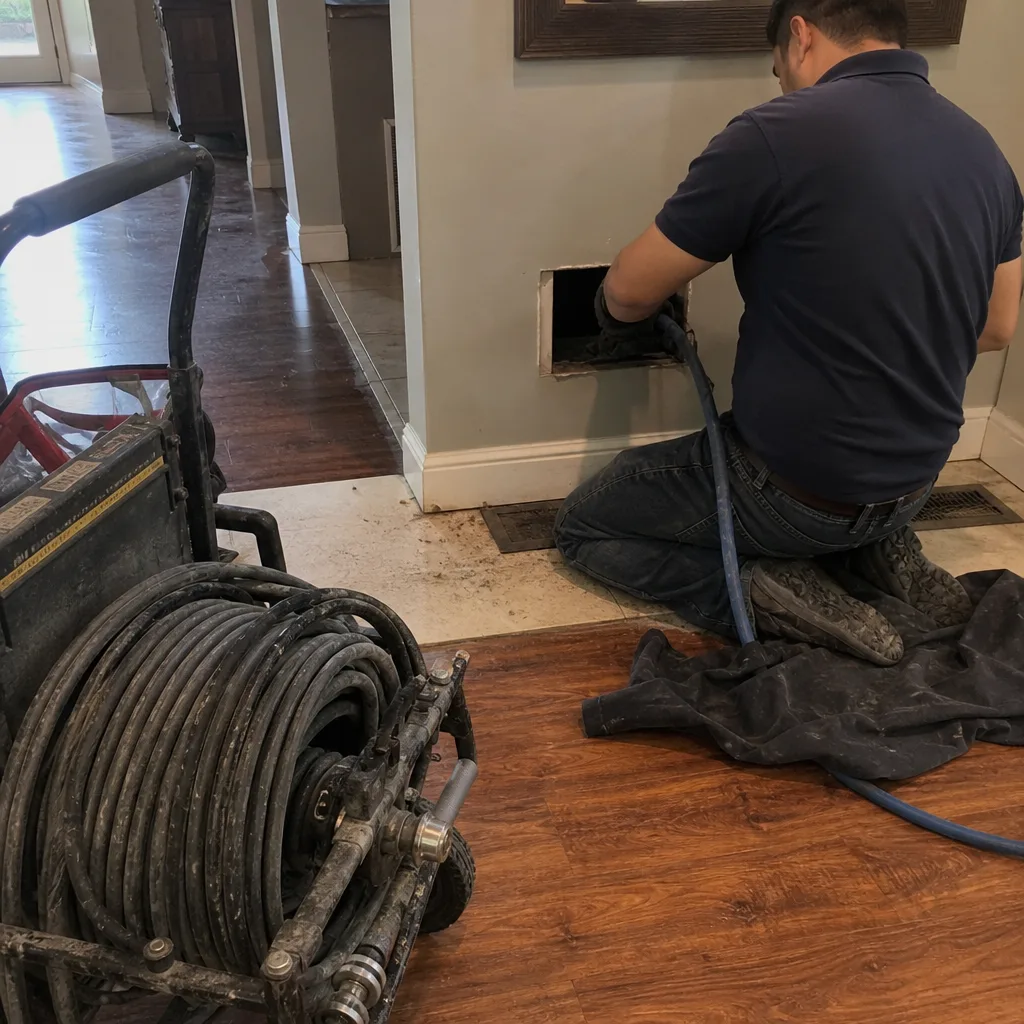
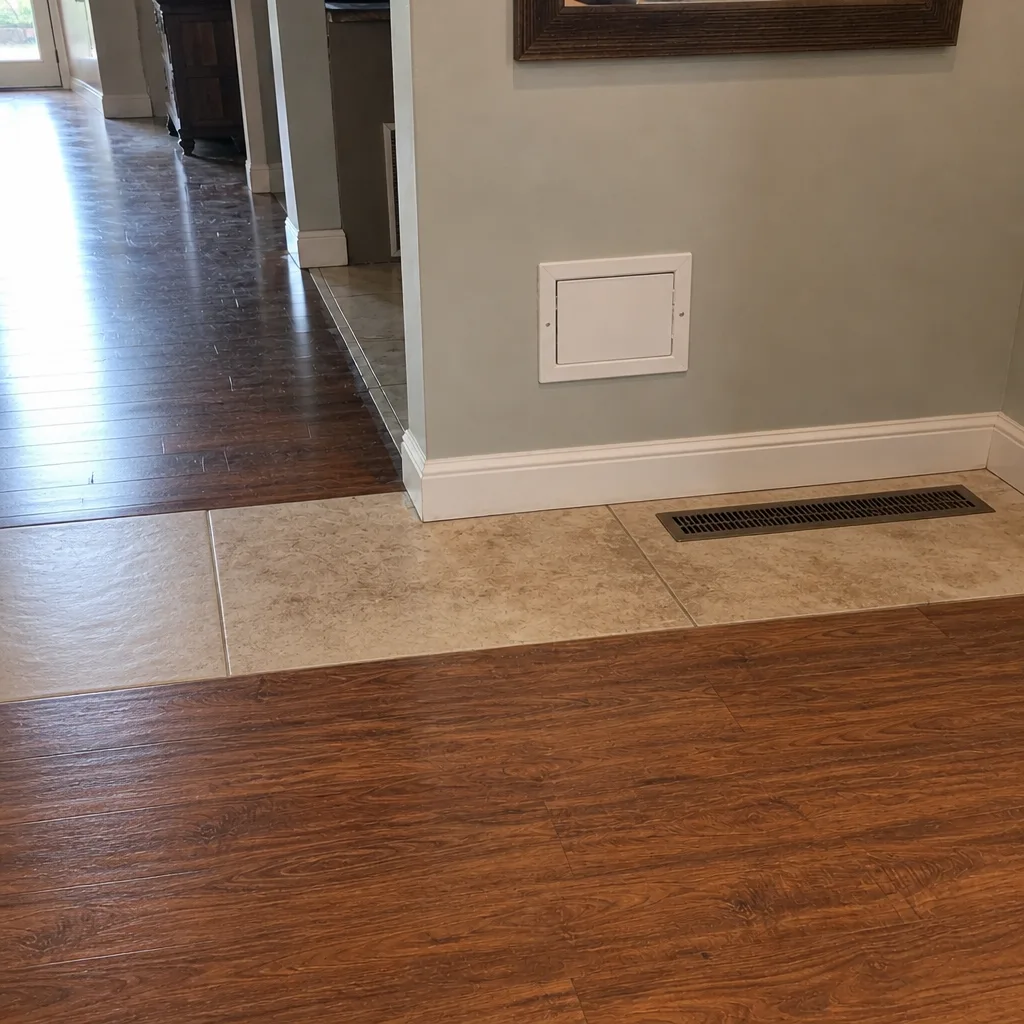
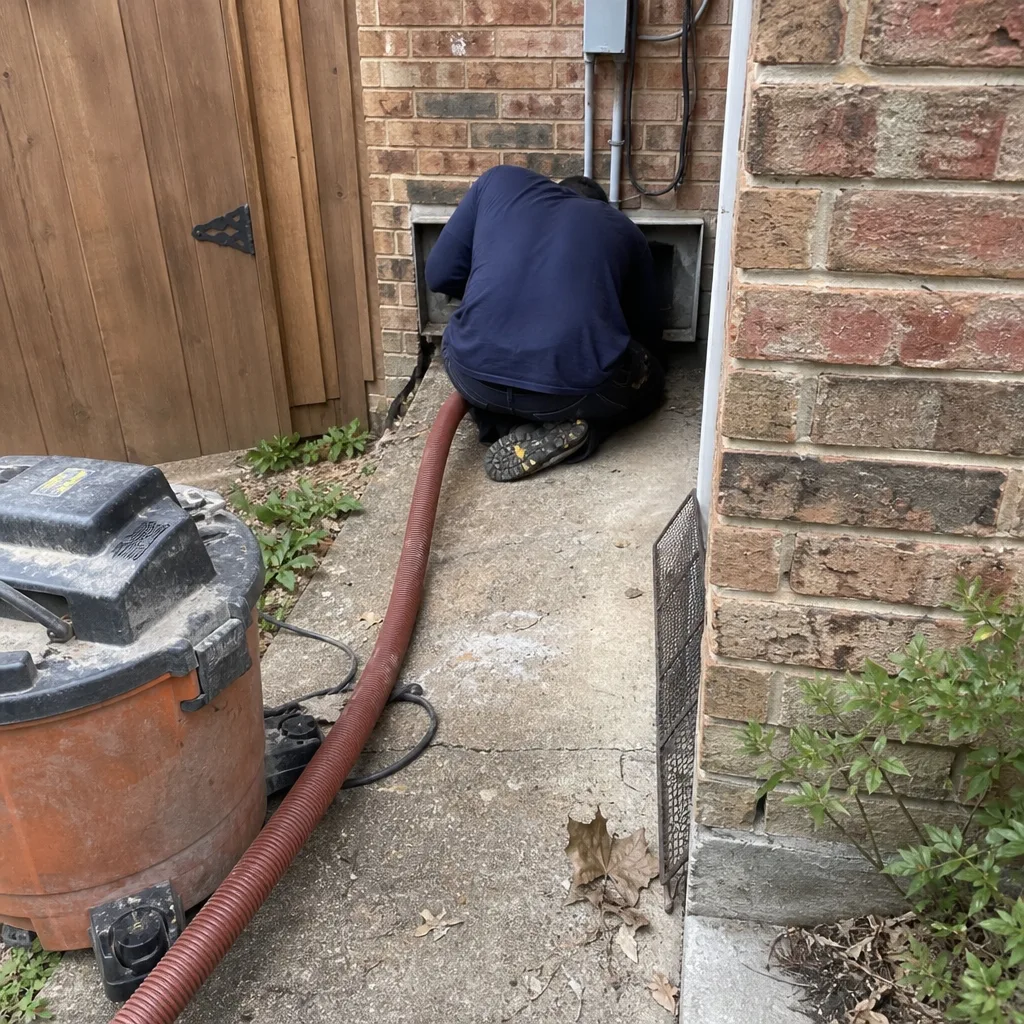
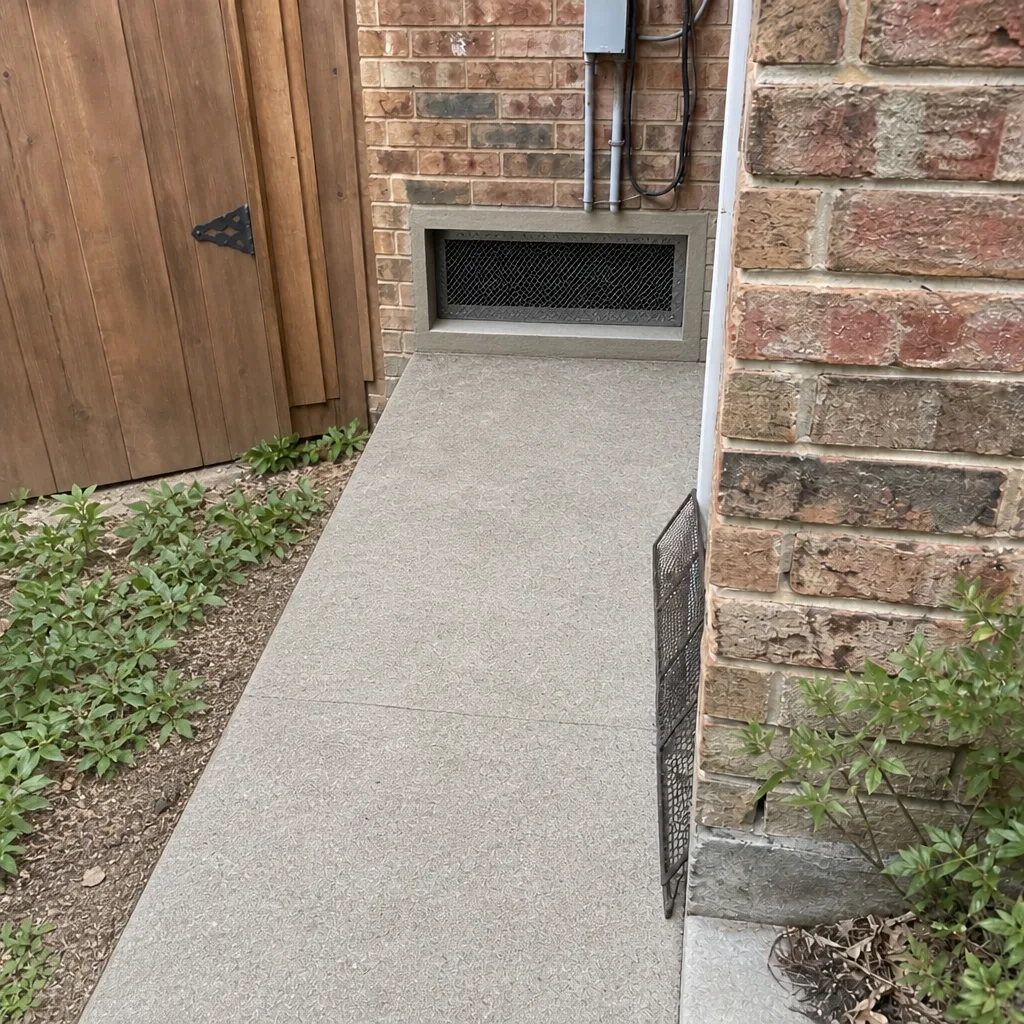
Whole-system duct and dryer vent check with before-and-after photos - you see exactly what came out of your vents
That "$99 whole-house special" is a bait ad - the real number appears once they are in your hallway, or the "clean" is a shop-vac at the register. We photograph the inside of your ducts before and after instead.
Seasonal Air Duct Cleaning Care for Arlington: Year-Round Homeowner’s Guide
Most homeowners in Arlington treat duct cleaning as a once-a-year checkbox, usually in spring when the pollen blows in and everyone suddenly notices the dust. That approach misses the point. Arlington’s four seasons don’t stress your ductwork the same way, and they don’t load it with the same contaminants. Spring buries your return grilles in cedar and oak pollen. Summer bakes flex duct in attics that hit temperatures most homeowners never see. Fall wakes up a heating system that’s sat idle for months. Winter seals the house shut while cooking smoke and candle soot circulate with nowhere to go. Treating all of that as one annual event means you’re always cleaning up after the damage instead of preventing it. This guide walks through what each season actually does to your ducts in Arlington, what to check, and when to schedule work so each season builds on the last instead of starting from scratch.
Quick Answer
Seasonal air duct care in Arlington works best as four separate checkpoints rather than one annual cleaning: a spring pollen and filter-bypass check as the AC comes back on, a summer high-runtime and attic-heat inspection, a fall heating-startup smell test, and a winter indoor-particulate cleaning window before the next pollen season. Each season’s findings become the baseline for the next. Most Arlington homes benefit from a full professional cleaning every few years, with seasonal inspections in between to catch filter bypass, condensate issues, and rodent debris before they spread through the supply side.
Styles & brands we work with
- Whole-home duct cleaning
- Dryer vent cleaning
- Camera inspection
- Sanitizing & deodorizing
Table of Contents
- Why Arlington’s Four Seasons Load Your Ducts Differently
- Spring (March to May): Pollen, Storm Debris, and the First AC Run
- Summer (June to September): High Runtime and Attic Heat
- Fall (October to November): The Heating Startup Window
- Winter (December to February): The Quiet Cleaning Window
- Building a Rolling 12-Month Duct Log
- When Seasonal Wear Turns Into Duct Repair
- Common Mistakes to Avoid
- When to Call a Professional
- Frequently Asked Questions
Why Arlington’s Four Seasons Load Your Ducts Differently
The mistake most homeowners make is assuming “duct cleaning” is one job that happens once. In practice, the contaminants that build up in an Arlington duct system change month to month. A single cleaning can’t catch all of them because they arrive on different schedules.
Think about what actually enters the system. Pollen comes in through every open door and window in spring. Coil condensate and attic-temperature stress happen in summer. Rodent activity and dust settling in unused branches happen while the system is dormant. Cooking smoke, candle soot, and sealed-window dust concentrate in winter. Each of these leaves a different footprint, and each one interacts with whatever’s already in the ducts.
Here’s the part most homeowners never hear: your HVAC system isn’t a closed loop. Filter bypass, gaps at plenum connections, and loose flex duct joints pull attic air and crawl-adjacent air straight into the return side. That means anything floating in those spaces ends up distributed through your living room. This is why Paragon approaches duct work as air duct cleaning plus a structural inspection, because the contamination source is usually a gap, not just the dust itself.
Once you accept that each season stresses the system differently, the annual cleaning schedule stops making sense. Instead you want seasonal checkpoints that catch problems early and a full professional cleaning when the accumulated load justifies it. How often that full cleaning lands depends on your house, your filter habits, and whether you have pets.
What Actually Changes Season to Season
- Source of contamination: outdoor pollen in spring, attic air and condensate in summer, dormant-zone debris in fall, indoor cooking and combustion byproducts in winter.
- System runtime: low in spring and fall, high in summer, moderate in winter.
- Failure mode to watch: filter bypass in spring, coil and insulation damage in summer, odor and pest evidence in fall, particulate accumulation in winter.
- Best action: inspect and seal early in the season, clean before the next load arrives.
If you take nothing else from this guide, take this: spring is the most important season to lock down filter integrity, and winter is the smartest season to schedule a full cleaning. More on both below.
Spring (March to May): Pollen, Storm Debris, and the First AC Run
Spring is the highest-risk season for duct contamination in Arlington, and it has almost nothing to do with temperature. It’s the pollen. Cedar and oak releases across North Texas are among the heaviest residential filtration loads you’ll find anywhere in the country, and every open window, door, and fresh-air intake drags it into the return side.
Add spring storm debris, the annual return of AC operation after a winter of near-dormancy, and the fact that most homeowners haven’t changed filters since November, and you get the setup for the single most expensive duct problem: filter bypass. When a filter doesn’t seat properly in its rack, the pollen that should be captured goes straight past it and lands on the evaporator coil. Once it’s on the coil, it bakes. That coating reduces airflow, drives up runtime, and gets redistributed through the supply ducts every time the blower kicks on.
By mid-June, the system is running ten to twelve hours a day. Whatever bypassed the filter in April is now a coil problem and a supply-side contamination problem at the same time.
Spring Checklist for Arlington Homeowners
- Check the filter fit. Pull the filter and look at the gap around the edges. If you can see past it, air is bypassing it. A properly seated filter should touch the frame on all four sides.
- Change filters more often during pollen season. A filter that would last three months in winter can load up in weeks during a heavy cedar or oak release. Check monthly.
- Walk the visible duct runs. Look for disconnected flex duct joints, crushed sections, and any run hanging loose from a joist.
- Check return grilles. Heavy pollen shows up as visible dust on the return side first.
- Note the smell on the first AC run. A musty or dusty smell on startup tells you what’s already sitting in the ducts.
In our experience, spring is also when Arlington homeowners find out their filter grille has been bypassing air for years without anyone noticing. If you want to understand what a professional inspection catches that a homeowner can’t, our team at Paragon Air Duct Cleaning runs through the full picture.
Summer (June to September): High Runtime and Attic Heat
Summer in Arlington puts your HVAC system in the longest continuous runtime of the year. That matters for ducts in two specific ways: attic heat stress on flex duct and condensate problems inside return plenums.
Flex duct absorbs attic heat. The R-value on a flex duct run isn’t a fixed number; it’s a number that degrades as the material ages, sags, or gets compressed. Runs that were rated for a given insulation value when installed can lose significant performance once they’ve been crushed under attic work or have sagged between hangers. High attic temperatures amplify the loss. In practical terms, your system runs longer, pulls more attic air through every gap, and works harder to hit the thermostat setting.
Condensate is the second summer problem, and it’s the one homeowners are most likely to miss. When a condensate drain clogs or the pan overflows, water can wick into the insulation inside the return plenum. Wet insulation becomes a growth surface for whatever’s already in the airstream. Once that insulation is saturated, no amount of cleaning will restore it. The right answer is repair and replacement of that section, not another cleaning pass.
This is the season where professional-grade equipment matters most. Reaching contamination that’s bonded to coil fins and plenum surfaces requires more than a shop vac. Nikro high-powered vacuum rigs and Abatement Technologies equipment are built for exactly this range of contamination, and it’s what our technicians carry on every job.
Summer Checks That Pay for Themselves
- Look for condensation in the drain pan or under the air handler. Any standing water is a stop-and-fix.
- Feel the supply registers. Weak airflow from one zone usually means a crushed or disconnected duct run.
- Check for sweating or moisture staining on flex duct runs in the attic.
- Watch for a spike in runtime or a rise in energy use month over month.
- Confirm the filter is still seated after months of high airflow.
If you notice any of these, don’t wait for the fall. The earlier in summer a problem is caught, the less chance it turns into duct repair before autumn.
Fall (October to November): The Heating Startup Window
Fall is the most underrated duct-inspection season in Arlington, and it’s the one where homeowners can get the most information for the least effort. The reason is simple: when the heating system fires up for the first time after months of dormancy, it pushes air through zones of the ductwork that haven’t moved in half a year. Whatever accumulated in those zones gets pushed out.
That first heat cycle is essentially a diagnostic. Smell matters more than sight here. Any odor that comes through the supply registers on startup – musty, dusty, or worse – tells you what’s accumulated in dormant branches during the cool season. Rodent debris in particular shows up this way. Mice and rats work the gaps around duct connections and often enter flex duct runs through disconnected or crushed sections while the system is quiet.
The smell test is one reason we recommend homeowners pay attention to the first heat cycle. If the air smells clean, you’re in good shape. If it smells off, that’s the signal to get the system inspected before winter runs make the problem worse.
What to Check in Fall
- Note the smell on the first heat cycle of the season. Run the system for ten minutes and pay attention.
- Check for rodent evidence near duct connections. Droppings, nesting material, or chew marks around joints.
- Inspect accessible flex duct in the attic. Look for gaps, tears, or branches that have pulled free.
- Change the filter before the first heat. Heating loads differ from cooling loads; a clean filter is a fair baseline.
- Schedule any cleaning you’ve been putting off. Doing it in fall means the system is clean going into winter and clean going into spring pollen.
If your home is set up with an Arlington-based smart or programmable thermostat that tracks runtime, compare fall runtime to spring. A jump usually points to a duct problem rather than a thermostat problem.
Winter (December to February): The Quiet Cleaning Window
Winter has the lowest HVAC demand of the year in Arlington. Homes run heat in the morning, then settle into long stretches of low activity. That makes it the smartest season to schedule a full professional cleaning, and the reason isn’t about the weather. It’s about timing.
While the system is quiet, indoor particulate is higher than at any other time of year. Windows stay shut. Cooking indoors concentrates smoke and grease vapor. Candles, fireplaces, and holiday décor add soot and fine particulate to the indoor airstream. All of that gets pulled through the return, and if the ducts aren’t clean going into spring, you’re storing that load in the system until the pollen arrives and stacks on top of it.
The other winter advantage is easier access. Attics are cooler, technicians aren’t fighting summer heat to move through the space, and any repairs to flex duct runs caught during the cleaning can be handled before the system is running constantly again. If a section of duct needs replacement, winter is the season to do it.
Winter is also the season to check dryer vent routing, since the holidays bring extra laundry duty. A dedicated dryer vent cleaning is its own fire-safety service, and lint accumulation is a well-recognized fire risk independent of your HVAC system.
Winter Actions
- Schedule the full professional cleaning before the spring pollen load arrives.
- Check filter condition monthly; indoor cooking and candles load the filter more than outdoor sources.
- Inspect the dryer vent run for kinks, crushed sections, or heavy lint buildup at the exterior termination.
- Note any change in indoor air smell after heavy cooking days; lingering odors point to a return-side issue.
- Log your filter change dates so spring comparison is honest.
Building a Rolling 12-Month Duct Log
Here’s the piece almost nobody does, and it’s the one that makes the whole seasonal system work. Keep a log. Not a fancy document, not an app – a page on your phone or a note taped to the air handler. What it does is give you a baseline to compare against, so each seasonal check takes five minutes instead of an hour of guessing.
The log has a specific structure. For each season you record a small set of observations and nothing more. Over a full year you end up with a pattern in front of you, and any year-to-year drift jumps out immediately.
What Goes in the Log
- Filter install and change dates. Note the date and the filter size. After two years you’ll know exactly how long a filter lasts in your house by season.
- First-run smell notes. Spring AC startup and fall heat startup. Clean, dusty, musty, or worse.
- Visible dust at return grilles. A quick photo works better than a written description.
- Any attic walk-through findings. Disconnected flex, crushed sections, moisture stains, rodent evidence.
- Professional cleaning date and scope. What was cleaned, what was repaired, what was flagged for next time.
- Runtime or energy comparison. Same-month comparison from year to year, from your utility account or thermostat history.
- Dryer vent check date and result. Especially if the run is long or has multiple bends.
Once you have a rolling year in place, the seasonal checks get faster because you’re not investigating from scratch. You’re comparing today’s result to last season’s baseline. If the return grille dust looks heavier than it did last spring, you know the pollen load is up. If the fall startup smell has changed since last fall, you know something happened to the dormant branches during the summer.
When Seasonal Wear Turns Into Duct Repair
Cleaning clears out contamination. It doesn’t fix the structural problems that let contamination in. Over several years, seasonal stress adds up: flex duct sags, joints work loose, sections get crushed under attic storage, and material tears at connections. When that happens, cleaning the system without repairing those gaps is like mopping a floor with the window open.
This is the reason our scope extends to air duct repair rather than stopping at cleaning. The most useful thing a technician can do during a seasonal inspection is find the structural problem, not just remove the dust. Common findings include:
- Disconnected flex duct at plenum or register boots
- Crushed or kinked flex runs that choke airflow to a zone
- Torn flex duct jackets that expose insulation to the airstream
- Loose joints at trunk and branch connections
- Failing duct tape and mastic at seams
If a technician finds any of these, the right move is repair before cleaning or as part of the same visit. Repairing after cleaning without addressing the source means the new contamination starts next season.
Common Mistakes to Avoid
- Treating duct cleaning as an annual checkbox. One cleaning in spring can’t catch a summer attic-heat problem or a fall rodent issue. Seasonal inspection points matter more than the cleaning frequency.
- Ignoring filter bypass. If the filter doesn’t seal against the frame, it’s not filtering. This is the single most common cause of coil contamination in Arlington homes, and it’s cheap to fix.
- Skipping the first heat-cycle smell test. That startup pushes air through dormant branches and tells you more about your ducts than anything else you’ll do all year.
- Waiting until spring to clean. Cleaning in winter clears the summer and fall load before pollen stacks on top of it. Waiting means you’re always playing catch-up.
- Letting a crushed flex run sit. A single disconnected branch can dump attic air into every supply register on the system. It’s a small repair with a big downstream effect.
- Assuming wet insulation is fine after it dries. Condensate overflow into return plenum insulation leaves a growth surface even after it’s dry. The right action is replacement, not another cleaning.
- Using a general-purpose vacuum instead of professional equipment. Consumer vacuums recirculate fine particulate back into the air. Nikro and Abatement Technologies rigs are designed to capture it. The difference shows up in what your air smells like after the job.
When to Call a Professional
Some seasonal checks are homeowner-friendly: filter replacement, filter fit, visual inspection of accessible duct runs. Others need an experienced eye and proper equipment. Call a professional if any of these apply:
- Your fall or spring startup produces a musty, dusty, or persistent odor that doesn’t clear after a few minutes of runtime.
- You find rodent droppings, nesting material, or chew damage near any duct connection.
- You see a crushed, disconnected, or torn flex run in the attic.
- Your system is running noticeably longer than it did the same time last year.
- You’ve had water in the drain pan or moisture staining on any duct section.
- You haven’t had the system professionally cleaned in a long stretch and you’re seeing visible dust at the return grilles.
Paragon Air Duct Cleaning offers free estimates in Arlington. Our technicians have up to 12 years of experience, and they carry professional Rotobrush and Nikro equipment on every job so the cleaning and the inspection both get done with the right tools. Call (844) 787-8766 for a free estimate.
Frequently Asked Questions
Most Arlington homes benefit from a full professional cleaning every two to four years, with seasonal inspections between cleanings to catch filter bypass, attic-heat damage, and contamination from dormant zones. Homes with pets, allergy concerns, or a lot of window-open time in spring may need more frequent cleanings. The seasonal log approach in this guide helps you know when your home’s schedule should shift.
Spring is the highest-risk season because Arlington’s cedar and oak pollen release is one of the heaviest residential filtration loads in the country, and it coincides with the filter change most homeowners skipped over winter. Filter bypass during a heavy pollen release is the leading cause of evaporator coil contamination, and once the coil is coated, that contamination redistributes through the supply ducts all summer. Call (844) 787-8766 for a free estimate if you suspect bypass.
Winter is the smarter cleaning window for most Arlington homes. Cleaning in winter clears out the accumulated dust, cooking particulate, and candle soot from the holiday season before spring pollen arrives, so the system starts the heavy-load season clean rather than storing two layers of contamination. Spring cleaning is better for the inspection side, since the AC is back on and bypass is easier to see. Call (844) 787-8766 to book a free estimate.
Air duct cleaning removes accumulated dust, debris, and particulate from inside the system. Air duct repair fixes the gaps, tears, crushed sections, and disconnected joints that let contamination in and let conditioned air escape. Cleaning a system with structural leaks still leaves you with an unfiltered airstream; the repair is what actually stops the problem. We offer both, and the right answer for a given system depends on what the inspection finds.
A filter bypass problem shows up as visible dust on the coil side of the filter frame, dust accumulating on the evaporator coil, or a filter that sits loose in its slot. Pull the filter and look at the gap around the edges; if you can see past it, air is going around. It’s a small fix, but left alone it turns into coil cleaning and possibly duct cleaning downstream. Call (844) 787-8766 if you want an inspection.
We treat dryer vent cleaning as its own dedicated service because it addresses a different fire-safety risk than HVAC ducts, but we can schedule both within the same visit if the timing works for your home. Lint accumulation in a dryer vent is a recognized fire risk, and it deserves the same professional-grade equipment and inspection we bring to your HVAC system. Fast dispatch from 7am to 7pm, Sunday through Friday, when you call (844) 787-8766.
The Bottom Line
Arlington’s climate treats your ducts as four distinct problems across the year, not one annual maintenance item. Spring pollen and filter bypass. Summer runtime and attic-heat stress. Fall heating startup and dormant-branch inspection. Winter cleaning timing before the pollen returns. Each season builds on the last, and a rolling log turns the whole thing into a set of quick, informed checks rather than a costly scramble once a problem shows up. If you want the seasonal work handled with professional equipment and a full inspection that catches structural problems, not just surface dust, Paragon Air Duct Cleaning offers free estimates across Arlington. Call (844) 787-8766. We answer 24/7. Fast dispatch from 7am to 7pm, Sunday through Friday. The estimate is free and the price is set per job by the written estimate, so you’ll know the total before any work begins.
Written by the team at Paragon Air Duct Cleaning.
See the difference
 Before
 After
 Before
 After
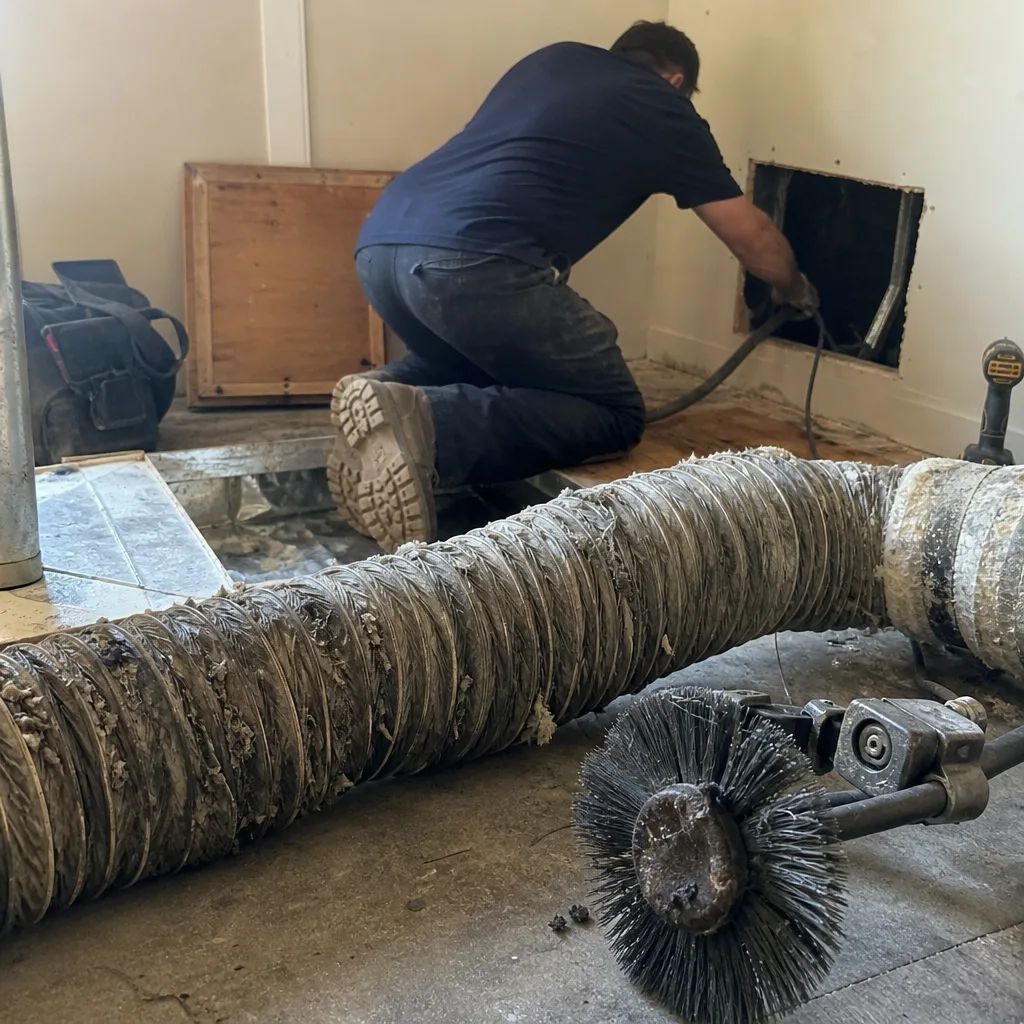 Before
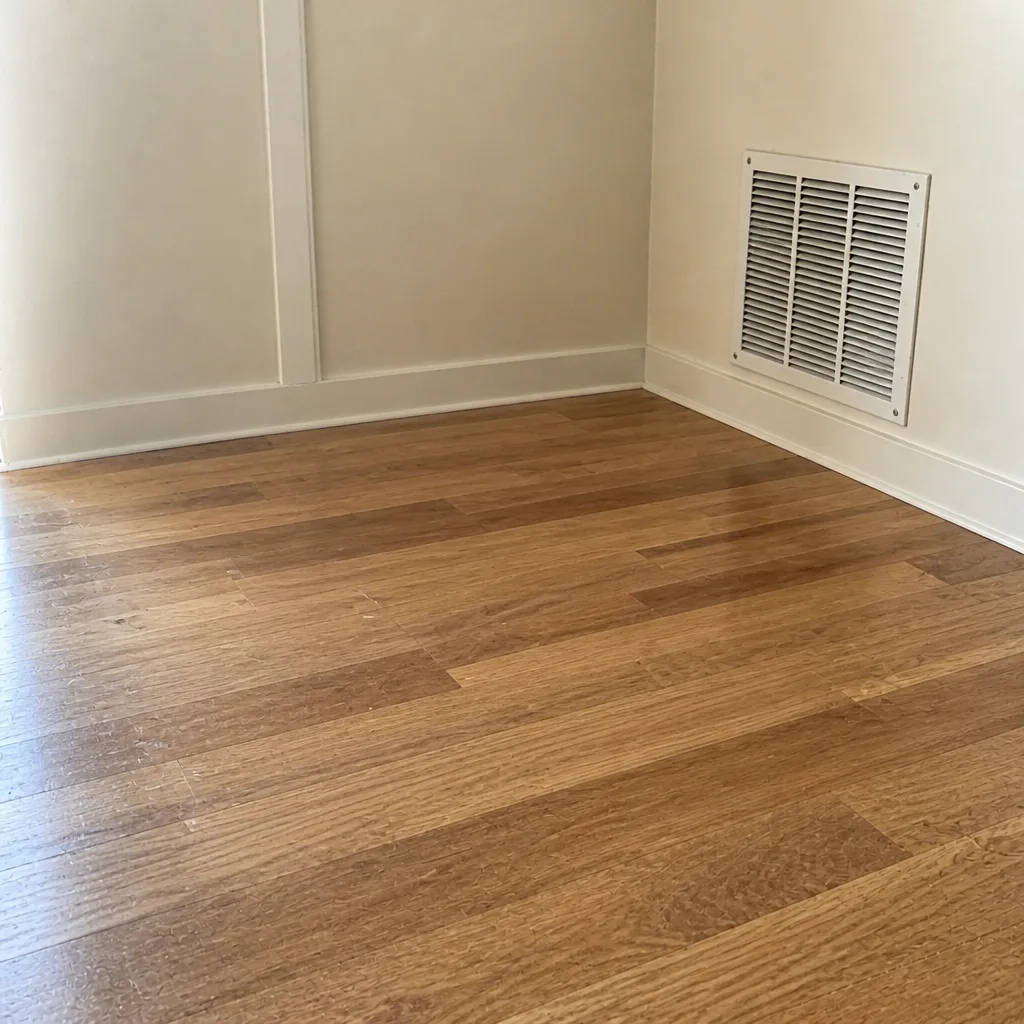 After