
Last updated November 15, 2026
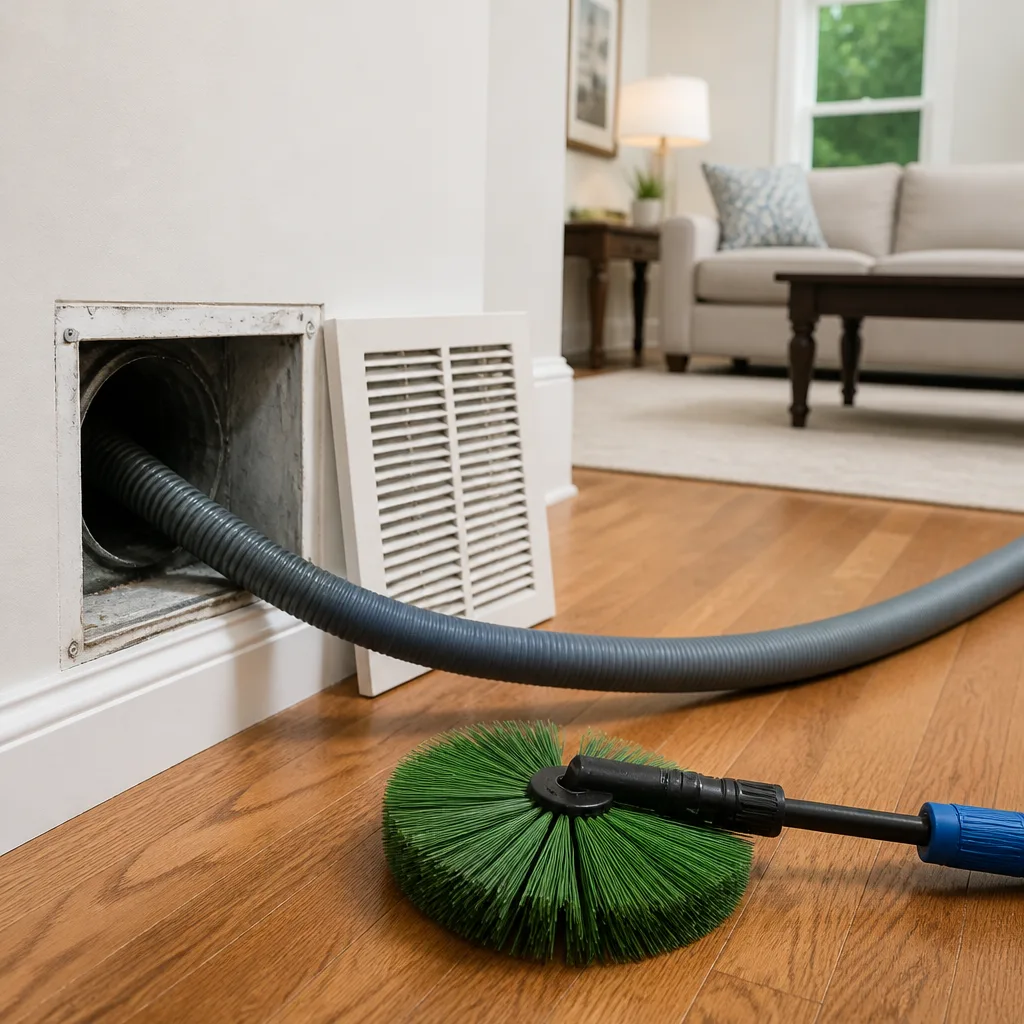 Whole-home duct cleaning
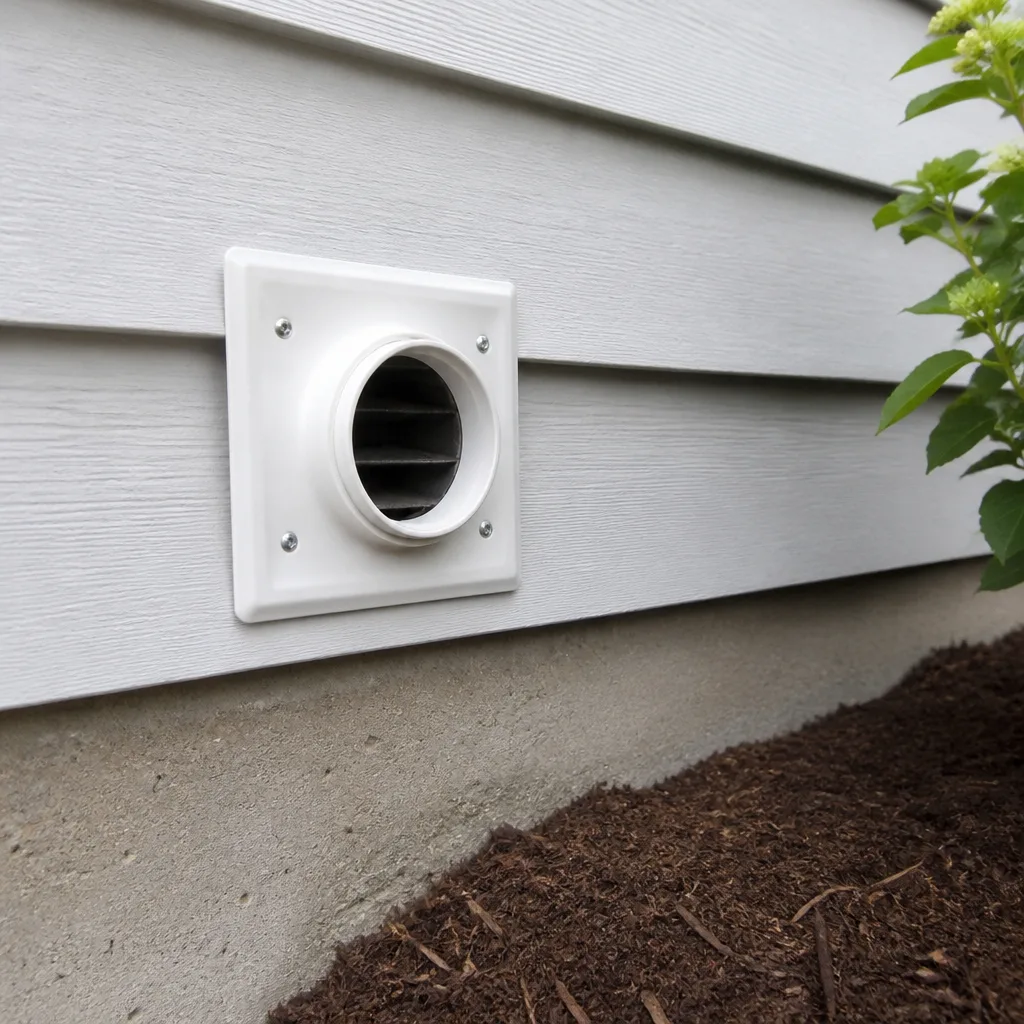 Dryer vent cleaning
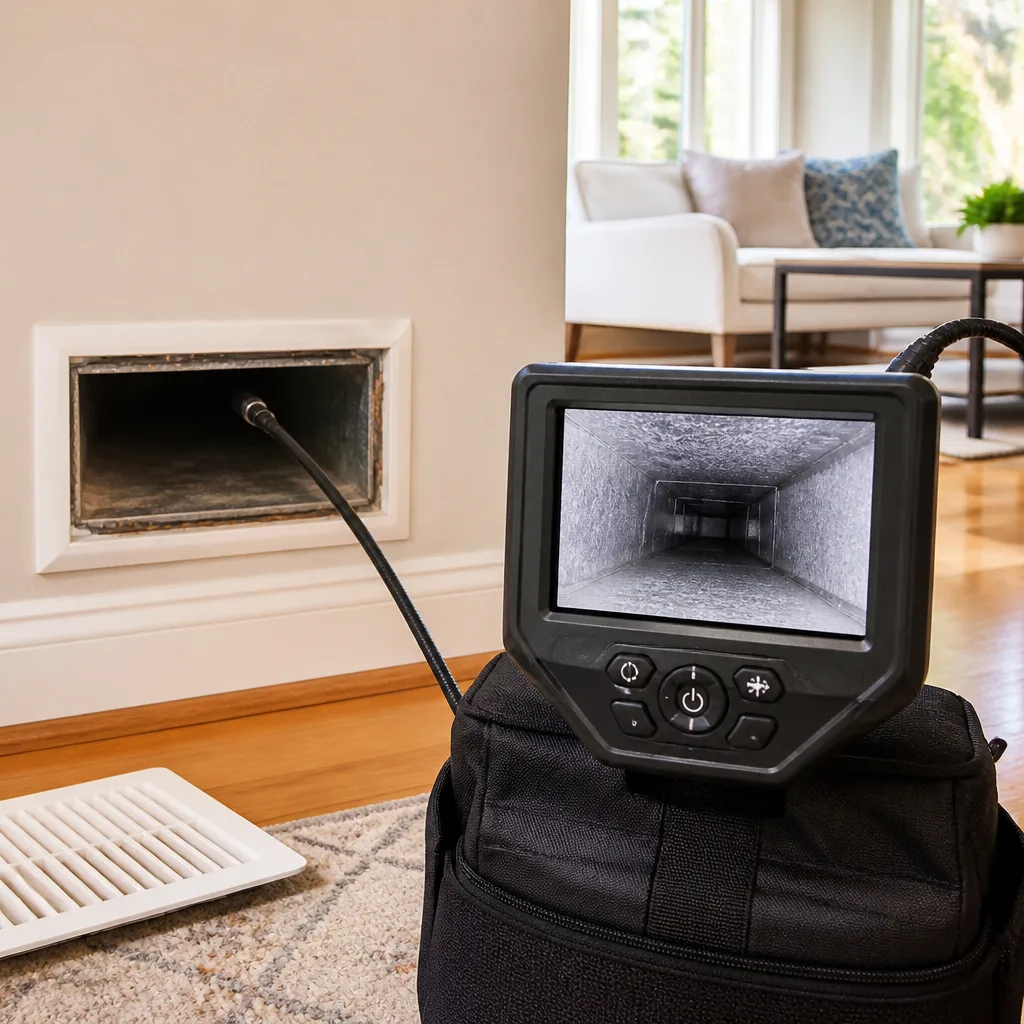 Camera inspection
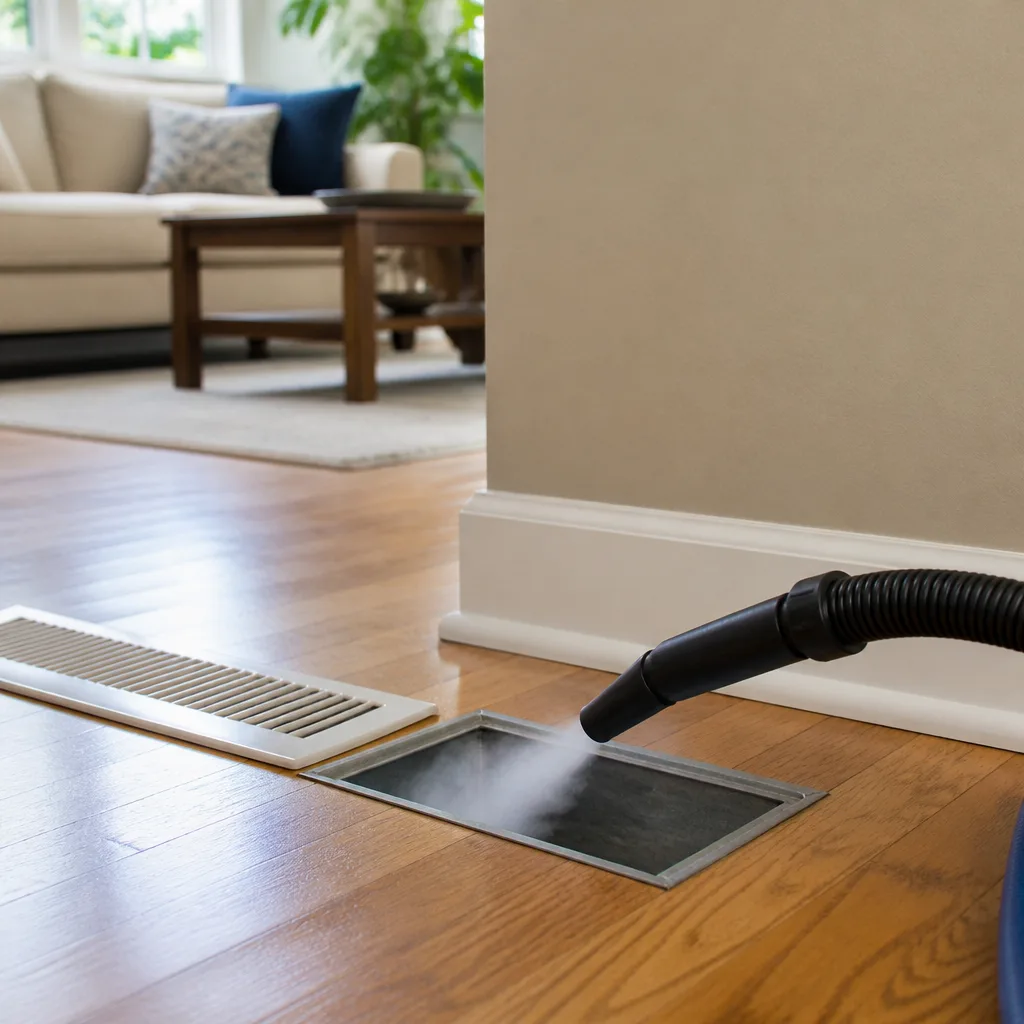 Sanitizing & deodorizing
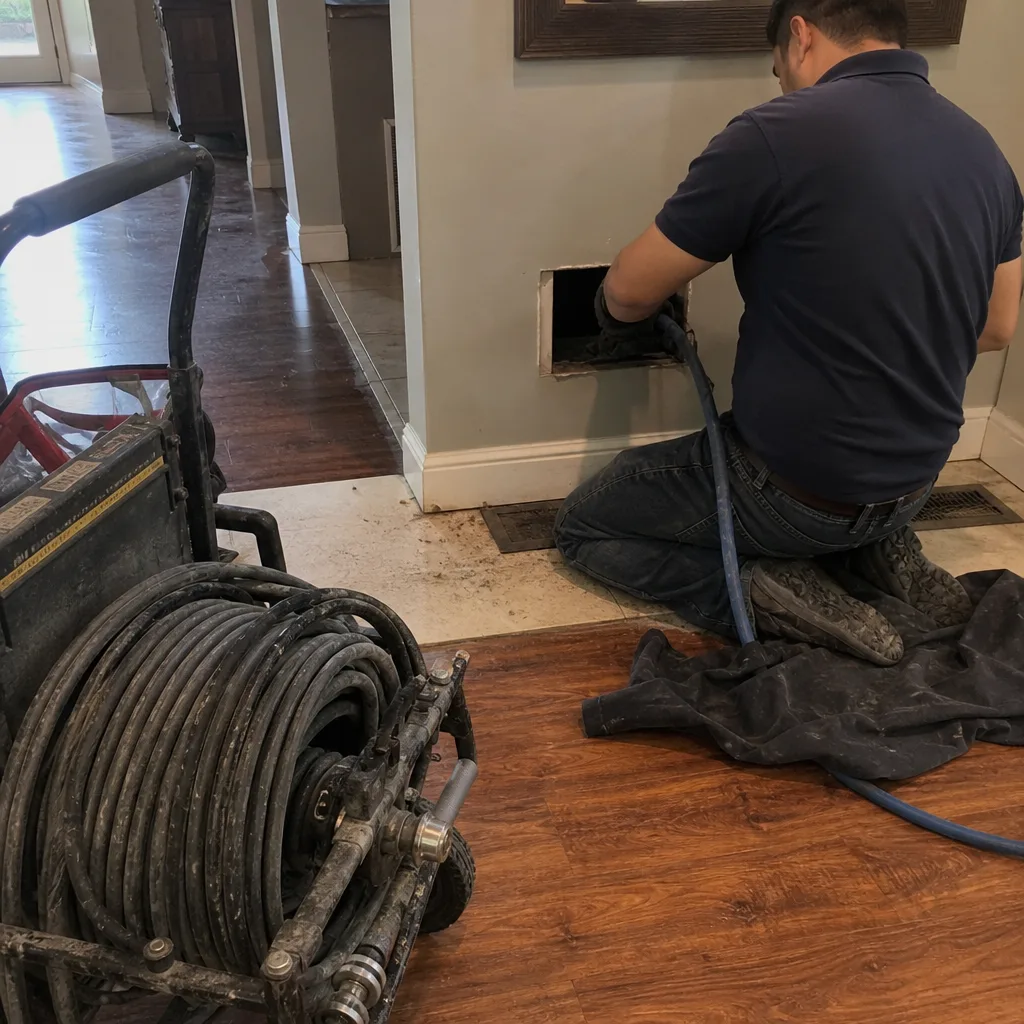
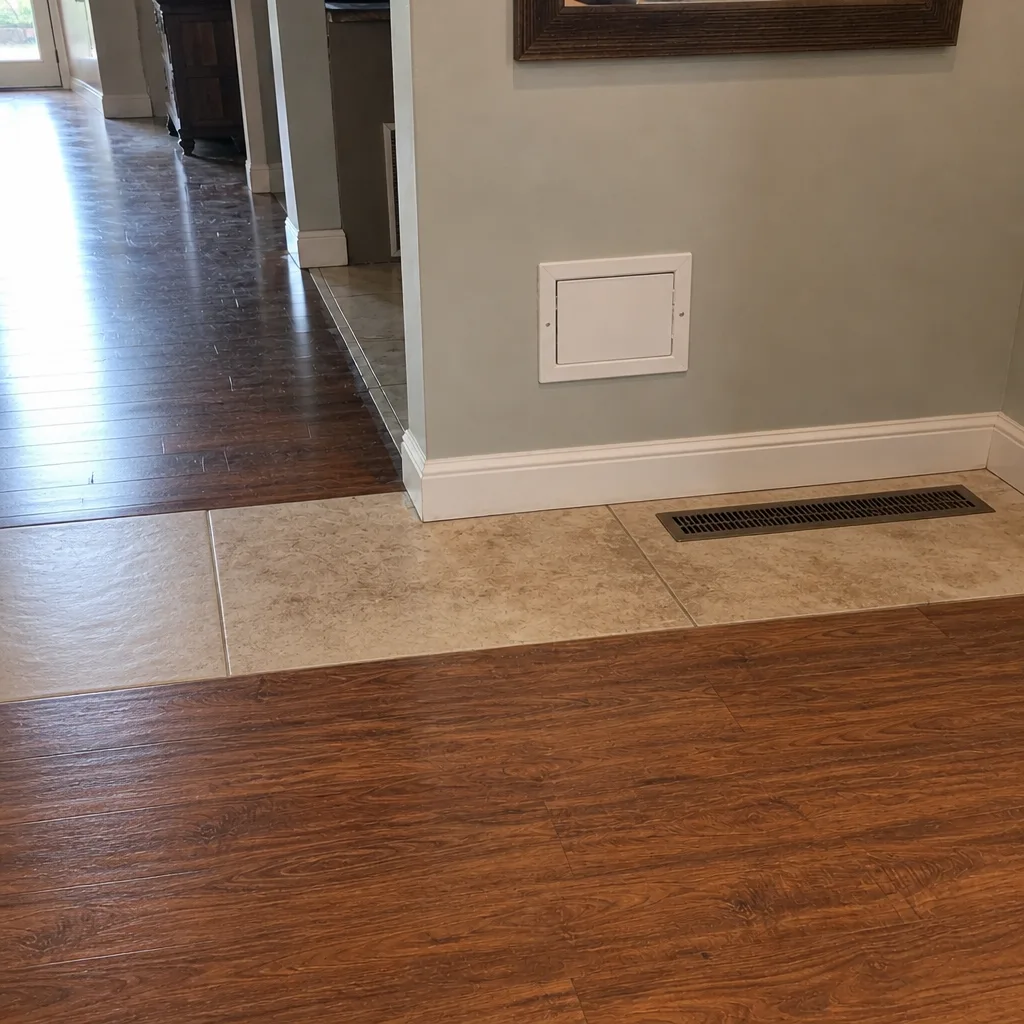
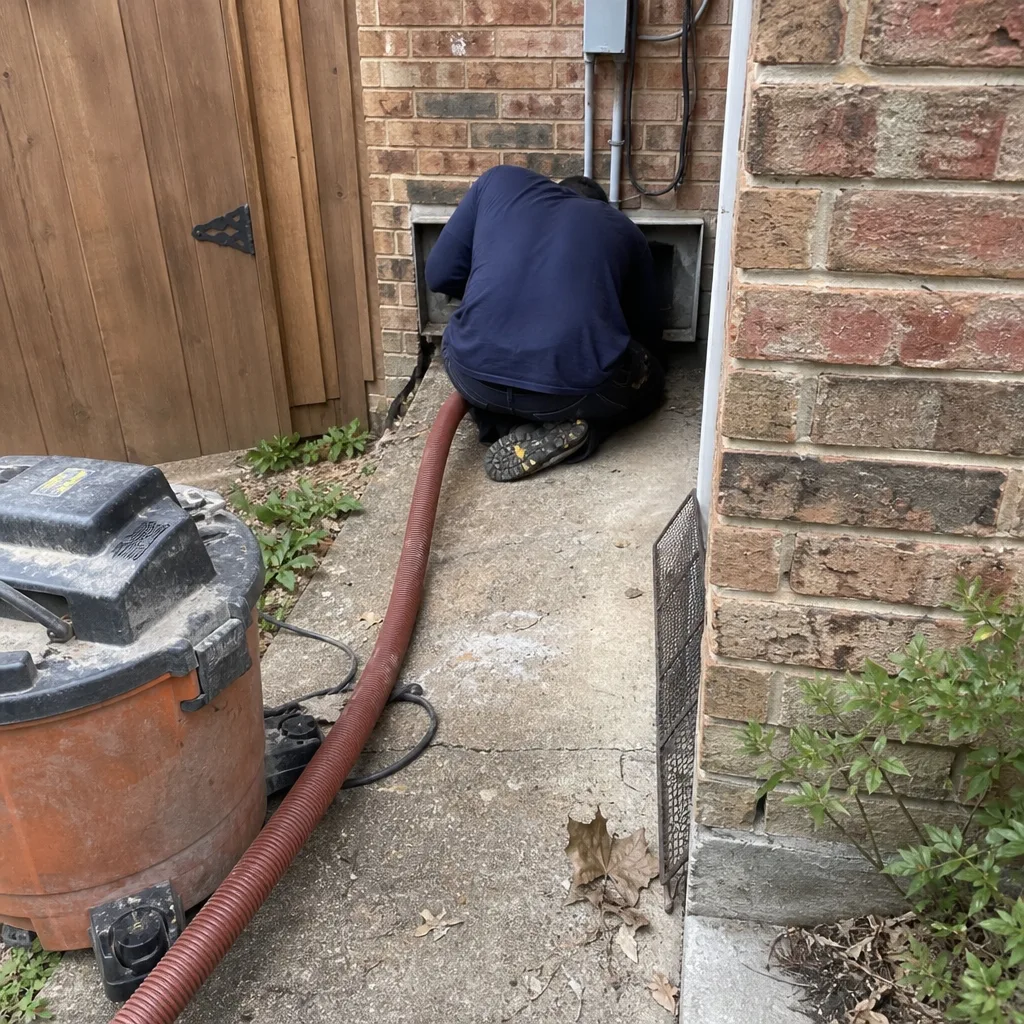
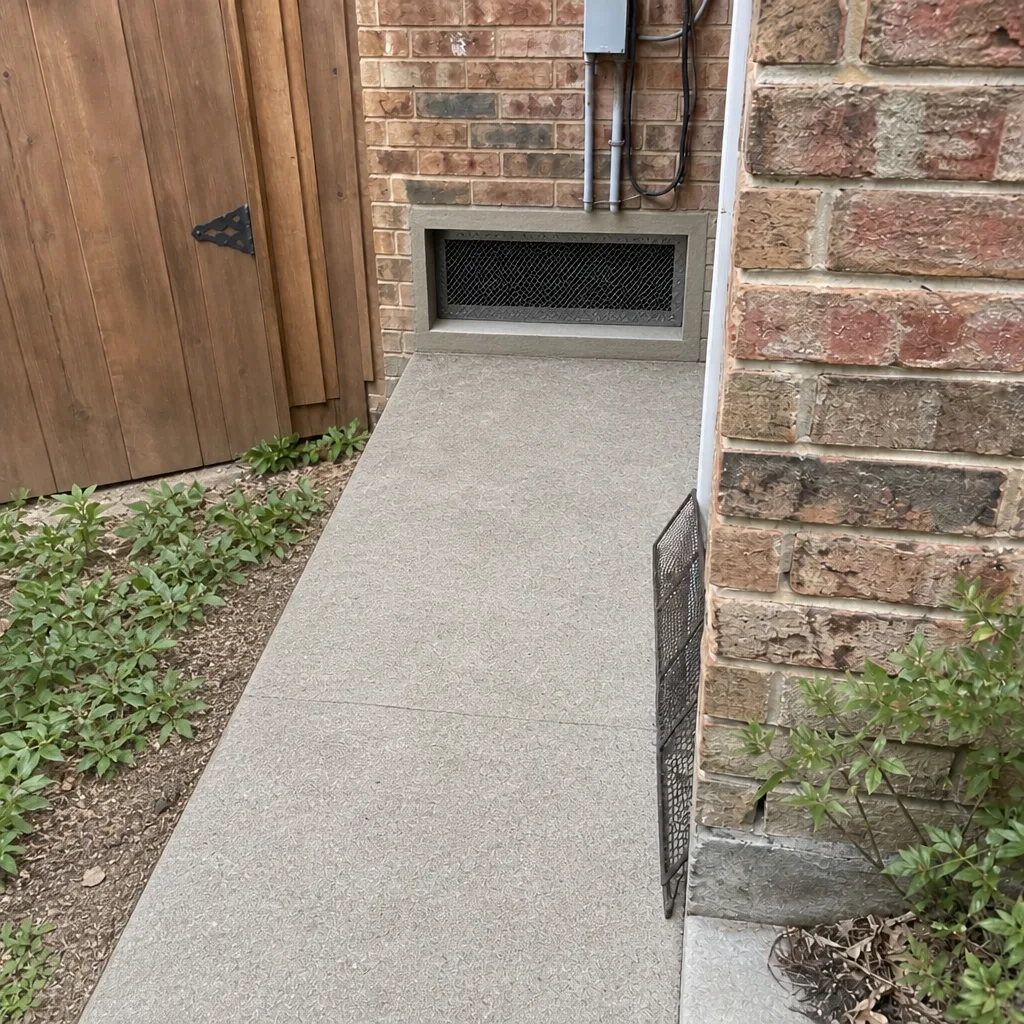
Whole-system duct and dryer vent check with before-and-after photos - you see exactly what came out of your vents
That "$99 whole-house special" is a bait ad - the real number appears once they are in your hallway, or the "clean" is a shop-vac at the register. We photograph the inside of your ducts before and after instead.
The Complete Guide to Air Duct Cleaning in Arlington
Most air duct guides are written for a hypothetical home in a hypothetical climate. Arlington isn’t hypothetical. Summers here regularly push past 95°F for weeks at a stretch, the clay soil underneath expands and contracts with the moisture, and humidity climbs fast every spring. All of that shapes what collects inside ductwork and how it behaves. A cleaning method that works fine in a mild, dry climate can miss the real problems in a North Texas ranch home. This guide walks through the full process the way it actually plays out here: pre-inspection, source removal, structural repair, and how to verify the work afterward. By the end, you’ll know what a legitimate duct cleaning in Arlington involves and what to ask before anyone touches your system.
Quick Answer
Air duct cleaning in Arlington means removing debris at the source using negative pressure and mechanical agitation, not blowing dust loose into the living space. A proper job starts with a visual inspection and static pressure reading, addresses the long duct runs and tight elbows common to single-story ranch layouts, and ends with a documented before-and-after check. Whole-system cleaning in Arlington typically runs $350 to $700 depending on the size and configuration of the system, with the written estimate setting the final price.
Styles & brands we work with
- Whole-home duct cleaning
- Dryer vent cleaning
- Camera inspection
- Sanitizing & deodorizing
Table of Contents
- Why Arlington Duct Systems Collect More Than You’d Expect
- How 140°F Attic Heat Changes What Cleaning Has to Fix
- Source Removal vs. Blow-and-Go: What’s the Difference?
- What a Real Pre-Cleaning Inspection Covers
- Why Ranch Layouts Put Debris in Specific Places
- The Full Cleaning Process, Step by Step
- How Do You Verify the Work Was Actually Done?
- How Much Does Air Duct Cleaning Cost in Arlington?
Why Arlington Duct Systems Collect More Than You’d Expect
Arlington sits in a part of North Texas where the climate does a specific kind of work on a house over time. The region averages more than 60 days a year above 95°F, and those days don’t just run the air conditioner harder – they drive the whole air-handling system through longer, hotter cycles than it would see almost anywhere else in the country. When the system runs more, it moves more air. More air means more dust pulled through the return side and deposited along the supply runs.
The soil matters too. Expansive clay shifts with the moisture, and that movement works on foundations, crawl spaces, and the attic trusses that carry ductwork. Even small movement opens seams and joints that were tight when the home was built. Every gap becomes a path for attic air, insulation fibers, and outdoor dust to get pulled into the system and pushed into your rooms.
Spring makes it worse. Humidity spikes fast across Arlington in a matter of weeks, and that moisture does two things: it softens dust deposits so they cling harder to duct walls, and it creates conditions where organic material can start to support microbial growth on surfaces that stay damp. A system that looked fine in February can smell different by April.
None of this means every Arlington home needs cleaning at the same interval. It does mean the local conditions accelerate buildup compared to the national average, and that a cleaning plan built for a mild climate often schedules the work too late. If you want the broader picture of how we approach the work itself, our air duct cleaning service page goes deeper into our methods and equipment.
How 140°F Attic Heat Changes What Cleaning Has to Fix
Attic temperatures in Arlington homes regularly climb past 140°F in the middle of summer. That heat is hard on duct liner – the thin insulating layer inside the ducts that keeps conditioned air from losing its temperature before it reaches a room. Over enough hot seasons, liner can dry out, crack, and begin to shed. Once it sheds, those fibers become part of what’s circulating through the house.
This is why cleaning in Arlington has to address more than just debris removal. A technician who only vacuums the ductwork but ignores deteriorated liner leaves the source of the contamination in place. The cleaning looks successful on the day it’s done, and a few months later the problem comes back.
What heat degradation actually looks like when we inspect North Texas systems:
- Cracked or flaking liner inside supply runs that get the most sun exposure through the attic.
- Separated joints at elbows and boots where the adhesive or tape has baked off over repeated hot seasons.
- Sagging flex runs that lose their internal shape under long attic heat exposure, creating low spots where debris settles.
- Compromised insulation jackets exposing the outer surface of the duct to attic air.
When we find these issues, cleaning alone doesn’t solve them. That’s the reason we offer Paragon Air Duct Cleaning as a full-scope service – cleaning paired with Arlington-area duct repair when the structure itself is part of the problem. Fixing a torn run or resealing a separated boot during the cleaning visit means the contamination pathway closes and stays closed.
One more note on attic heat: it also stresses the air handler and the plenum connection. During inspection, we check the plenum for gaps because that’s a common spot for attic air to enter the supply side before the ducts even begin.
Source Removal vs. Blow-and-Go: What’s the Difference?
The single biggest quality gap in the duct cleaning industry comes down to one question: is the debris being removed from the system, or just moved around inside it? “Blow-and-go” service uses compressed air or a shop vacuum to knock debris loose inside the ducts without a sealed containment system. The debris lifts, travels through the house, and settles again – often in the same ducts and on the same surfaces.
Source removal works differently. It pairs two tools that have to operate together:
- Negative pressure. A high-powered vacuum rig connects to the system and pulls a strong vacuum through the entire ductwork, so the whole system is under constant negative pressure while the work happens.
- Mechanical agitation. A rotary brush system runs through the ducts and scrubs the walls, lifting the material that’s adhered to the surface. That material is then captured by the vacuum because of the pressure differential.
With the system under negative pressure, loosened debris has only one place to go – into the vacuum. Without it, loosened debris has only one place to go – into your living room. This is why we use Rotobrush rotary-brush systems and Nikro high-powered vacuum rigs: professional-grade equipment, every job, because the tools determine whether the process actually removes contamination or simply redistributes it.
For homes with heavier contamination – years of buildup, visible debris at the registers, or a recent inspection that flagged the system – we also bring Abatement Technologies equipment, which is built for remediation-level contamination rather than routine cleaning. Most duct cleaners aren’t set up for that tier of work. It changes the scope of what a single visit can accomplish.
If you’re comparing quotes, this is the question to ask every company you call: is the entire system under negative pressure for the full duration of the work, and what equipment delivers it? A vague answer tells you a lot.
What a Real Pre-Cleaning Inspection Covers
No legitimate cleaning starts with a vacuum. It starts with an inspection. The inspection tells the technician what the system is dealing with, whether contamination is routine or severe, and whether any structural problems need fixing before or after the cleaning. Skipping this step is how companies end up cleaning a system that needed repair, or quoting a job they can’t actually complete well.
A thorough pre-cleaning inspection in Arlington covers:
- Visual assessment of the accessible ductwork. Supply runs, return runs, boots at the registers, and the plenum at the air handler.
- Static pressure readings. A system running at high static pressure is working harder than it should, often because of restrictions in the ductwork. This reading tells us whether the ducts are actually sized correctly for the equipment, or whether the system is being held back by layout problems.
- Identification of damaged sections. Torn liner, separated joints, crushed flex runs, or gaps that let attic air enter the system. These are documented before any cleaning begins because they affect the cleaning approach.
- Register-by-register airflow check. Rooms that get noticeably less air than others usually indicate a blockage, a collapsed run, or a leak that’s bleeding pressure before the air reaches the room.
- Air handler and filter condition. A clogged filter or a dirty evaporator coil affects how much contamination reaches the ducts and how quickly it returns after cleaning.
This inspection is also where we look at what the house’s layout tells us. Arlington has a lot of single-story ranch homes, and those present specific airflow challenges we’ll cover next.
Why Ranch Layouts Put Debris in Specific Places
Single-story ranch homes are the dominant housing pattern across much of Arlington, and the ductwork in these homes has a signature set of characteristics. The system has to reach bedrooms down the length of the house, a kitchen and living area in the middle, and often a converted or enclosed garage zone. That means long supply runs. Long runs mean more duct wall for debris to cling to, and more distance for the fan to push air across.
They also mean more elbows. Every time the duct changes direction – and ranch layouts are full of 90-degree turns as runs branch out to individual rooms – turbulence builds at the elbow. Turbulence slows the air enough that suspended particles drop out and settle. Over time, elbows become the concentration points for debris. If a duct cleaning skips or lightly passes over the elbows, the worst of the buildup stays in place.
This is where equipment choice matters in a way a generic guide won’t tell you. A rotating brush system – like the Rotobrush systems we use – can be fed into a run, navigate the turn, and apply mechanical contact to the inside wall of the elbow. Air-whip tools, which rely on compressed air jets rather than brushes, struggle with turns: the air loses force at the elbow, the brush-style scrub doesn’t happen, and adhered material stays. In a ranch home with a dozen or more elbows between the plenum and the far bedrooms, that difference compounds.
Our technicians have up to 12 years of experience working with these layouts, and the pattern is consistent: the deepest debris sits in the longest run to the farthest bedroom, and in the return run pulling from a hallway or a central return grille. That’s where the inspection and the cleaning both focus.
The Full Cleaning Process, Step by Step
Here’s what a complete source-removal cleaning looks like from start to finish in an Arlington home:
- Inspection and documentation. Visual check, static pressure reading, airflow test, and photos of any damaged sections before we start. Any problems found get discussed with you before the cleaning begins.
- Protect the living space. Registers get covered, furniture near the work areas gets moved or covered, and the work areas are sealed off so no debris escapes during cleaning.
- Connect the vacuum rig. The Nikro high-powered vacuum connects to the system at a central point and pulls the whole ductwork into negative pressure.
- Mechanical agitation, run by run. The rotary brush feeds through each supply and return run, scrubbing the walls and lifting the debris into the airflow being pulled by the vacuum. Elbows and boots get specific attention.
- Clean the registers and grilles. Each supply and return register gets removed, cleaned separately, and reinstalled. This is often where homeowners notice the biggest visual difference.
- Clean the blower and air handler compartment. Dust settles on the blower wheel and housing, and if it stays, it goes right back into the ducts on the first cycle after cleaning.
- Address damage found during inspection. Any torn liner, separated joints, or crushed runs get repaired as part of the visit. This is what separates a cleaning that lasts from one that needs repeating in a year.
- Reassemble, test, and document. Registers go back on, the system runs, airflow is compared, and before-and-after photos are taken of the accessible ductwork.
If your home also has a dryer vent that runs through the same attic space, we handle that as a separate safety service – dryer vent cleaning is a fire-safety job, not an add-on, and it should never be treated as an optional extra.
How Do You Verify the Work Was Actually Done?
Homeowners have good reason to ask this. The duct cleaning industry has a reputation problem, and it comes from a minority of operators who do a quick pass, take a check, and leave. The way to know the work was actually done is to require verification during the job, not after.
The verification steps to ask for:
- Before-and-after photos of your own ducts. Not stock images, not a glossy brochure, not photos of another house. Photos of your system, taken through the access points and at the registers, before the cleaning starts and again when it’s finished.
- Airflow comparison. A register that was weak before cleaning and reads stronger after is real, measurable evidence. It should be documented against the pre-cleaning baseline.
- Visual access port check. Some ductwork is visible from an access cut through the plenum or through the returns. Ask to see the inside of the ductwork yourself if you want to, and ask the technician to show you the access port check prior to reassembly.
- Filter baseline documentation. A fresh filter goes in, and the filter’s condition is documented as the baseline. That baseline tells you how quickly contamination is recurring and how often the filter needs replacing.
- A written record of any repairs performed. If a torn section was sealed or a separated joint reconnected, you should have a note of exactly what and where.
Before you book any company, ask whether they’ll do these steps. This is one of the highest-signal questions in the industry, because a company set up to do quality work already documents this. One set up to rush the job won’t have a good answer.
How Much Does Air Duct Cleaning Cost in Arlington?
Air duct cleaning in Arlington is typically estimated between $350 and $700 for a whole-system cleaning on a standard single-family home, with larger systems and heavier contamination at the upper end of that range. The written estimate sets the final price before the work starts, so the number you agree to is the number you pay.
| Service | Typical estimated range in Arlington |
|---|---|
| Whole-system air duct cleaning (standard home) | $350 – $700 |
| Heavy contamination or larger multi-zone system | Quoted individually after inspection |
| Duct repair (torn liner, separated joints, crushed runs) | Quoted individually after inspection |
| Dryer vent cleaning | Quoted individually based on vent run and routing |
Two pricing facts in Arlington explain most of the spread between honest quotes. First, ranch homes with long runs and many elbows take longer to clean properly than a compact two-story, so labor varies. Second, homes with compromised liner or damaged sections need repair time on top of cleaning time. Neither of those factors is a surprise if the company inspected before quoting.
A note on very cheap quotes: they’re usually cheap because a piece of the process is missing. Blow-and-go work, no vacuum rig, skipping the air handler, no repair tier, no verification photos – each of those cuts the price and cuts the value. Built around your air system, not around a coupon, is how we think about pricing, and we quote after inspection so the number reflects your actual system.
We can work with your insurer on claims where the cause of contamination is covered. We don’t bill your insurer directly, but we can provide the documentation and photos needed for a claim.
Common Mistakes to Avoid
- Hiring on price alone. Arlington has plenty of homes where a cheap cleanup was followed by a full repeat cleaning within a year or two. Ask about equipment before you ask about price.
- Booking a cleaning without a pre-inspection. In a ranch home with a dozen elbows and long supply runs, a company that doesn’t inspect is likely to skip the concentration points entirely.
- Skipping the air handler and blower. Dust settles there too, and cleaning the ducts without cleaning the blower means the first cycle after cleaning sends it all back through. Ask specifically whether the blower gets cleaned.
- Ignoring damaged duct liner. Heat degradation in Arlington attics is common, and liner that’s already shedding will shed again after cleaning unless it’s repaired. Cleaning without repair leaves the source in place.
- Treating dryer vent cleaning as an add-on. The dryer vent is a separate safety system and an industry-recognized fire risk. It should be booked as its own service, not as a discount add-on after the ducts are done.
- Accepting stock photos as verification. Generic before-and-after images from a brochure tell you nothing about your home. Ask for photos of your ducts or it wasn’t documented.
- Skipping the filter baseline. If the filter isn’t documented after cleaning, you have no way of knowing how quickly contamination is recurring, and you’ll be guessing at your next cleaning interval.
Our familiarity with Honeywell and Aprilaire air-quality equipment matters here too: if your home has a whole-house air cleaner or a humidifier integrated into the system, cleaning has to account for those components so they aren’t damaged and their filters and pads are handled correctly.
See the difference
 Before
 After
 Before
 After
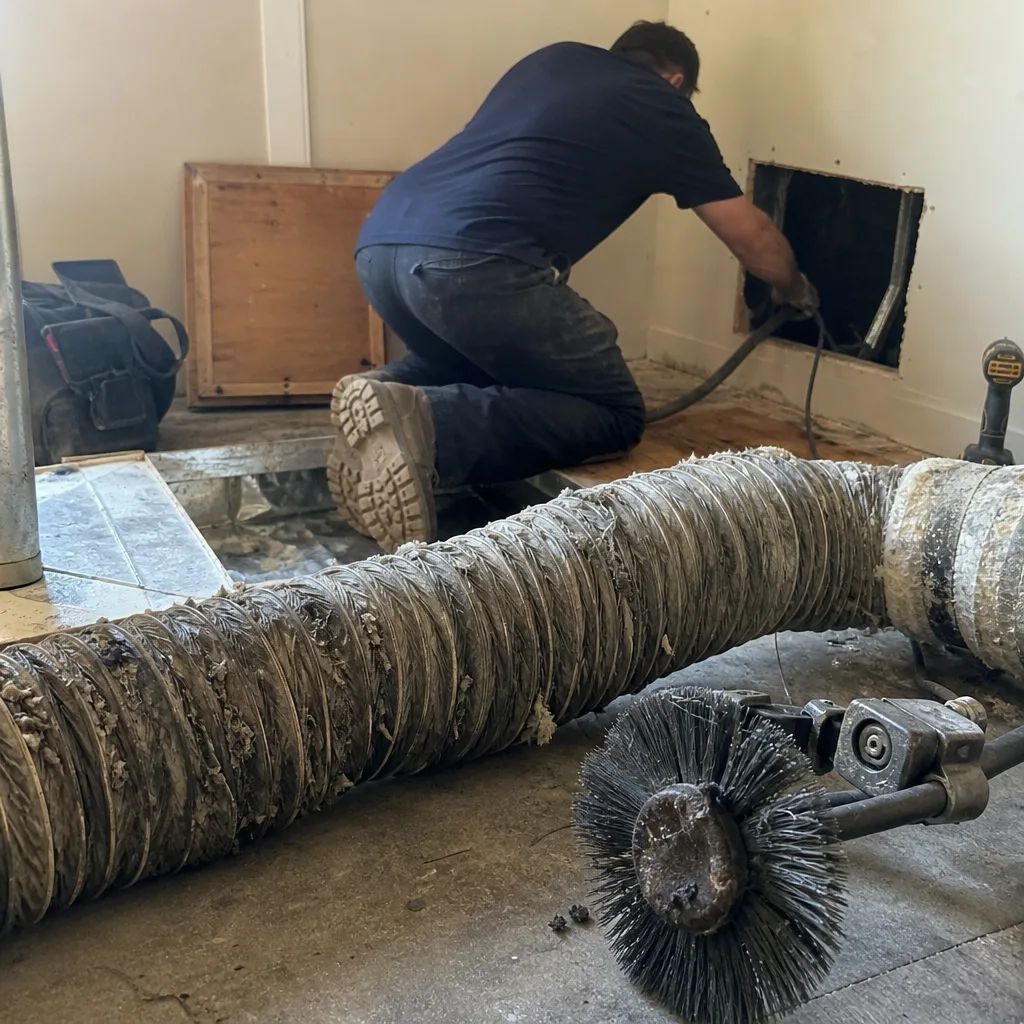 Before
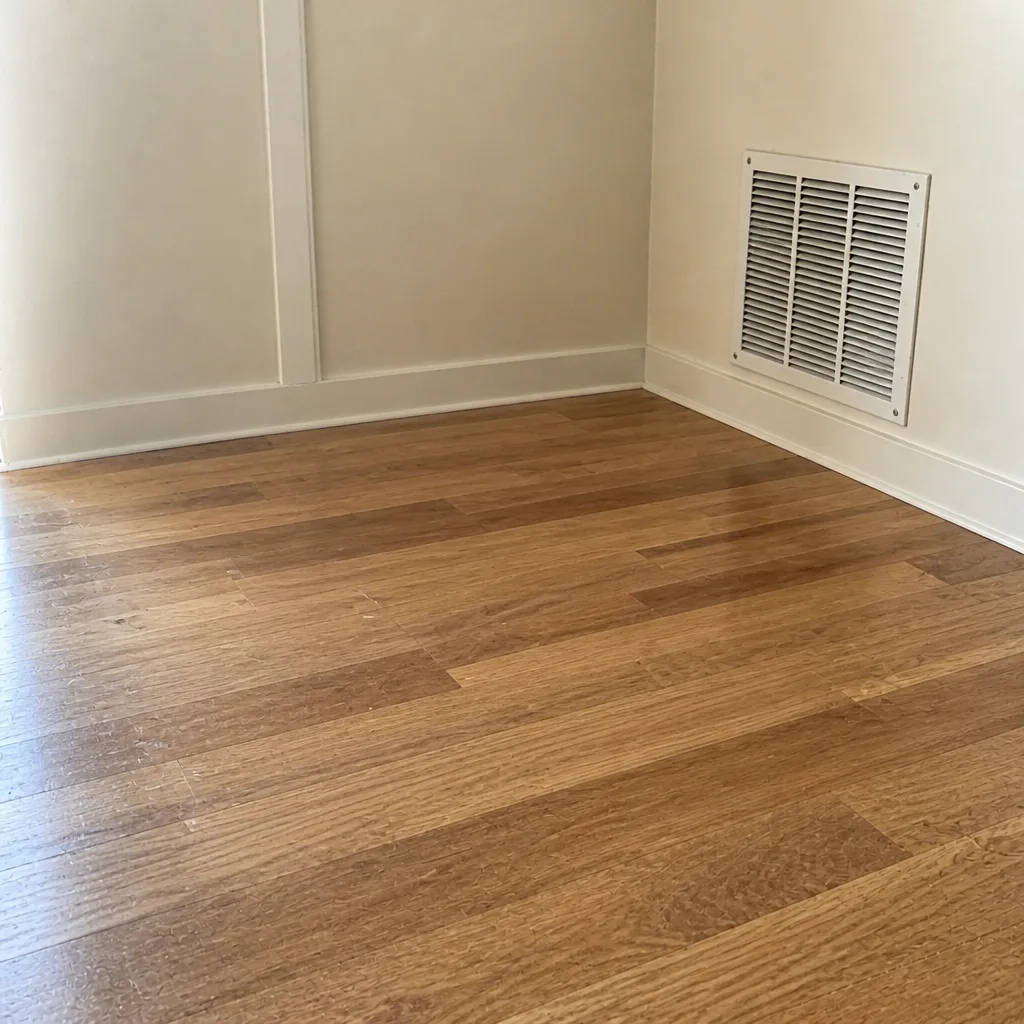 After
When to Call a Professional
If you can see visible debris at the registers, if airflow to some rooms is noticeably weaker than to others, or if anyone in the home is waking up congested every morning, that’s the moment to call. If an inspection flagged the system, if you’re moving into a home and don’t know its cleaning history, or if your ducts have never been verified since you bought the house, the same applies. In an Arlington attic that runs past 140°F every summer, waiting rarely improves the situation because heat damage compounds. Paragon Air Duct Cleaning offers free estimates in Arlington – call (844) 787-8766. We answer 24/7, with fast dispatch from 7am to 7pm, Sunday through Friday.
Frequently Asked Questions
Whole-system cleaning in Arlington typically estimates between $350 and $700 for a standard single-family home, with larger or heavily contaminated systems quoted above that range after inspection. The final price is set by the written estimate before work begins, and estimates are free. Call (844) 787-8766 for an exact quote.
Most homes do best on a 3-to-5 year cycle, but Arlington’s heat and humidity push toward the shorter end, and homes with allergies or pets often need it more frequently. The filter baseline documented after cleaning is the practical guide: when the filter starts loading fast, cleaning is due. Call (844) 787-8766 to schedule an inspection and get a recommendation for your specific system.
Cheap quotes usually skip pieces of the process – no vacuum rig, no rotary brush, no air handler cleaning, no repair tier, and no verification. That work is real work and it costs money. The flat price you agree to in the written estimate is the price you’ll pay, and it includes the full process. Call (844) 787-8766 to talk through what the quote for your home will cover.
You know the work was done when you’re holding before-and-after photos of your own ductwork, an airflow comparison against the pre-cleaning baseline, and a documented filter baseline. We provide all three on every cleaning. That’s how you verify without guessing. Call (844) 787-8766 to book a job that comes with documentation.
Cleaning helps by removing the built-up dust and organic material that circulates when the system runs, and that reduction matters for anyone sensitive to indoor particulates. It does not treat or diagnose any health condition. If allergies are the primary driver, the honest starting point is a cleaning plus a documentation baseline you can track over time. Call (844) 787-8766 to get started.
Yes. Repair is part of the work when inspection finds torn liner, separated joints, crushed runs, or gaps letting attic air in, and handling it in the same visit is almost always the right call. Cleaning without repair leaves the contamination pathway open. Call (844) 787-8766 to book an inspection that looks at structure and contamination together.
The Bottom Line
Arlington duct systems face conditions that most guides ignore: 60-plus days above 95°F per year, humidity spikes that arrive fast in spring, clay soil shifting the structure around the ducts, and ranch layouts with the long runs and many elbows where debris concentrates. Cleaning that actually works here starts with inspection, uses negative-pressure vacuum rigs with rotary brushes rather than compressed air, repairs what the heat has damaged, and ends with photos and airflow numbers you can see. Those are the questions to ask every company you consider: what equipment, what inspection, what repair capability, what documentation. When the answers line up, the cleaning holds. Call (844) 787-8766 for a free estimate. We answer 24/7. Fast dispatch from 7am to 7pm, Sunday through Friday.
Written by the team at Paragon Air Duct Cleaning.