
Last updated November 15, 2026
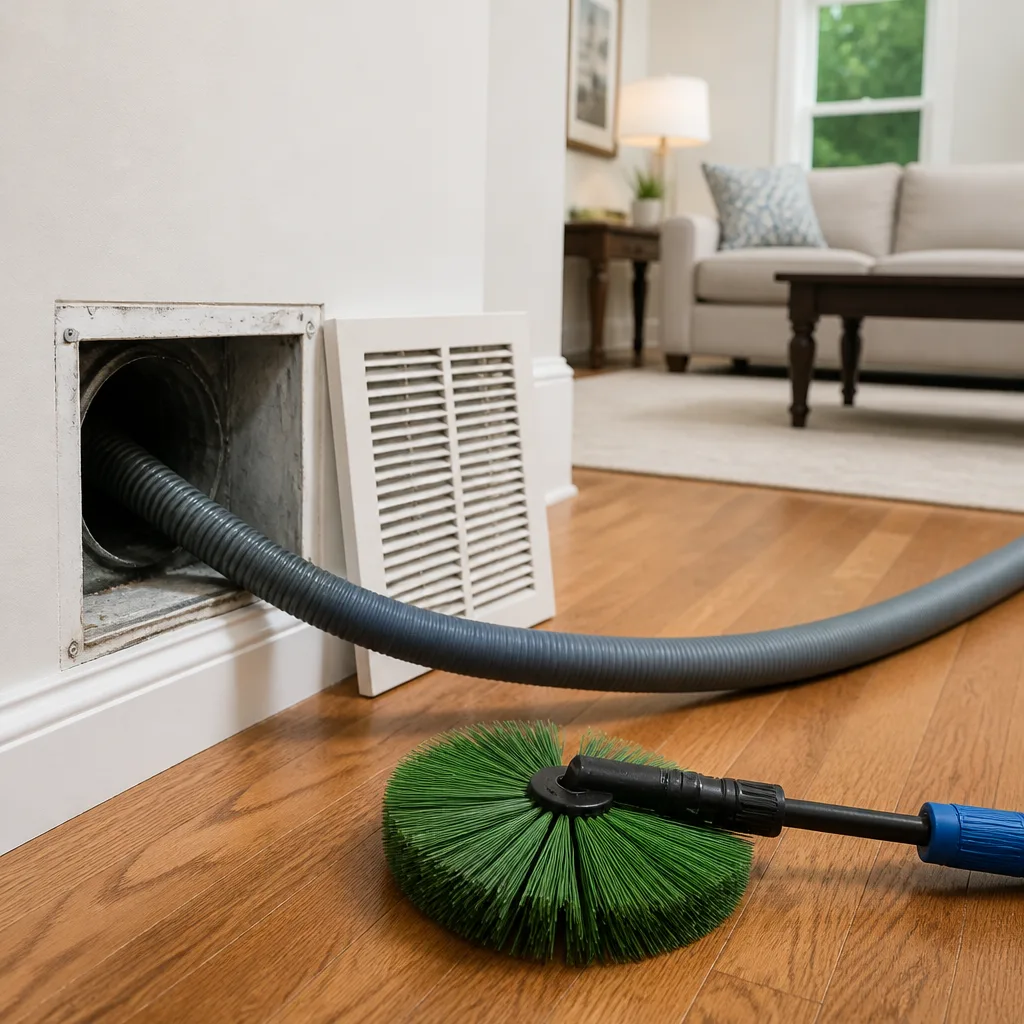 Whole-home duct cleaning
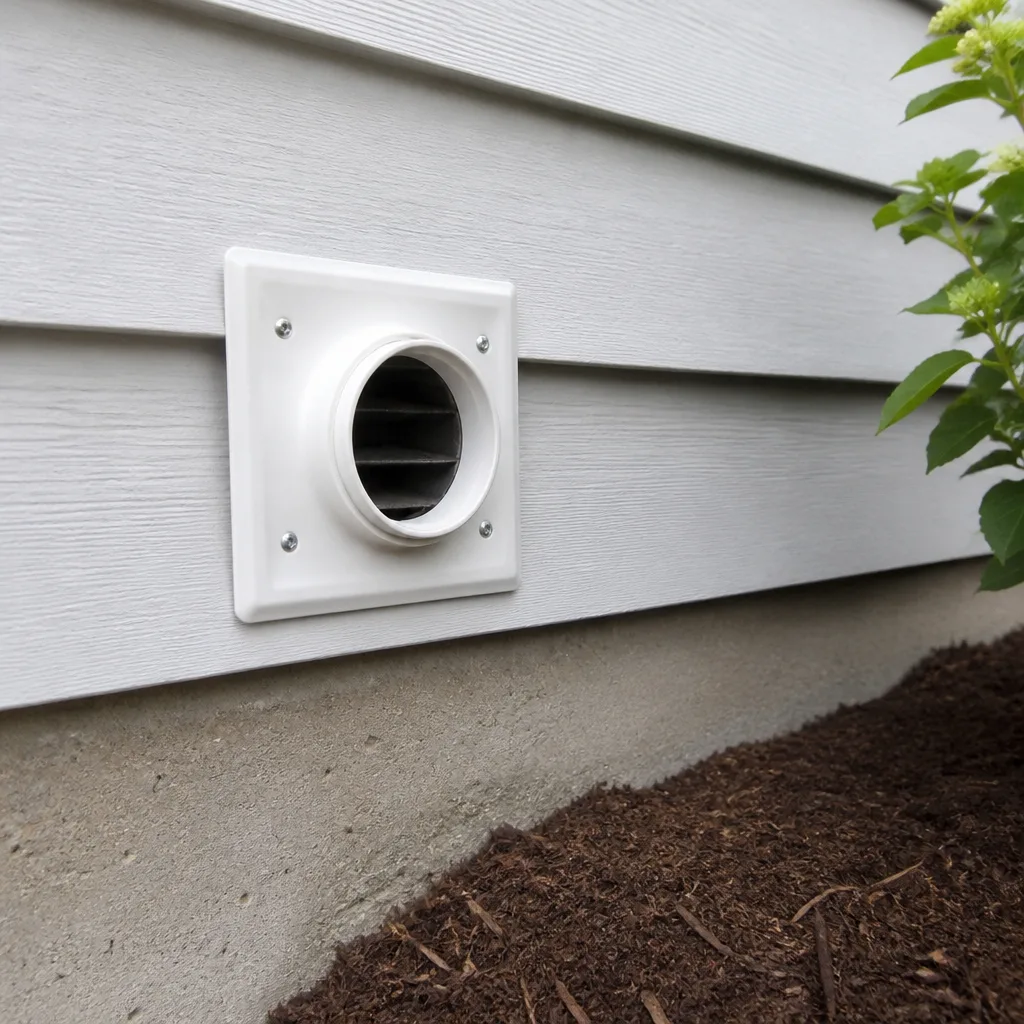 Dryer vent cleaning
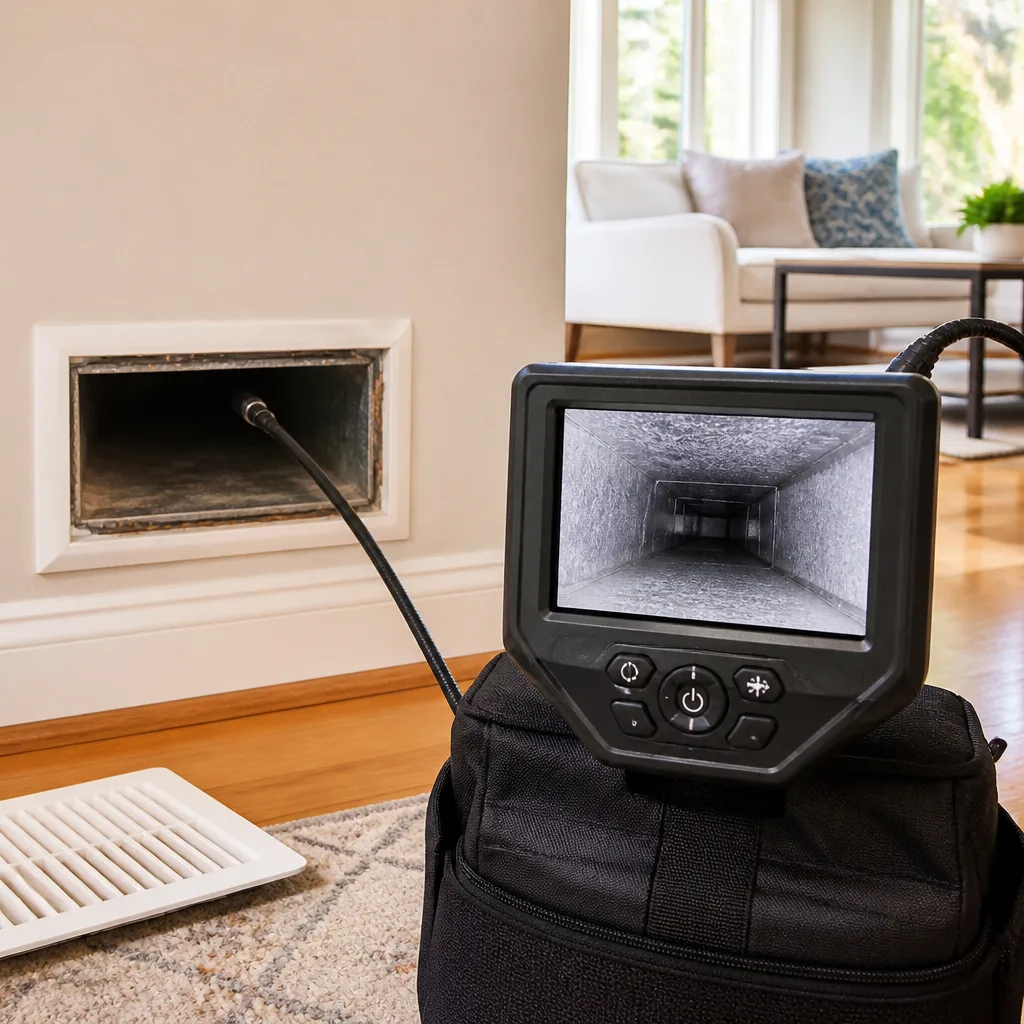 Camera inspection
 Sanitizing & deodorizing
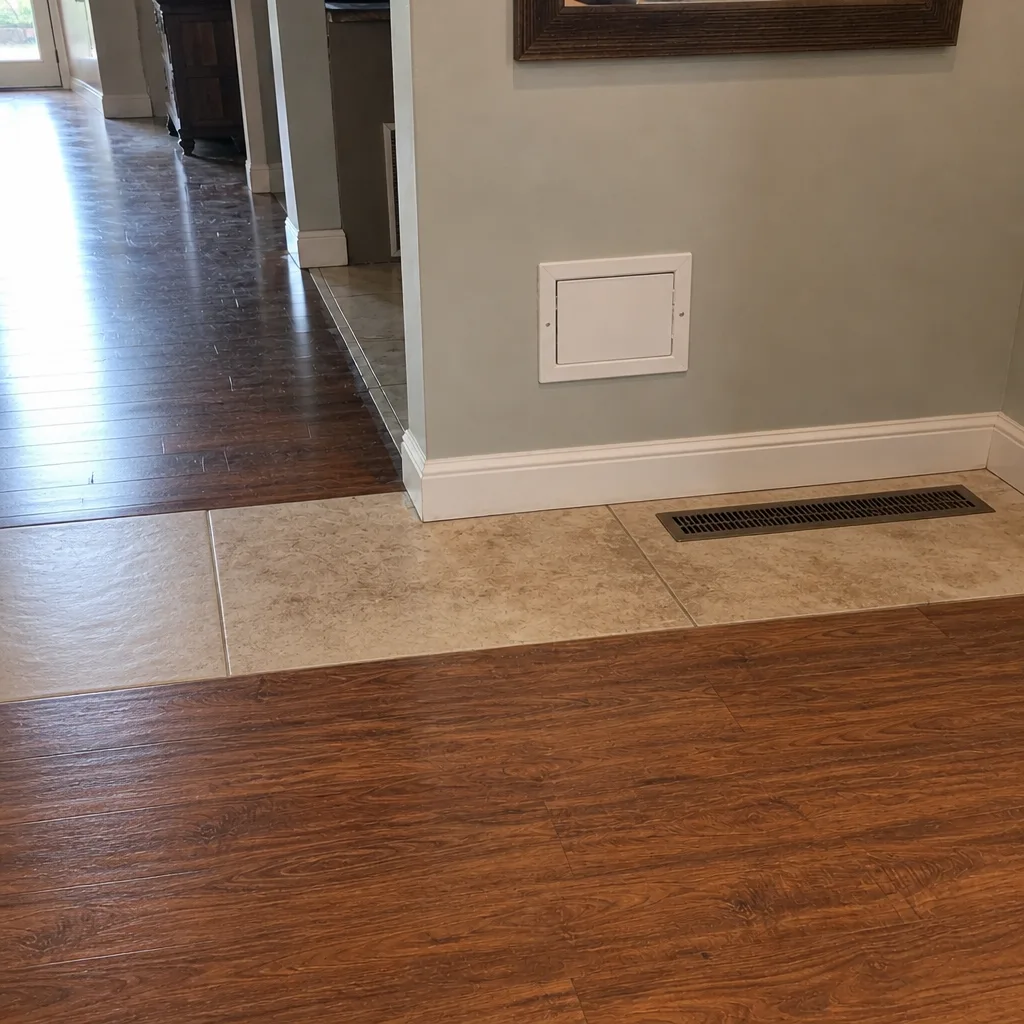
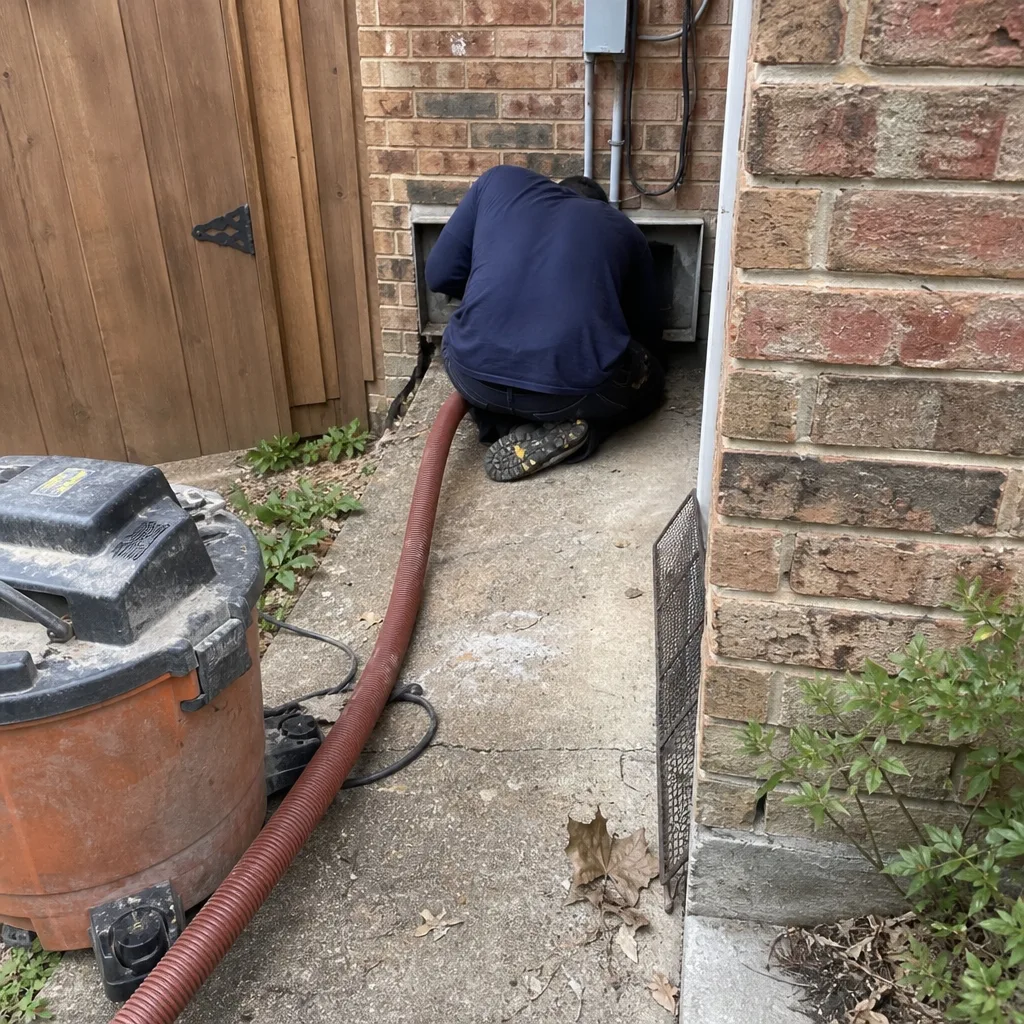
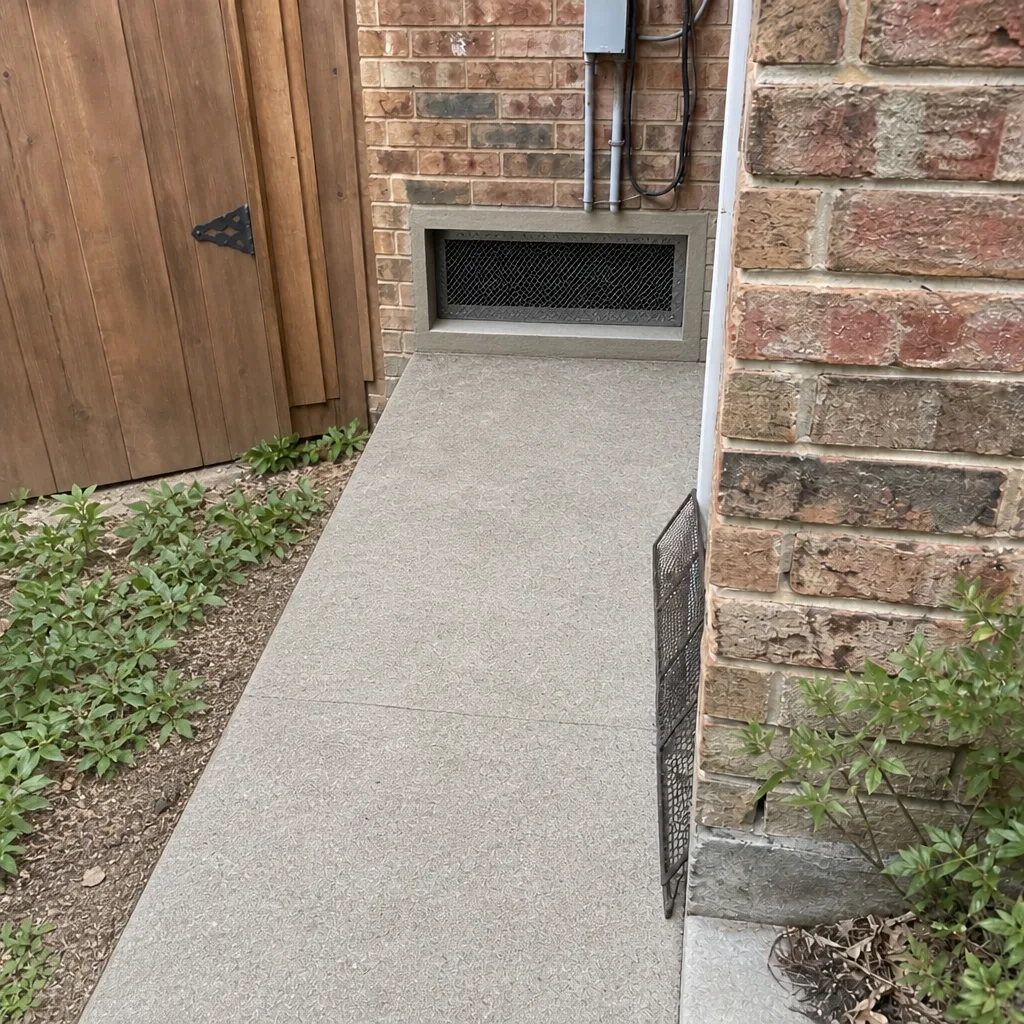
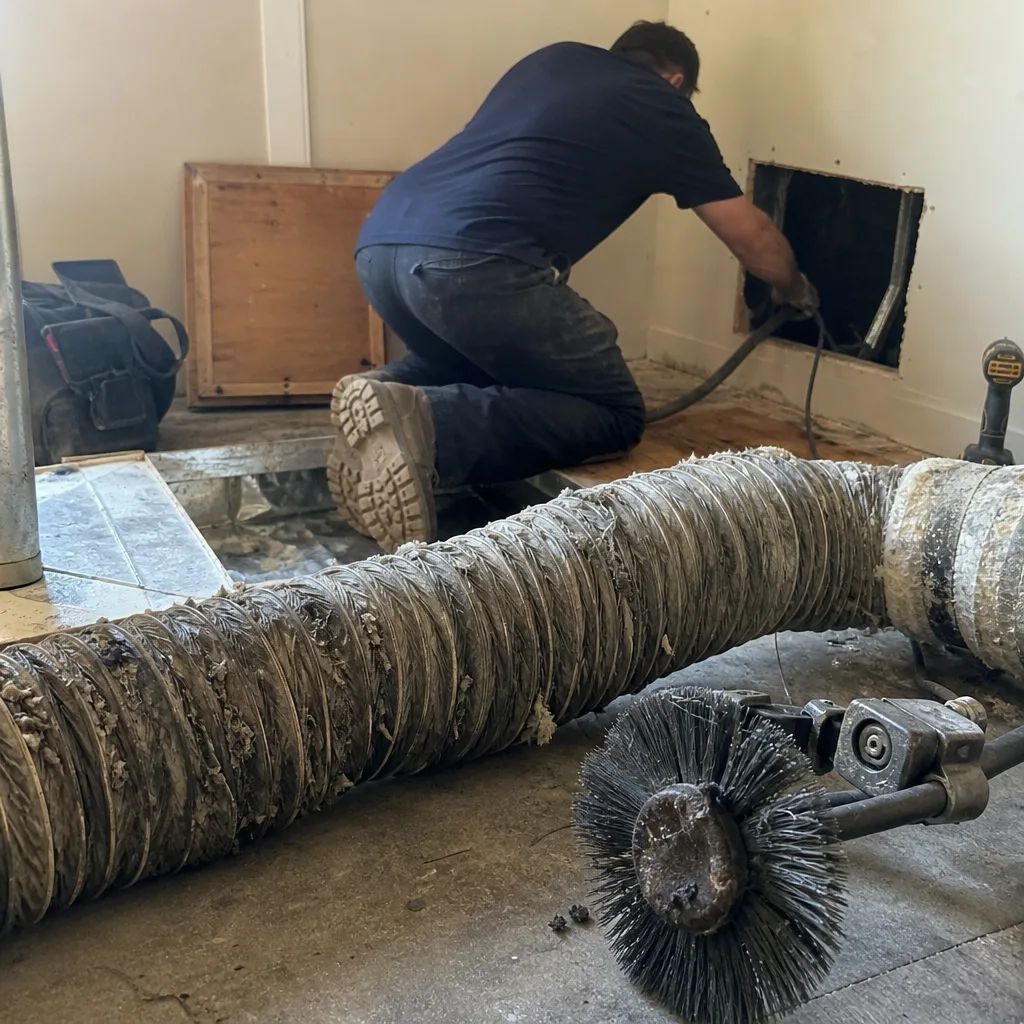
Whole-system duct and dryer vent check with before-and-after photos - you see exactly what came out of your vents
That "$99 whole-house special" is a bait ad - the real number appears once they are in your hallway, or the "clean" is a shop-vac at the register. We photograph the inside of your ducts before and after instead.
Air Duct Cleaning Maintenance Checklist for Arlington Homeowners
The usual advice says change your filter every 90 days and book a duct cleaning every three to five years. That schedule ignores the variables that actually decide how fast your ducts load up: the age of your house, how long your system runs each day, whether you have pets, and whether an Arlington spring pollen season just pushed a heavy load through your return vents. A maintenance checklist isn’t a cleaning calendar. It’s a monitoring system, and this guide gives you specific things to look at month by month, what each finding means, and what to document before you ever pick up the phone.
Styles & brands we work with
- Whole-home duct cleaning
- Dryer vent cleaning
- Camera inspection
- Sanitizing & deodorizing
Quick Answer
A working air duct maintenance checklist for Arlington homeowners combines three habits: a filter-loading log (when you change it and how dirty it came out), a monthly visual pass over supply registers and the condensate drain, and a seasonal inspection tied to local conditions like spring pollen and tornado-season debris. When any checkpoint flips from normal to concerning (a filter that clogs in half the usual time, visible dust rings around registers, rust on metal duct near unconditioned spaces), that’s your signal to get the system looked at rather than just clean the filter again.
Table of Contents
- Why a Monitoring System Beats a Cleaning Schedule
- Your Month-by-Month Observation Log
- Tracking Filter Loading Rate as a System Health Signal
- Checklist Items for Older Arlington Homes
- Seasonal Arlington Checkpoints: Pollen, Storms, and Summer Humidity
- What to Document Before You Call a Contractor
- Common Mistakes to Avoid
- When to Call a Professional
- Frequently Asked Questions
Why a Monitoring System Beats a Cleaning Schedule
A fixed cleaning interval treats every house the same, and no two houses in Arlington are the same. A 1950s ranch near downtown with original metal ductwork and mature trees around it collects debris at a different rate than a newer build out toward the south with a tight envelope and a high-efficiency system. A household with two dogs and a homeowner who runs the fan continuously will load a filter far faster than a retired couple who cycles the system a few hours a day. The calendar doesn’t know any of that. Your observations do.
Monitoring also catches the problems that cleaning alone can’t fix. Dust streaming from a register often comes from a gap or a torn section upstream, not from dirty duct surfaces. If you only ever clean, you clean the symptom and the contamination returns. That’s why a proper checklist watches the structure and the airflow, not just the dust. It tells you the difference between a system that’s dirty and a system that’s failing.
- Dust that returns within weeks usually points to a source: a cracked joint, a disconnected flex run, or a return box pulling air from a crawlspace or attic.
- A filter that loads faster over time suggests either a new debris source or a blower working harder than it should.
- Uneven airflow between rooms can mean a crushed or disconnected duct, not just a dirty one.
- Musty smell when the system starts points to moisture somewhere in the air path, not to surface dust.
The goal is to know your own system’s normal. Once you do, variations stand out immediately, and you can act on them early instead of after a season of breathing the result. When your observations add up to a cleaning or a repair, the right first step is air duct cleaning with a company that also checks the structure while it’s in there.
Your Month-by-Month Observation Log
This is a low-effort pass you can do in about ten minutes. Set a reminder for the same day each month, walk the house with a phone camera in hand, and note what you see. You’re not fixing anything here. You’re gathering evidence over several months so that patterns become obvious.
- Pull the filter and look at its color and texture. New filters are uniform. A used filter shows a gradient from the edges toward the center where air passes through, and the darker the gradient the heavier the load. Note the date and roughly how loaded it looks on a simple scale of light, medium, or heavy.
- Check every supply register for dust rings. A thin line of dust around the perimeter of the grille is normal over time. A distinct ring or a dark halo means air is escaping around the edges, often because the register boot isn’t sealed to the drywall or the duct behind it has pulled loose.
- Look at the return grille for a fuzzy film. Heavy fuzz on the return faceplate that reappears within days of wiping suggests the return duct itself is carrying debris, not just the room.
- Find the condensate drain and confirm it’s clear. If you can see the drain pan or the trap, check for standing water, slime, or discoloration. A slow drain means moisture sitting near the air path, which is where mold indicators start.
- Turn the system on and listen at each register. A register that hisses or whistles is telling you something about pressure, and a room that’s noticeably quieter than it used to be may have a compromised duct.
- Smell the first air when the system kicks on. A dusty smell that fades is typical. A lasting musty or chemical smell belongs in your log.
Do this across a few seasons in Arlington and you’ll have a record that no calendar could produce. That record is what a technician can actually use.
Tracking Filter Loading Rate as a System Health Signal
The number that matters most on your checklist isn’t how often you change the filter. It’s how fast it fills. A filter that normally lasts six weeks but maxes out in three is reporting a change in your duct system: either more debris is entering the airstream or the blower is pulling harder because airflow is restricted somewhere else. Either way, the filter is the messenger, and swapping it and forgetting it throws the message away.
Start a simple log with three columns: date installed, date pulled, and apparent load. After six or eight changes you’ll have a baseline for your house. When the pattern shifts, you’ve caught a drift early. In our experience, a filter loading pattern that suddenly doubles its rate is the single most reliable early signal that a duct issue is developing.
- Even loading across the whole face is normal and healthy.
- Loading concentrated where the air enters the return means the return is pulling a heavy local load, which can come from a nearby source of dust or debris.
- Loading on the edges with a clear center often means the filter doesn’t fit its frame tightly, so air bypasses the filter and the duct catches the debris instead. This is common in older homes around Arlington where the filter rack has been replaced once or twice.
- Very heavy loading on a filter rated for a longer interval is a sign the system needs more than a filter change, and a professional evaluation is worth the call.
A filter log also gives a technician a fast read on the system’s history, which is why we recommend keeping one whether or not you ever have a cleaning done. It costs nothing but a note on the calendar.
Checklist Items for Older Arlington Homes
Houses built in the middle of the last century, which is a large share of what you’ll find in established Arlington neighborhoods, tend to carry duct systems that have had a lot of life. Flex duct connections at the plenum can work loose. Return boxes built from board insulation can lose their inner lining over time. Metal duct that runs through a hot attic can develop surface rust at the seams. None of these show up on a filter log, so they need a separate look.
You don’t have to disassemble anything to check most of it. A flashlight and a careful eye at the accessible points will tell you whether the system needs attention.
- Flex duct at the plenum: Where the run connects to the air handler, look for a gap between the duct collar and the takeoff. If you can see daylight or feel air moving at the joint while the system runs, that’s a leak pulling unfiltered air into the supply.
- Return box insulation: In older homes the return chase is often lined with a foil-faced or paper-faced insulation. If the facing is torn, peeling, or disintegrating, that material can shed into the airstream. Note it and leave it for a professional to address.
- Rust on metal duct near unconditioned spaces: Light surface rust isn’t a crisis. Flaking or pitting means moisture has been present, and moisture plus dust is where contamination starts.
- Tape and mastic at joints: Old cloth tape or dried mastic that’s cracked or hanging loose is a leak. Look at every joint you can reach.
- Ceiling and wall staining near registers: A faint shadow on the drywall above a register can mean condensation or leakage at that boot, which points to a moisture problem worth investigating.
Older systems often have structural problems that cleaning alone won’t solve. That’s a big reason we also offer Paragon Air Duct Cleaning‘s repair side, where we find and fix the gaps and tears that keep feeding the dust.
Seasonal Arlington Checkpoints: Pollen, Storms, and Summer Humidity
Arlington’s seasons hand your duct system three different kinds of stress, and each deserves its own entry on your checklist. Spring brings pollen in volumes that coat outdoor surfaces and get tracked indoors. Tornado season brings wind-driven debris and, for some homes, a real risk of damage to rooftop or attic components. Summer brings the kind of humidity that turns any moisture in the air path into a growth problem. None of these show up on a generic three-to-five-year cleaning calendar.
Spring: pollen load
During heavy pollen weeks, the filter takes a much heavier load than usual. Check it at the halfway point of your normal interval and expect to change it early. Also wipe down return grilles more often during this stretch, since the pollen that settles on the faceplate gets pulled into the system every time it cycles on.
Tornado season: post-storm debris check
After a wind event, walk the exterior of the house and look at the attic vents, the outdoor unit area, and any exterior penetrations. Debris blocking a vent or a torn soffit can let material into the attic and then into duct runs that pass through it. Look inside the attic at the individual duct runs for torn jacketing or displaced sections. If you see anything wrong, don’t wait for the next cleaning. Get it looked at.
Summer: moisture inspection in high-humidity zones
During the humid stretch, check the areas around the air handler and any duct that runs through unconditioned space for condensation, discoloration, or a musty smell. If the insulation on a duct is saturated or the jacketing is compromised, the cold surface will sweat and the moisture becomes a growth environment. A moisture indicator on your checklist should trigger a professional inspection, not a DIY attempt at sealing it.
Fall and winter: the system goes quiet
When the cooling season ends, this is the easiest time to do a full visual pass. Registers are easier to examine, and you can check the entire system once without worrying about being in the middle of a cooling cycle. Use it to reset your filter log and note anything that has to be addressed before the next hot stretch.
What to Document Before You Call a Contractor
The better your notes, the more accurately a technician can scope the job. A call that starts with “my ducts are dirty” and a call that starts with “the filter is loading twice as fast as it used to, and there’s a visible dust ring on three registers in the hallway” lead to different conversations. Document these items before you call.
- Photos of every register, both the faceplate and the duct opening if you can see it. Shoot from a couple of angles.
- Your filter log, even if it’s a few scribbled dates. The pattern is the point.
- Any HVAC error codes on the thermostat or the air handler control board. Photograph the display.
- Notes on airflow: which rooms feel weak, which feel strong, and whether that has changed recently.
- The age and general construction of the house, if you know it, and whether you’ve ever had duct work updated.
- Any visible structural issues you spotted (loose tape, torn insulation, rust, staining) with photos.
- Pets, recent renovations, and whether the house has had a recent inspection flag anything related to air quality or HVAC.
This documentation package is what lets a professional-grade team scope the job correctly the first time. It’s also how you protect yourself against the classic pattern in this industry: a low advertised price that turns into a much larger invoice once the technician is on site. Ask up front for a flat price per system, agreed before any work starts, with before-and-after photos of your own ducts when the job is done. That’s what we quote, and it’s what we deliver.
Common Mistakes to Avoid
- Treating the filter change as the whole checklist. The filter is one data point. A system can have a clean filter and a disconnected duct feeding it debris, and the filter change will never tell you that.
- Assuming a cleaning interval applies to your house. A three-to-five-year rule of thumb is a starting point, not a prescription. Your home’s age, pets, run time, and Arlington’s pollen load all move that number.
- Ignoring the return side. Most homeowners look at supply registers and forget the return grille. That’s where the load actually enters the system, and it’s the first surface to check.
- Choosing a quote by price alone. The cheapest quote is often the one that becomes the most expensive invoice once the technician is on site. Ask for a flat price per system and a clear scope before work begins.
- Not checking structural issues before ordering a cleaning. If the duct has a tear or a disconnected run, cleaning is a temporary fix. Document the structure and address it.
- Skipping the post-storm pass. After a wind event, a torn duct jacket or a displaced run in the attic is easy to miss and easy to catch with a five-minute look.
- Attempting to reseal or repair ductwork yourself. Duct systems interact with the furnace, the blower, and the building’s moisture balance. The right move is to document what you find and call a professional.
When to Call a Professional
Some findings on your checklist are routine. Others should trigger a call to a professional. If your filter is loading twice as fast as its baseline, if you’re seeing visible dust rings around multiple registers, if you can see daylight or feel airflow at a flex duct connection, if the return box insulation is torn or shedding, or if you smell mustiness every time the system starts, it’s time to have the system evaluated. Airflow problems, moisture indicators, and structural issues all point the same direction. Left alone, they compound. Our technicians have up to 12 years of experience and use professional-grade equipment from Rotobrush and Nikro on every job, and we can also work with your insurer if a covered event damages a duct run. If you’re in the Arlington area and your checklist has raised a flag, call us for a free estimate at (844) 787-8766.
Frequently Asked Questions
Most homes in Arlington benefit from a cleaning every three to five years, but that’s a starting point, not a rule. Homes with pets, recent renovations, heavy pollen exposure, or a filter that loads faster than its baseline may need it more often. Your own filter log and monthly observations are a better guide than the calendar. If your checklist shows the same flags repeatedly over several months, call (844) 787-8766 for an exact quote – estimates are free.
Cost depends on the number of systems, accessibility, and whether the job includes repair, and the written estimate sets the final price. We quote one flat price per system before any work begins, never a per-vent figure or a coupon price that grows once the technician is on site. Call (844) 787-8766 for an exact quote – estimates are free and take just a few minutes on the phone.
Cheap quotes often come from companies using entry-level equipment, doing a surface-only pass, or selling a low teaser price that becomes a much larger invoice on site. A proper job uses professional-grade machinery like Rotobrush rotary-brush systems and Nikro vacuum rigs, and includes documentation of what was found. Ask any company for a flat price per system and before-and-after photos of your own ducts. If a quote doesn’t include both, keep looking. Call (844) 787-8766 to see how we scope a job.
You should receive before-and-after photos of your own ducts, not stock images. Beyond that, your post-cleaning filter loading rate is the real proof. If a filter that was maxing out in three weeks now runs a full six, the work made a measurable difference. If nothing changes, the cleaning missed the real source. Call (844) 787-8766 for a free estimate and we’ll walk you through what we’d check on your system.
Not automatically, but you should do the post-storm debris check described above. If you see torn duct jacketing, displaced runs in the attic, or debris that could have entered the system through a damaged vent, get it evaluated before assuming a routine cleaning will fix it. Torn ductwork may need repair as well as cleaning. Call (844) 787-8766 if you’re unsure whether what you found is routine or something more.
Most homes don’t, and a company that recommends an annual cleaning to everyone regardless of the system’s actual condition is following a schedule, not a checklist. Homes with heavy shedder pets, ongoing renovation dust, or a history of moisture problems in the air path may benefit from more frequent service. Let your observations set the interval. Call (844) 787-8766 for a free estimate tailored to your home.
The Bottom Line
A maintenance checklist for your air ducts in Arlington is a monitoring system, not a cleaning calendar. Log your filter loading rate and watch for changes. Do a monthly pass over registers, the return grille, and the condensate drain. Check the structural points that matter most in older homes: flex duct at the plenum, return box insulation, and rust near unconditioned spaces. Add the seasonal entries: pollen load in spring, storm debris after tornado season, moisture in the summer humidity. Document what you find with photos and notes. When the findings point toward a real problem, call a professional with the right equipment and a flat price per system. That’s what makes a checklist work: it tells you when your ducts are trending toward trouble, not after you’re already living inside it.
If you’re ready to have your system evaluated, or your checklist has raised a question you’d like to talk through, reach out. Paragon Air Duct Cleaning also offers dryer vent cleaning as a dedicated safety service, separate from air duct work, and we serve homeowners across Arlington. Call (844) 787-8766 for a free estimate. We answer 24/7. Fast dispatch from 7am to 7pm, Sunday through Friday.
Written by the team at Paragon Air Duct Cleaning.
See the difference
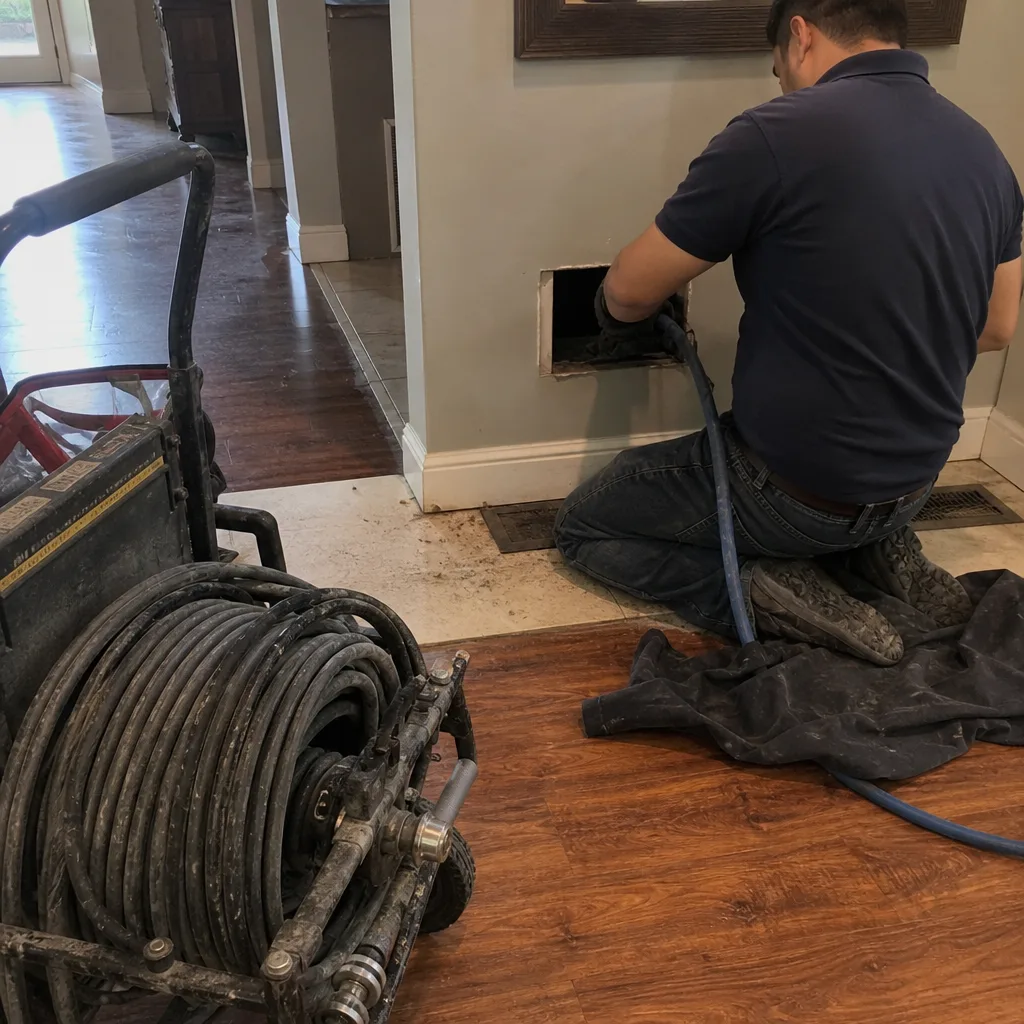 Before
 After
 Before
 After
 Before
 After