
Last updated November 15, 2026
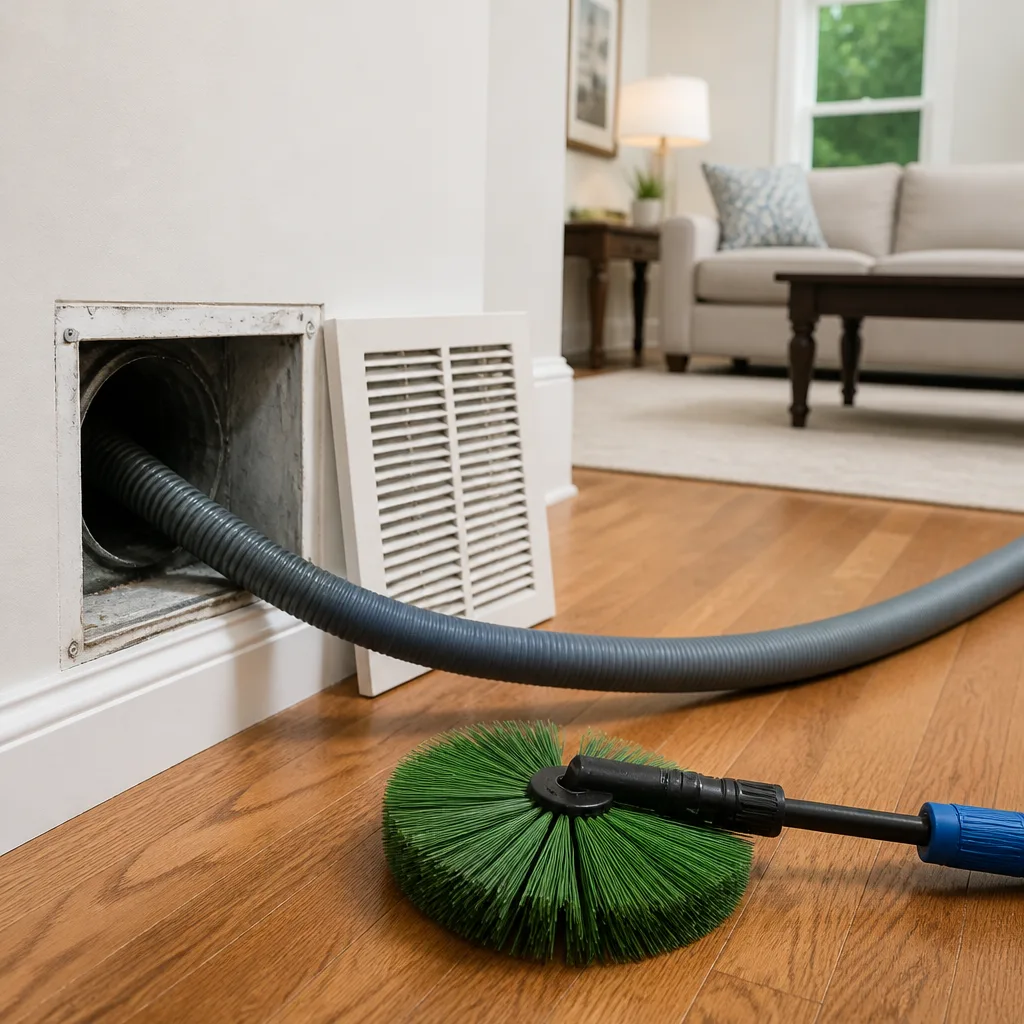 Whole-home duct cleaning
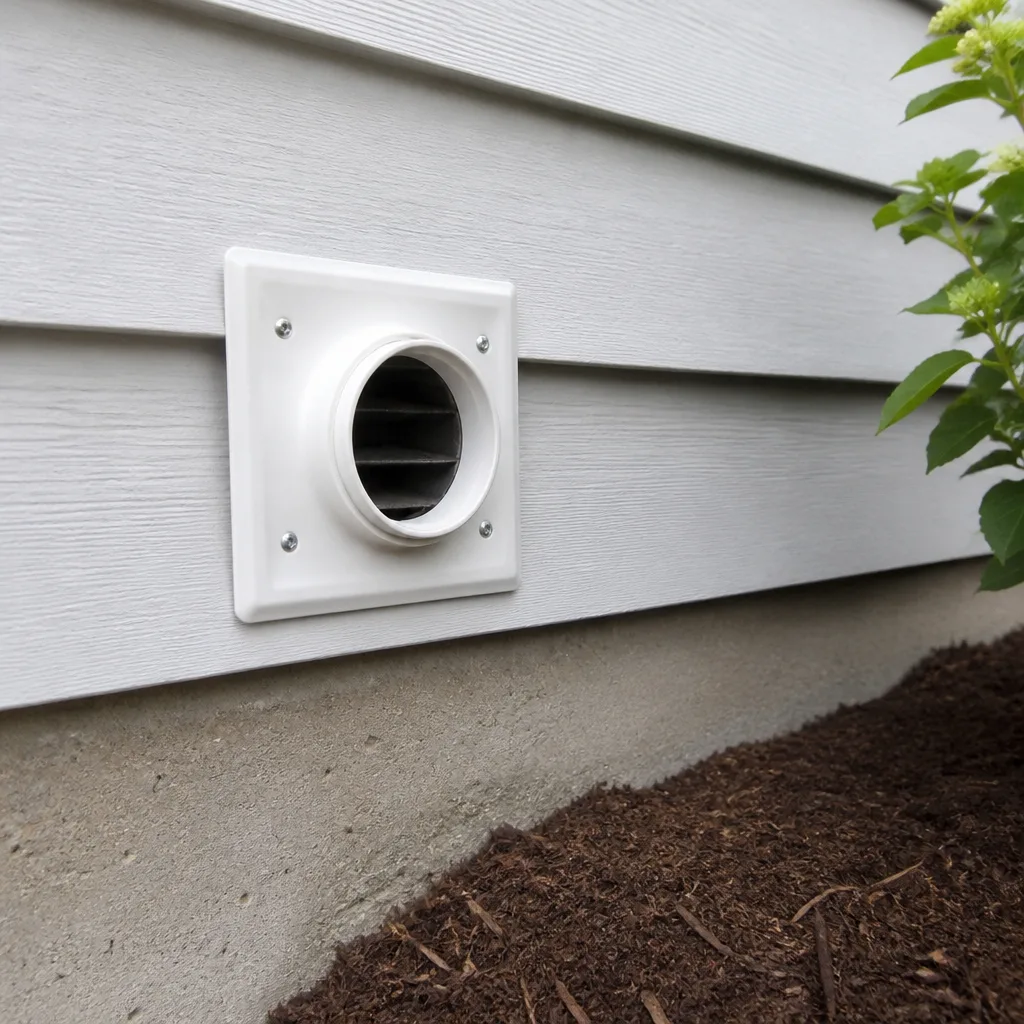 Dryer vent cleaning
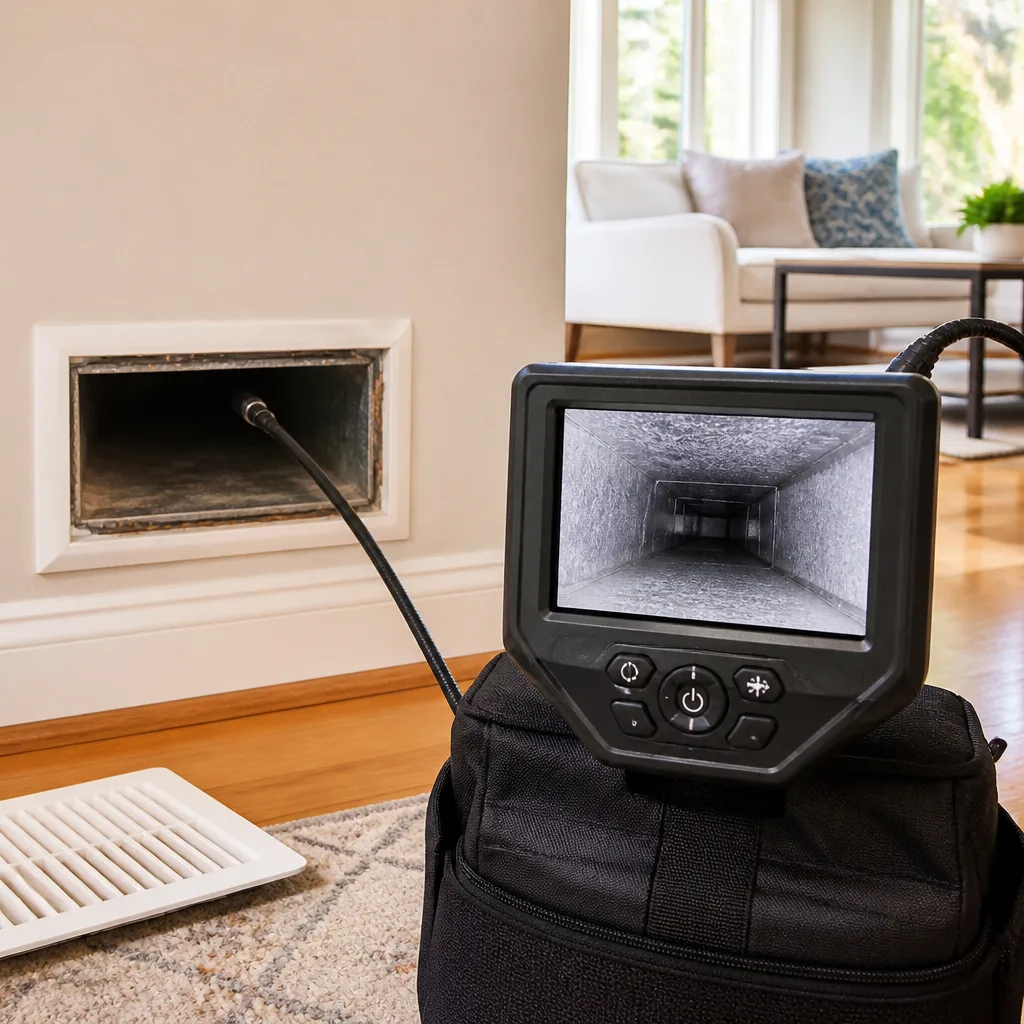 Camera inspection
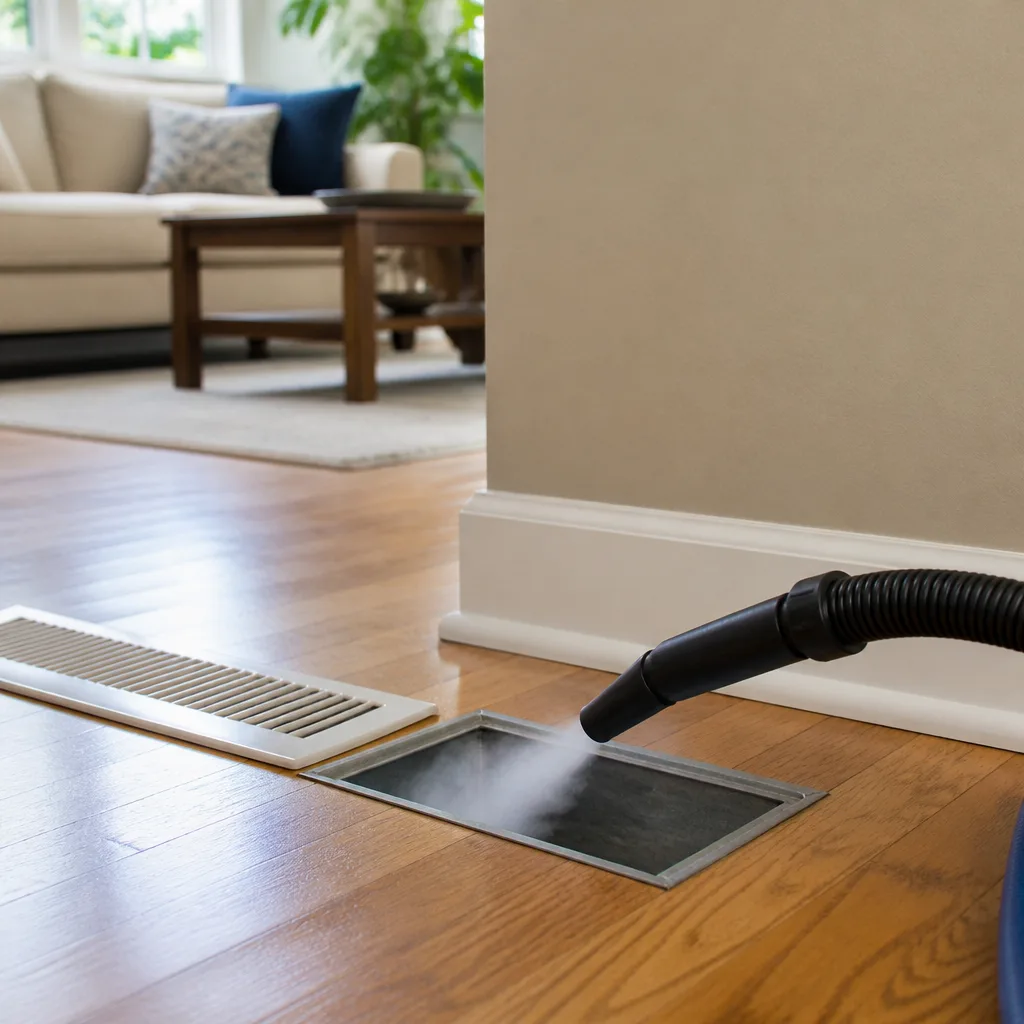 Sanitizing & deodorizing
Whole-system duct and dryer vent check with before-and-after photos - you see exactly what came out of your vents
That "$99 whole-house special" is a bait ad - the real number appears once they are in your hallway, or the "clean" is a shop-vac at the register. We photograph the inside of your ducts before and after instead.
DIY vs Professional Air Duct Cleaning: The Arlington Homeowner’s Decision Guide
Most homeowners assume the gap between a shop vac and a professional duct cleaning comes down to power. It’s actually a question of physics. A consumer-grade wet/dry vacuum moves somewhere in the range of 60 to 80 cubic feet per minute of airflow. The extraction systems used for source-removal duct cleaning move thousands of cubic feet per minute, and that number matters because debris only travels toward a collection point when the pressure differential across the whole duct run is strong enough to carry it. Without that, you’re not cleaning the system. You’re moving dust from one section to another and calling it done. This guide walks through exactly where the equipment gap sits, what DIY genuinely accomplishes, what it can make worse, and how to decide what your Arlington home actually needs.
Quick Answer
Professional air duct cleaning outperforms DIY because only professional extraction equipment can create the sustained negative pressure required to pull debris out of a full duct system rather than redistribute it. DIY work is useful for register covers, the first foot or so of duct behind a register, and filter changes, but it cannot clean the trunk lines or the interior of the system where contamination accumulates. For most Arlington homes with visible dust patterns, allergy symptoms, or a system that hasn’t been cleaned in years, a professional job is the right call. For maintenance between cleanings, DIY is exactly the right tool.
Styles & brands we work with
- Whole-home duct cleaning
- Dryer vent cleaning
- Camera inspection
- Sanitizing & deodorizing
Table of Contents
- Why Negative Pressure Is the Whole Ballgame
- The Equipment Gap, Explained Without Jargon
- What DIY Air Duct Cleaning Actually Accomplishes
- Where DIY Can Make Things Worse
- Arlington Climate, Housing, and Duct Contamination
- When DIY Is the Right Call
- What to Tell a Contractor About DIY Work You’ve Done
- The Five-Question Decision Framework
Why Negative Pressure Is the Whole Ballgame
Duct cleaning works on a principle you already understand from experience, even if you’ve never named it. When you open a window on a windy day, air rushes toward the opening because pressure on the other side is lower. Air and the particles suspended in it always move from high pressure to low pressure. In a duct system, that movement is what carries contamination out of the trunk lines and into a collection point where it can be trapped.
For that to happen, the extraction equipment has to do two things at once. First, it has to generate airflow strong enough to overcome the friction of the duct walls, the resistance of the bends and turns, and the weight of settled debris. Second, it has to maintain that airflow continuously while a technician works the length of the system with an agitation tool. Rotary brushes break debris loose from the duct walls. The extraction system has to be pulling hard enough to capture that loosened material before it settles again somewhere downstream.
A portable shop vac connected to a single register achieves neither. It can pull debris from the immediate duct opening, but the pressure differential decays quickly. By the time you’re a few feet in, airflow is barely moving. And once the vacuum canister fills, or the filter clogs, the negative pressure drops further. You end up with a cycle where debris loosens, drifts, and settles back on the duct floor. In our experience, that’s the most common reason a DIY attempt looks effective at the register and does nothing for the rest of the system.
Professional extraction isn’t a bigger version of the same approach. It’s a different approach. High-volume vacuum units connect to the main trunk, usually through a purpose-made access point, and establish a pressure differential across the entire run. A technician agitates the walls with a rotary brush or air whip from the upstream end while extraction runs at the collection point. Debris has one path: toward the vacuum. When it works right, the duct interior is visibly different afterward, which is exactly why before-and-after photos of your own ducts are the proof to ask for.
The Equipment Gap, Explained Without Jargon
The physical difference between DIY vacuuming and professional duct cleaning comes down to a handful of measurable properties. Here’s the honest comparison, without a sales pitch.
- Airflow volume: consumer wet/dry vacuums move roughly 60 to 80 cubic feet per minute. Professional extraction systems used in source-removal cleaning move thousands of cubic feet per minute, a difference of two orders of magnitude.
- Agitation: DIY tools agitate what you can reach by hand through a register opening. Professional rotary-brush systems, like those from Rotobrush, are purpose-built to work the full length of a duct run, following its bends and turns without damaging the lining.
- Filtration and containment: shop vac filters are designed for woodworking and garage cleanup. Professional vacuum rigs, including Nikro high-powered units and Abatement Technologies equipment used in contamination scenarios, pair high airflow with fine-particle filtration so captured debris stays captured.
- Access: professionals cut and reseal access points at the trunk lines where contamination concentrates. DIY work relies on the register openings only, which are the smallest, most remote access points in the entire system.
- Verification: a professional job is documented. Before-and-after photos show what the ducts looked like at the start and finish, including the interior of the trunk line. That’s a degree of accountability a homeowner cannot produce on their own.
None of this is an argument that DIY work is bad. It’s an argument that DIY work and professional work operate on different parts of the same problem. Understanding that boundary is the entire point of this guide.
What DIY Air Duct Cleaning Actually Accomplishes
Several DIY tasks are genuinely useful, and we’d recommend them to any homeowner in Arlington regardless of whether they ever hire a professional. Treat these as maintenance tasks, not as substitutes for a full cleaning.
- Cleaning register covers. The metal grilles in your floor or wall are the easiest part of the system to keep clean. Remove them, wash them in a sink or outside, dry them fully, and reinstall. This alone reduces the visible dust streaked across the grille, and it prevents that dust from being drawn back into the duct when the system runs.
- Vacuuming the first 12 to 18 inches behind a register. With a crevice tool and a hose extension, you can reach the immediate duct behind the opening. That first foot and a half tends to collect the heaviest debris because it’s the point where airflow slows as it exits the register. Clearing it does help airflow through that register, but only that far.
- Replacing air filters on schedule. Filter replacement is the single highest-impact thing a homeowner can do for indoor air quality. A clean filter protects your air handler, reduces the dust load on the whole system, and gives you a diagnostic signal: a filter that looks heavily loaded within weeks is telling you something is feeding the system with debris.
- Vacuuming return-air grilles and the immediate area around them. Dust collects on and around return grilles faster than you’d expect, and it gets pulled into the system every time the blower runs. Vacuuming the floor or carpet near the return and wiping the grille face is a real improvement.
- Furniture and ductwork adjustment. If a piece of furniture blocks a return grille, the system has to work harder to pull air. Rearranging is free, and it can materially improve system performance and the dust pattern in a room.
None of those tasks clean the trunk lines. None of them remove debris accumulated on the interior walls of the ductwork deep inside the system. They reduce what enters the system and what sits at the very edge of it. That’s why we’ve always framed DIY duct work as maintenance rather than cleaning.
Where DIY Can Make Things Worse
A few internet-famous techniques for “cleaning” ductwork are actively counterproductive. The most common is blowing compressed air into a register to force debris out. What actually happens is the opposite of cleaning. Pressurized air pushes accumulated debris deeper into the system, past the register branch and into the trunk line where it joins the main contamination load. It also aerosolizes fine particulate into the room where you’re breathing it. Once that material is in the trunk line, it’s harder and more expensive to extract than if it had never been disturbed.
The second counterproductive technique is wet-vacuuming a duct run without proper containment. Water and dust create mud against the duct lining, which then dries into a crust that adheres to the wall and requires more aggressive agitation to remove. In flex duct, the wet dust can stain the inner liner and reduce its smoothness, which permanently increases friction in that run.
A third, more recent problem is flexible consumer “duct brushes” sold online. These attach to a drill and let a homeowner spin a brush inside a duct from the register opening. On flex duct, they can catch the inner liner, tear it, or strip the first several feet of the lining. A torn inner liner means every subsequent airflow cycle carries insulation particles into the living space. Duct repair is a real service because this kind of damage happens, and it’s one of the more common reasons we get called after a homeowner has tried a DIY brush system on flex duct.
None of this is a warning against touching your ductwork at all. It’s a warning against the specific approaches that cause damage deep in a system you can’t see. Surface cleaning at the register is fine. Anything that forces air or moisture into the system is not.
Arlington Climate, Housing, and Duct Contamination
Arlington’s climate creates a specific pattern of duct contamination that’s worth understanding before you decide on DIY versus professional work. The long, hot stretch from late spring through early fall means HVAC systems here run almost continuously for months. Continuous operation produces a steady, sustained airflow through the ducts, and that airflow carries fine dust, pollen, and construction debris that enters the return side of the system and settles throughout the duct network.
The other part of the picture is the housing stock. Much of Arlington’s residential inventory includes homes built across several building booms, from older neighborhoods near downtown to newer subdivisions on the edges of town. Each era of construction carries its own duct patterns. Older homes often have rigid metal ductwork that has accumulated decades of dust along the runs, and occasionally has loose joints where contamination seeps out. Newer homes often use flex duct, which is efficient and quiet but has a corrugated inner lining that traps debris more readily than smooth metal.
Arlington’s mix of summer heat and intense pollen seasons means filters load faster than they would in a cooler, less vegetated climate. That’s a signal a homeowner can watch. If you’re replacing your filter every few weeks during summer and it looks heavily loaded, the system is moving more debris than it should, and the source is somewhere upstream. That’s the pattern that pushes most Arlington homeowners from DIY maintenance into a professional cleaning call.
The other factor here is the slab-foundation, single-story housing style common across much of Arlington. Duct runs in these homes often travel through the attic or under the slab, which means access for inspection and cleaning requires going to where the trunk lines actually are. That’s a professional task with professional equipment. Even a motivated homeowner can’t reach an attic trunk line safely with a shop vac.
When DIY Is the Right Call
DIY maintenance fits naturally into several clear scenarios. Here’s when a homeowner’s time is honestly well spent on the ducts without professional help.
- Post-construction cleaning of registers. If you’ve just had drywall work, painting, or remodeling done, the register covers will be covered in construction dust. Removing and washing them, then vacuuming the first few inches behind each one, prevents that dust from being drawn into the system the first time the HVAC runs.
- Between professional cleanings. Regular register and return-grille maintenance keeps the surface layer of dust in check and extends the effective interval between full cleanings. This is the right DIY job for any Arlington home.
- Filter monitoring as a system health indicator. Filter condition and replacement timing tell you what’s going on in the system. If filters load fast, it’s a sign of debris upstream. If they stay clean for months, your system is being fed relatively clean air.
- Around furniture and returns. Unblocking return grilles and keeping the immediate area clear is free, effective, and often overlooked.
When DIY is the right call, it’s because you’re working at the surface edge of the system, not trying to clean the interior of it. Save the interior work for the equipment that can actually reach it.
What to Tell a Contractor About DIY Work You’ve Done
If you’ve previously tried to clean the ducts yourself, tell the contractor before the job starts. This isn’t a confession. It’s diagnostic information, and it changes how a proper job is approached.
Specifically, tell them if you’ve done any of the following:
- Used compressed air on a register. Compressed air pushes debris deeper into the system, and it changes where the load has settled. A technician needs to know to check the trunk line more thoroughly and look at the branch junctions for displaced debris.
- Wet-vacuumed a duct run. Any moisture introduced into the duct can create a crust on the lining and can damage flex duct. The technician should inspect the interior of the affected run before beginning extraction.
- Tried a consumer rotary brush. Flex duct inner liners fail more easily than most homeowners expect. If a brush has been used, the technician should look for tears or loose liner and plan for possible duct repair.
- Vacuumed the first several inches behind any register. This is harmless, but knowing the access points that were disturbed helps the technician route the cleaning efficiently and check connections for any loosened joints.
- Anything that involved opening a sealed connection or cutting into the ductwork. Any break in the duct perimeter needs to be re-sealed properly, and if a connection was opened, it’s a point of scrutiny during the job.
None of this reflects badly on a homeowner. It reflects a contractor doing the job right, and it’s the kind of question a serious duct cleaning professional will ask anyway. We always ask this on the intake call because the answer determines how we inspect the trunk lines and how we plan the extraction sequence. It’s also why air duct cleaning is not a one-size-fits-all service. Two homes in the same Arlington neighborhood can need very different equipment setups and technique depending on what happened inside those ducts beforehand.
The Five-Question Decision Framework
If you’re not sure whether DIY or professional air duct cleaning is right for your Arlington home, work through these five questions. If you answer yes to two or more, a professional cleaning is the right starting point. If you answer no to all five, DIY maintenance with periodic professional cleaning down the road is a reasonable plan.
1. Are you seeing visible dust patterns or dark streaks at the registers?
A little dust on a register is normal. Dark streaks that fan out from the register, or a black accumulation around the edges of the grille opening, suggest the duct behind it is feeding visible particulate into the room. That material is coming from upstream, and it usually points to a trunk line that needs cleaning.
2. Has anyone in the household had new or worsening allergy symptoms indoors?
Airborne particulate from a contaminated duct system shows up as repeated sneezing, congestion, or throat irritation that improves when away from home and returns shortly after. This is general health observation, not medical advice. If symptoms are persistent, it’s worth talking to a healthcare provider and, separately, looking at the duct system as one possible contributor.
3. Has it been years since the ducts were cleaned, or are you unsure if they ever were?
Many Arlington homes have never had a professional duct cleaning. If the previous homeowners didn’t document it and the ducts have accumulated years of dust, DIY work won’t catch up. The volume of material in the trunk lines exceeds what a homeowner can extract through register openings.
4. Is your HVAC system running harder or moving less air through certain rooms?
Reduced airflow in specific rooms usually has a cause. Sometimes it’s a closed damper or a disconnected flex duct. Sometimes the duct interior has accumulated enough debris to obstruct the cross-section. Both are worth a professional inspection, because the second one is a real airflow problem, not just a cleaning issue.
5. Do you live in an area of Arlington where construction or remodeling is ongoing?
Active remodeling or new construction nearby produces a lot of airborne particulate, and homes with no filter on the return during renovation work often draw construction dust straight into the ducts. A post-construction professional cleaning is one of the most useful services a homeowner can schedule, because it prevents construction debris from settling into the system permanently.
Common Mistakes to Avoid
- Trying to seal off a room while you vacuum one duct run. This creates a pressure imbalance that pushes air into adjacent runs, and the debris you loosened moves into spaces you can’t reach. It’s the opposite of the pressure differential the cleaning relies on.
- Using compressed air anywhere in the system. Compressed air doesn’t push debris out. It pushes it deeper, and it aerates fine dust into the room where your family is breathing. Skip it entirely.
- Vacuuming a flexible duct with a consumer brush attachment. Flex duct inner liners tear easily. Once torn, the duct feeds liner particles into the airstream with every cycle, and that’s a repair job rather than a cleaning job.
- Renting a “duct cleaning” machine that connects to one register at a time. These can create local suction but cannot establish the whole-system negative pressure that is the entire mechanism of the cleaning. It’ll look like it’s working at the register and do nothing for the trunk line.
- Ignoring a filter that loads within weeks. Fast-loading filters are a diagnostic signal, not a nuisance. If you’re replacing filters every few weeks, the system is being fed heavy debris and the source needs to be found.
- Skipping the return side during any inspection. Most contamination enters through the return side, and the return trunk lines are where the bulk of the accumulated debris ends up. If a contractor doesn’t discuss the returns, ask why.
- Assuming a cleaning is enough when the ducts are structurally compromised. Gaps at joints, torn flex liners, and collapsed sections cause the contamination in the first place. Cleaning without repair means re-contamination. This is why we don’t just clean – we repair, and we consider whether the structural side of the system needs attention before we call the job finished.
See the difference
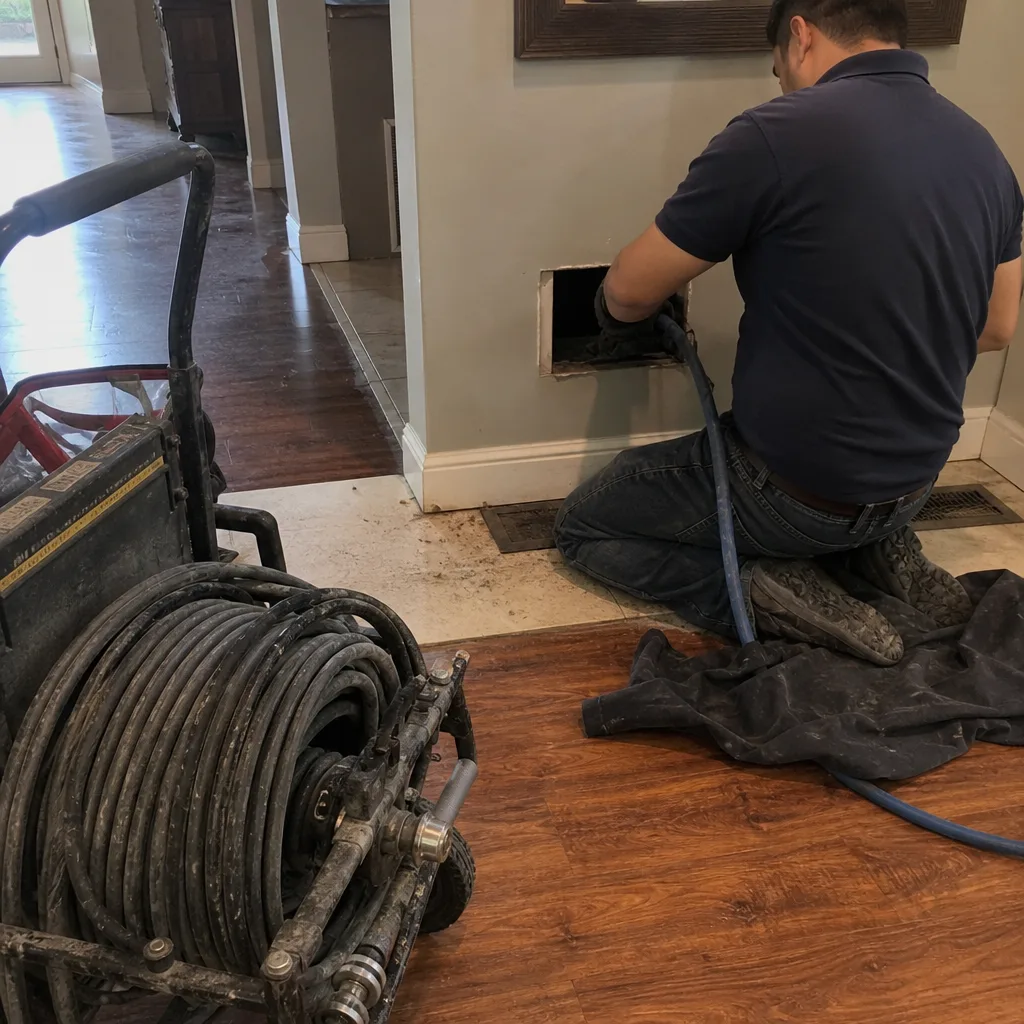 Before
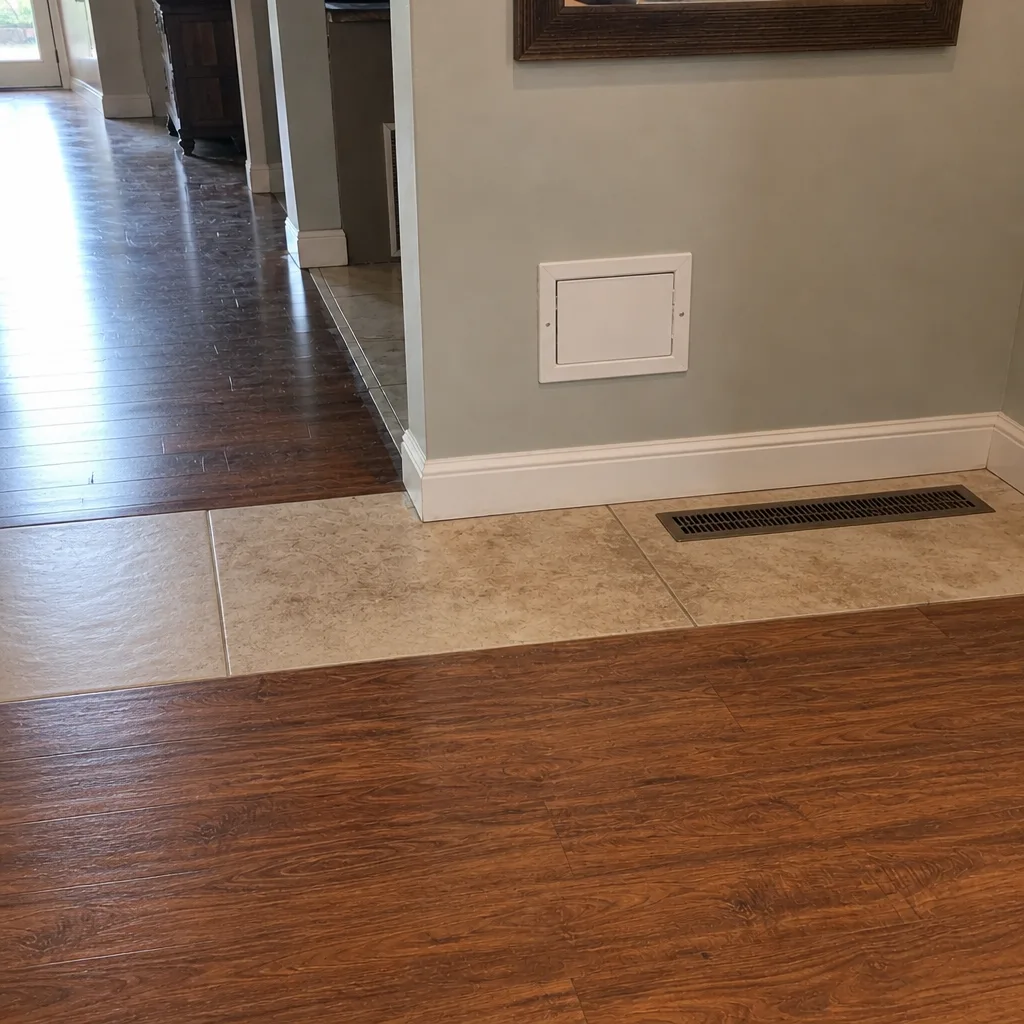 After
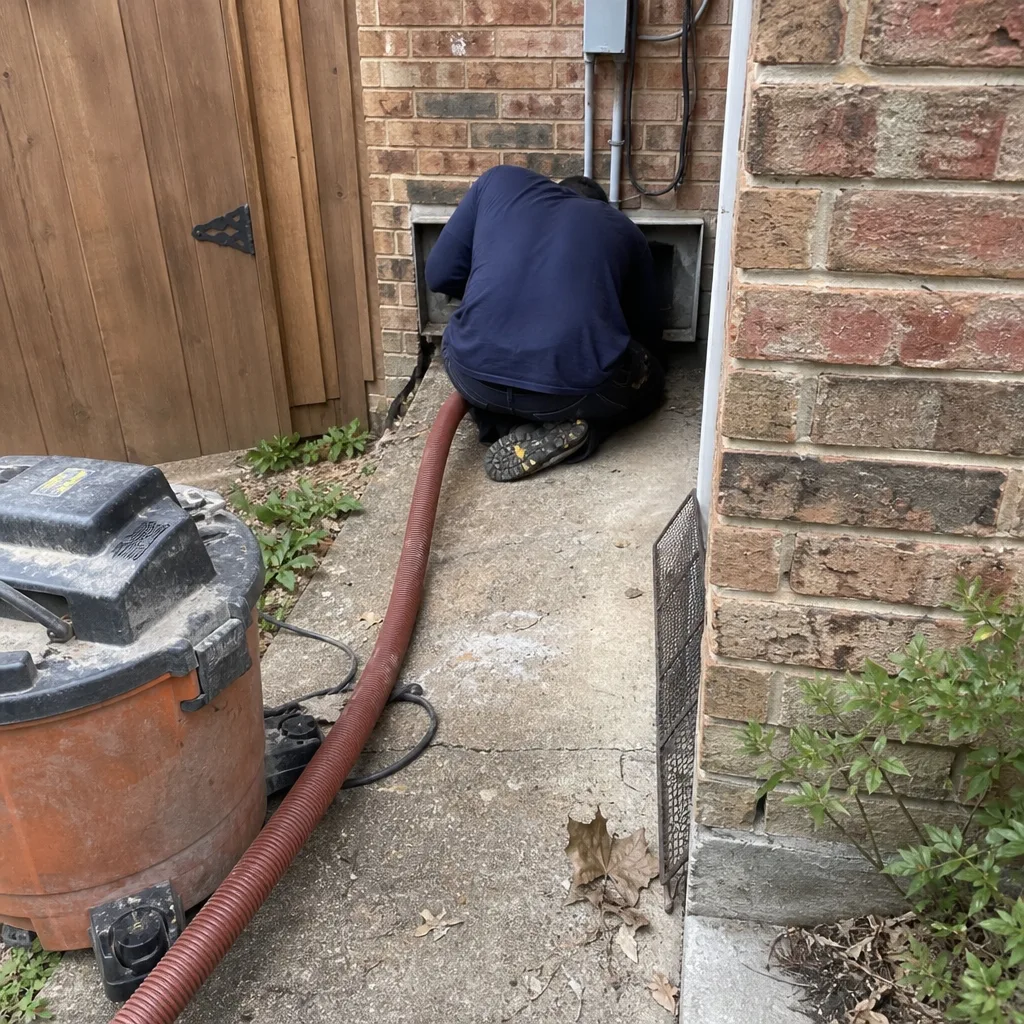 Before
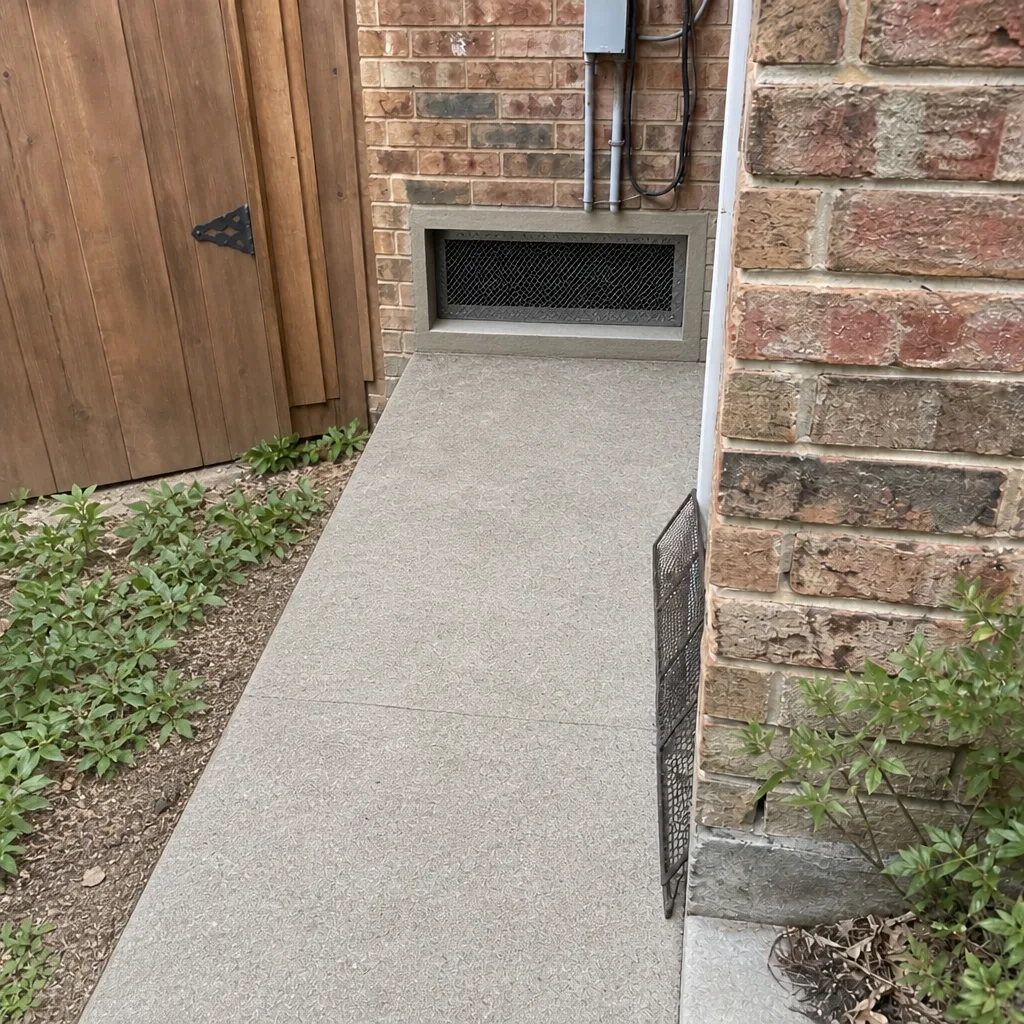 After
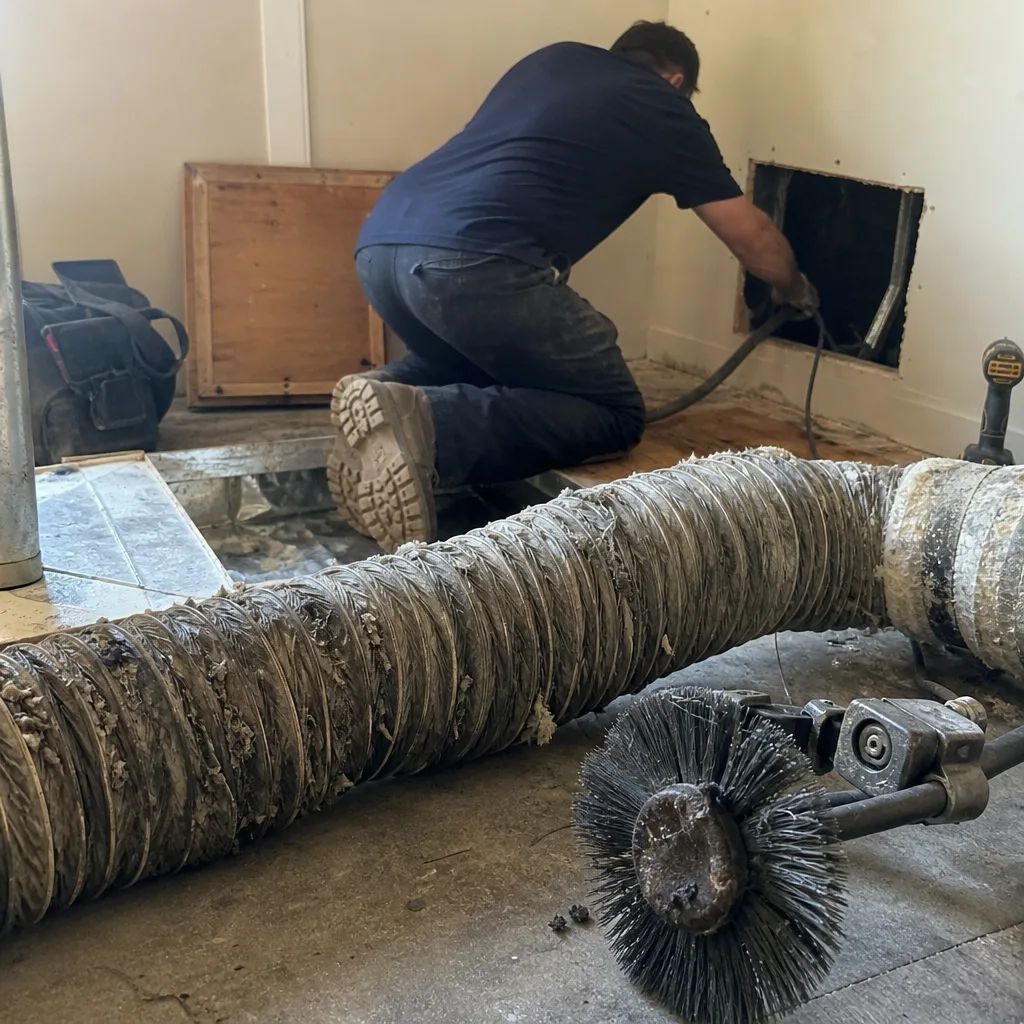 Before
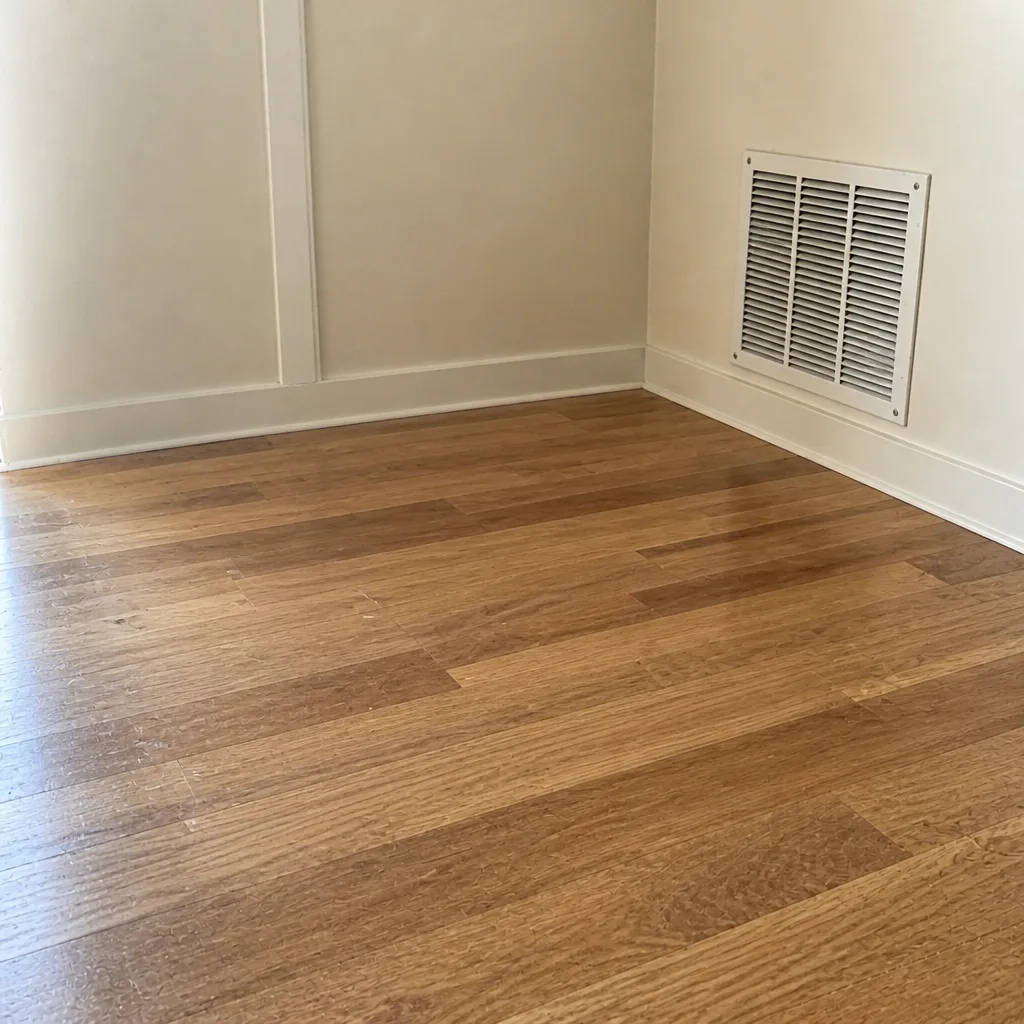 After
When to Call a Professional
Call a professional when the debris load is clearly in the trunk lines rather than at the register, when anyone in the household is reacting to indoor air quality, when the system hasn’t been cleaned in years and you don’t know the history, when you’ve noticed reduced airflow in specific rooms, or when a previous DIY attempt used compressed air or a wet vacuum and you want the system inspected before further use. If you’re in Arlington and any of those apply, Paragon Air Duct Cleaning offers free estimates – call (844) 787-8766 to schedule. We answer 24/7. Fast dispatch from 7am to 7pm, Sunday through Friday.
Frequently Asked Questions
A shop vac can clean the first 12 to 18 inches of duct behind a register and can clean register covers themselves, but it cannot clean the trunk lines or the interior of the duct system. The airflow it generates (typically 60 to 80 cubic feet per minute) is not enough to overcome the resistance of the duct run and carry debris to a collection point. For surface-level cleaning, a shop vac works. For system cleaning, it doesn’t.
Pricing for air duct cleaning in Arlington depends on the layout and size of the system, the number of duct runs, the accessibility of the trunk lines, and whether any repair work is needed. We set one flat price per system and agree it in writing before work starts, so the number doesn’t move once the technician is on site. That’s the honest answer to the bait-and-switch reputation our industry carries. Call (844) 787-8766 for an exact quote – estimates are free.
Cheap quotes almost always reflect a lower scope of work. They often skip the return side, run a rotary brush without extraction, or use portable equipment that cannot pull debris from the trunk lines. The visible result at the register looks the same. The actual cleaning is a fraction of what full source-removal cleaning involves. When you compare quotes, ask specifically whether the return lines are included, whether extraction is continuous throughout the job, and whether before-and-after photos of your own ducts will be provided. Call (844) 787-8766 with questions about scope – estimates are free.
Ask for before-and-after photos of your own ducts, not photos from a marketing brochure. A proper source-removal cleaning produces a visibly different duct interior, and the trunk lines are where the difference shows most clearly. If a contractor can’t produce those images at the end of the job, the job wasn’t properly documented. We provide before-and-after photos as a standard part of every cleaning.
In Arlington’s climate, where HVAC systems run almost year-round and pollen loads are heavy, most homes benefit from a professional cleaning somewhere in the multi-year range depending on filter condition, household activity, and pets. The honest answer is that there’s no single interval that fits every home. A good rule is to watch your filter load. If filters are loading fast and staying loaded, you’re closer to the interval. If they stay clean for months, you have more time.
Yes, in specific cases. Compressed air pushes debris deeper into the system, a wet vacuum can create a crust on the duct lining and stain flex duct, and consumer rotary brushes can tear the inner liner of flex duct, which introduces liner particles into the airstream permanently. Register cleaning and filter maintenance don’t cause damage. Anything that forces air or moisture into the system, or spins a brush inside it, can.
The difference is scale and mechanism, not just power. Professional extraction is designed to establish continuous negative pressure across the entire duct run so debris travels toward a collection point. Consumer equipment can’t achieve that pressure differential, so debris loosens and resettles. The professional systems we use – Rotobrush rotary-brush equipment, Nikro high-powered vacuum rigs, and Abatement Technologies gear for contamination scenarios – are each chosen because they solve a specific part of that physics problem. If you want to see what that looks like side by side, that’s what Paragon Air Duct Cleaning means by professional-grade equipment on every job.
Dryer vent cleaning is a different system with its own risks. Lint accumulation in a dryer vent is an industry-recognized fire hazard, and the vent run often goes through walls or a roof where a homeowner can’t safely inspect or clear it. Surface lint at the dryer connection is fine to clear yourself. The full vent run is a professional job, and it’s one of the services we treat as a standalone safety service rather than an upsell. If you want that checked alongside your ducts, dryer vent cleaning can be scheduled in the same visit.
The Bottom Line
DIY air duct cleaning isn’t ineffective because homeowners lack skill. It’s ineffective because the tools available at retail can’t create the pressure environment required to move debris from deep inside the system to a collection point. DIY work on register covers, the immediate duct behind a register, and filter condition is useful and worth doing. Interior duct cleaning is a professional job that requires professional extraction, professional agitation, and a scope of work that includes the trunk lines and the return side. If you’re in Arlington and unsure which side of that line your home is on, get an inspection and a written estimate before deciding. The right starting point is information, and the estimate is free.
Call (844) 787-8766. We answer 24/7. Fast dispatch from 7am to 7pm, Sunday through Friday. We’re closed on Saturday. Our technicians have up to 12 years of experience, and our approach is built around your air system, not around a coupon.
Written by the team at Paragon Air Duct Cleaning.